Florida, globally known as the “Sunshine State” and one of the world’s top tourist destinations, is facing an unexpected challenge. After several post-pandemic record years, the latest 2026 reports reveal a contraction in visitor numbers. This trend is sounding alarms in both the public and private sectors due to tourism’s massive weight in the state’s economy.
What do recent studies show?
According to data published by Visit Florida, the state’s official tourism marketing agency, tourism experienced a 0.7% drop in the second quarter of 2026 and a cumulative decline of 1.4% during the first half of the year compared to 2025.

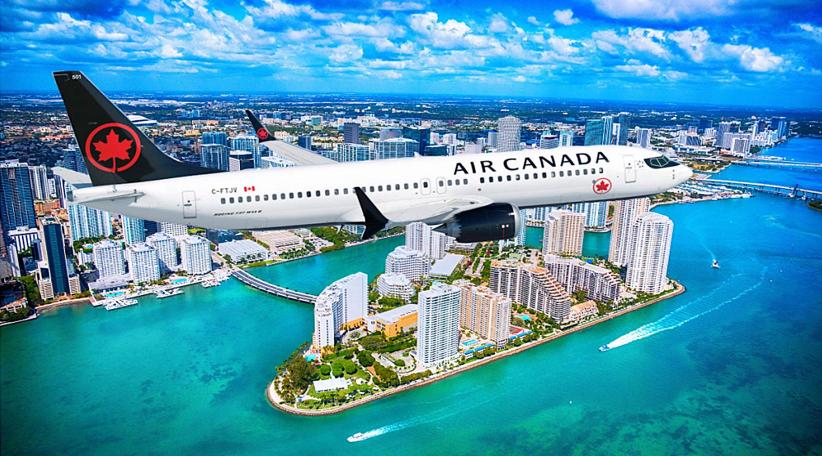
While the total number of visitors remains high—with an estimated 73.5 million people in the first half of 2026—growth has stalled. The most alarming figure comes from international tourism, specifically from Canada. The arrival of Canadian visitors (the famous snowbirds) plummeted 13.9% in the first six months of 2026, a number that hasn’t even recovered to pre-pandemic levels.
Main causes of the decline
Analysts and economists point out that this drop isn’t the result of a single event but rather a combination of macroeconomic and geopolitical factors:
- Trade and political tensions: The most disruptive cause has been the cooling of relations between the United States and Canada. Reports indicate that recent tariff policies, hostile diplomatic rhetoric, and the trade war have led to a drastic shift in Canadian travel preferences.
- Inflation and cost of living: State economists have warned that inflation has outpaced wage growth. Rising prices for flights, lodging, and attractions have forced many domestic tourists to cut their budgets, rely more on credit, or choose more affordable destinations.
- Changes in the international market: In addition to Canada, overseas travel also saw a 3.7% contraction in the second quarter of 2026, affected by the strong dollar and adjustments in air routes.
Consequences for the state’s economy
Tourism is Florida’s main economic driver; historically, visitor spending supports thousands of small and medium-sized businesses. The loss of tourists—especially long-stay visitors like Canadians—has a massive ripple effect.
Recent analyses on the impact of the trade war and the drop in the Canadian market estimate that up to $52 billion has been diverted from the state’s economy. In several coastal counties that rely almost exclusively on winter tourism, hotel occupancy during peak season has fallen by up to 40% compared to historical averages. When tourists don’t arrive, not only do hotels and theme parks suffer; restaurants, retail, private healthcare services, and even the real estate market feel the blow.

The impact on employment
In 2024, tourism directly and indirectly supported about 1.8 million jobs in Florida. With the market contraction, the labor impact has been severe and immediate.
Conservative labor estimates suggest that hundreds of thousands of hospitality-related jobs are at risk. Some specific reports on the winter tourism crisis indicate the loss of around 280,000 jobs directly and indirectly tied to the decline in the international market. These losses extend beyond hotel staff and servers to include:
- Maintenance contractors and cleaning services.
- Real estate agents specializing in vacation rentals.
- Support workers in healthcare and entertainment.
The reduced demand for labor has also led to wage stagnation in the service sector, causing some working-age residents to leave the state in search of better opportunities.

Conclusion
While Florida continues to attract tens of millions of visitors and remains a global tourism powerhouse, the 2026 data serves as a clear reminder of the industry’s vulnerability. The dependence on external factors like international diplomacy and inflation shows that, to protect its jobs and economy, the state will need to find ways to diversify its appeal and rebuild bridges with its most important source markets.
Image ABCMundial.com