The End of an Era? The Truth Behind UPS’s Massive Layoffs
The news has hit like a bucket of cold water across distribution centers from California to Florida: UPS plans to eliminate up to 30,000 operational jobs during 2026. If you work in logistics, are a driver, or simply rely on the stability of shipping giants, this isn’t just another headline—it’s a warning sign about how work is changing in America.
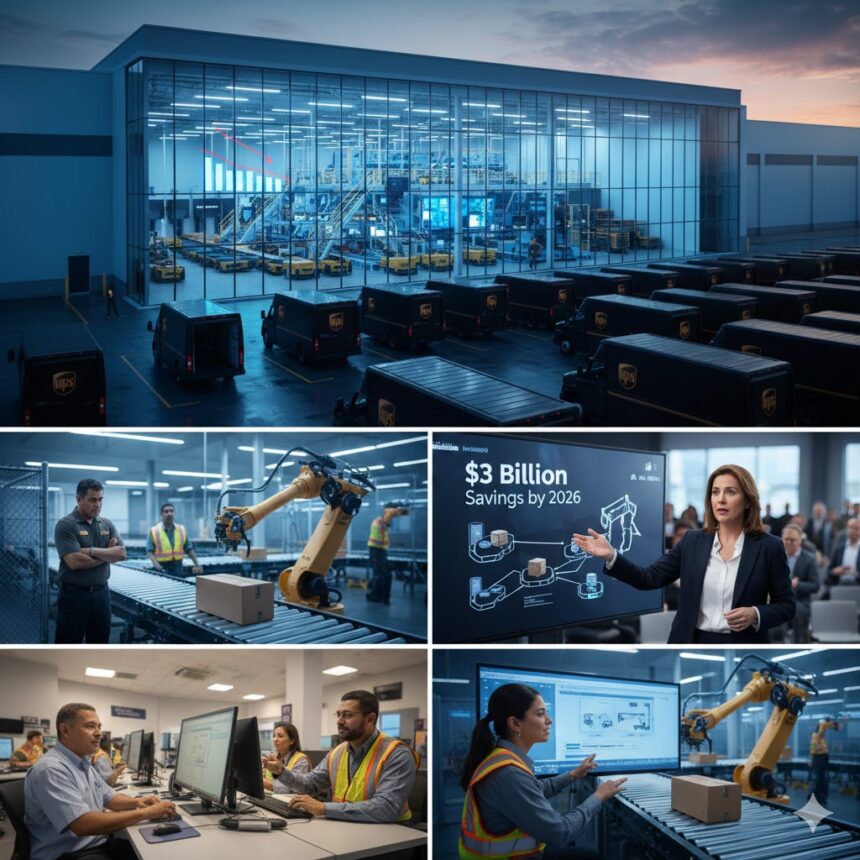
Quick Response (Snippet Bait): UPS confirmed it will cut 30,000 operational jobs in 2026 as part of a strategic restructuring to save $3 billion. The layoffs target full-time drivers and warehouse staff, driven by a 50% reduction in Amazon’s shipping volume and an aggressive push toward automation and artificial intelligence.

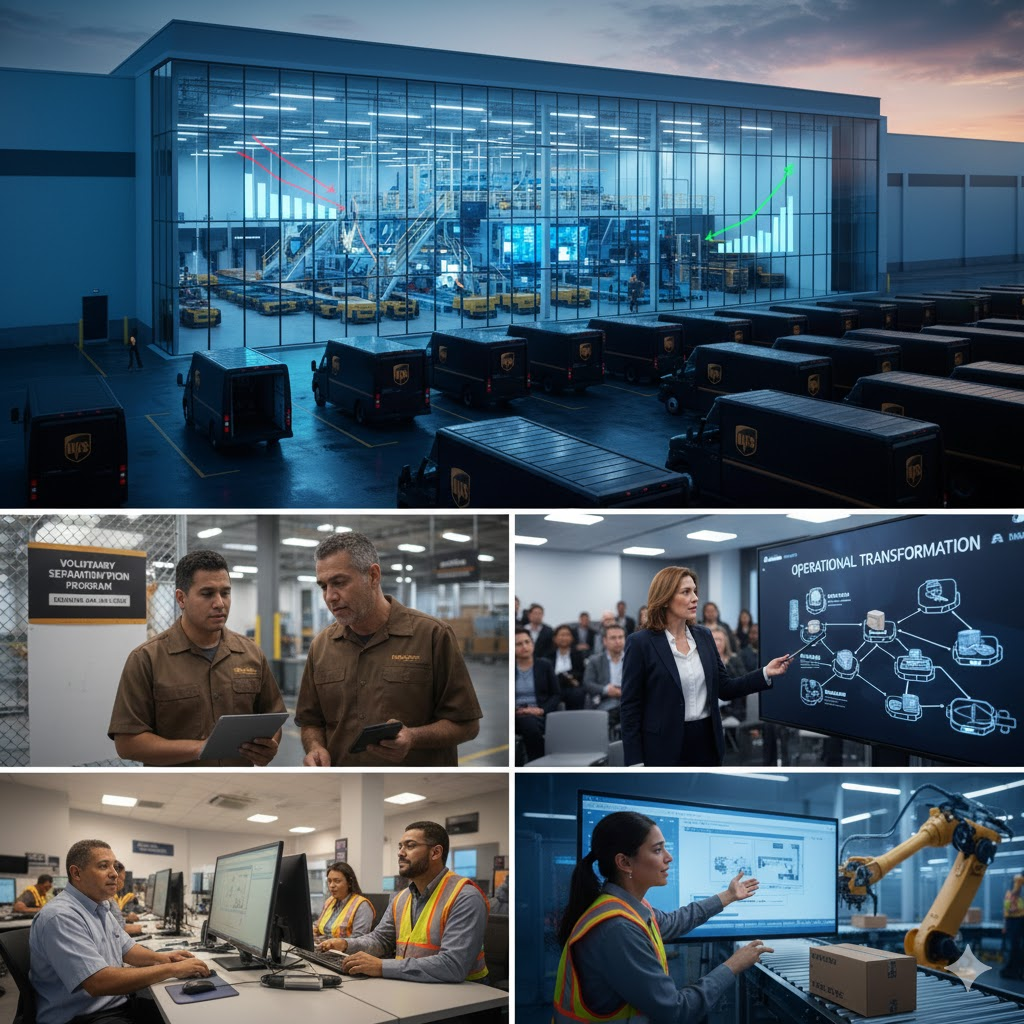
UPS will cut up to 30,000 jobs. Credits: ElHispanoParaTodos/PRESS
UPS will cut up to 30,000 jobs
The 3 Reasons Behind the “Divorce” with Amazon and the Workforce Purge
It’s no secret that Amazon went from UPS’s best customer to its fiercest competitor. But why cut 30,000 jobs now?

- The Amazon “Glide Down”: UPS has decided that shipping Amazon packages is no longer profitable. According to CEO Carol Tomé, Amazon’s volume will drop by another one million packages per day this year. Fewer boxes mean fewer hands needed.
- Obsession with Margins: The company prefers to ship fewer—but more expensive—packages (like medical supplies or technology), eliminating low-cost shipments that once filled its trucks.
- The Robot Invasion: UPS will close 24 facilities in the first half of 2026 to consolidate operations into ultra-automated “hubs” where machines do the work that once required three people.
Who Will Really Be Affected? The Layoff Profile
If you thought only newer employees were at risk, think again. UPS’s strategy for this year is surgical:
- Full-Time Drivers: Voluntary separation programs (buyouts) will be offered. Essentially, they’ll pay you to leave. Is it a good deal? It depends on your years of service and retirement plan.
- Sorting Staff: With facility closures, many warehouse workers will see their jobs disappear or be asked to relocate to distant regional centers.
- Management Roles: Though the bulk of cuts are operational, the ripple effect from 2025 (when 14,000 managers were laid off) continues.
Table: Labor Impact Comparison (2025 vs. 2026)
| Factor | 2025 Situation | 2026 Projection |
| Jobs Eliminated | 48,000 (Total) | 30,000 (Operational) |
| Facilities Closed | 93 buildings | 24+ buildings |
| Relationship with Amazon | Initial reduction | 50% volume cut |
| Exit Method | Direct layoffs | Attrition and contract buyouts |
The “GHOST” Factor: What Official Statements Aren’t Saying
This is where things get serious. The truth is UPS is using this moment to “clean house” of high salaries protected by the Teamsters union. By offering buyouts to veteran drivers, they aim to replace them long-term with automated systems or lower-cost contract workers.
Do we really need AI to manage an entire country’s logistics? Probably not, but for Wall Street shareholders, a robot doesn’t ask for health insurance or paid vacations. The reality is harsh: efficiency is winning the battle against job loyalty.
Advice for Hispanic Workers at UPS or in Logistics
If you see your neighbor’s beard being trimmed… you know what’s next. Here’s a roadmap if you feel your job is on the line:

- Review your union contract: Don’t sign anything without first understanding your seniority rights.
- Evaluate the buyout: If they offer you money to leave, calculate whether that amount covers at least 6 months of transition or affects your future pension.
- Tech-Logistics Certification: Automation isn’t stopping. Learning to operate the systems that control robots is the only job security left today.
- Don’t wait until the last minute: If your distribution center is on the list of 24 closures planned for June, start exploring options with competitors like FedEx, DHL, or even specialized healthcare transport—where UPS is shifting focus.
Image: ElHispanoParaTodos/PRESS