The summer in the United States is increasingly defined by heat waves that are more intense and prolonged. But behind these extreme events lies an atmospheric pattern poorly understood by the public: the heat dome.
This phenomenon, also known as a heat dome, high-pressure block, or even the ridge of death, can raise temperatures between 15 and 30 degrees Fahrenheit above average and lead to deadly consequences.

A heat dome forms when a large area of high atmospheric pressure settles over a region for days or even weeks. This system pushes air downward, and as the air descends, it compresses and heats up. Unlike other weather patterns, the air does not circulate freely, creating a stagnant and increasingly hot air mass over the surface.

Technically, the descending air loses moisture and increases in temperature, creating a cumulative effect. Over days, the heat intensifies due to the lack of cloud cover and rain, and the increasingly dry ground no longer helps cool the environment through evaporation. This combination creates a vicious cycle of heating and drying.
Extreme Heat and Rainfall Shortages
Heat domes can stretch over 1,000 miles, covering large portions of the country. In the eastern United States, temperatures can easily reach 100 °F, while in the west, in desert areas like Nevada, Arizona, or California, thermometers can exceed 110 to 120 °F.
At the same time, the lack of vertical air movement makes storm formation difficult, worsening drought conditions. In agricultural regions, this poses a threat to crops and water supplies. If the heat dome persists for more than a week, the soil can become completely dry, and vegetation may suffer severe damage.

Public Health Impact
According to data from the U.S. National Weather Service, extreme heat is the deadliest weather phenomenon in the country, surpassing even hurricanes or tornadoes. Many of these deaths are directly linked to heat domes.
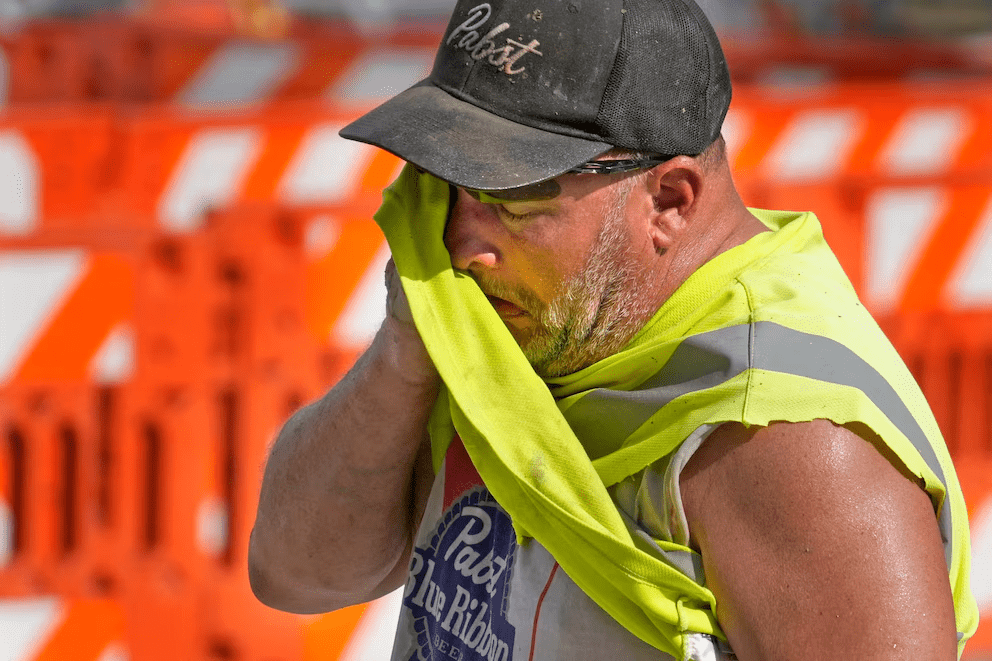
Sustained high temperatures increase the risk of illnesses like heatstroke, dehydration, or heat exhaustion, especially among the elderly, outdoor workers, and those without access to air conditioning. Authorities typically issue health alerts and set up cooling centers in cities during these events.
Lesser-Known Effects
While its impact is usually negative, heat domes also have an unexpected function: they can deflect tropical systems forming in the Gulf of Mexico or the Atlantic. Acting as an atmospheric barrier, they can prevent hurricanes and tropical storms from reaching certain parts of the country.

Another related phenomenon is the so-called ring of fire, a pattern of severe storms that form at the edge of the heat dome. These storms, fueled by accumulated thermal energy, can turn into derechos—strong straight-line wind systems—during June and July.
As climate change advances, experts warn that heat domes could become more frequent, intense, and longer-lasting. Recent research suggests that global warming alters atmospheric circulation patterns, making it easier for these stationary high-pressure systems to form.
Cities most affected in recent years, such as Phoenix, Houston, Dallas, or Las Vegas, are preparing for even more extreme summers. Some initiatives include reflective pavements, urban trees, and community cooling strategies, but the challenges remain enormous.
Image: Infobae