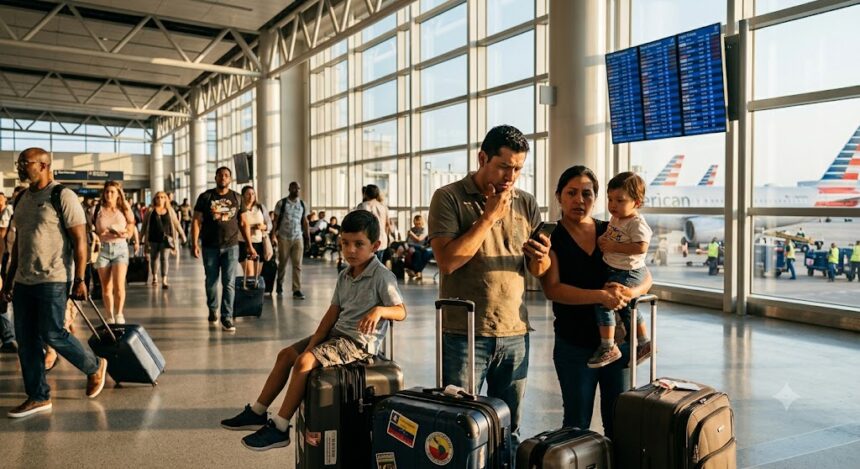
The myth of idyllic and affordable vacations in the United States is crumbling under the weight of your wallet. If you’re planning to take your family to Orlando’s theme parks, stroll through New York City’s avenues, or simply visit relatives in California this year, take a deep breath before checking ticket and hotel prices.
- The Anatomy of the Rip-Off: Why Is Travel So Expensive This Year?
- Breakdown of Expenses: Comparative Table 2025 vs. 2026
- The Domino Effect on the Hispanic Community
- Financial Hacking Guide: How to Travel Without Going Broke
- 1. The Myth of “Tuesday Afternoon” for Buying Flights
- 2. The “Satellite Lodging” Trick
- 3. The Golden Rule of Food: Eat Breakfast Like a Local, Dine from the Supermarket
- Where Is the Tourism Market Headed?
The Hispanic middle class is facing an invisible but relentless financial wall.

According to the latest industry analyses and consumer indicators, vacations in the United States will cost up to 16% more this summer compared to the 2025 season. This increase isn’t just a minor inflation adjustment; it’s an aggressive jump driven by hotel speculation, soaring aviation fuel costs, and those infamous hidden fees or resort fees. Without surgical planning, a one-week trip could end up costing as much as two months’ rent.
The truth is, the tourism industry is trying to squeeze every last cent out of travelers by taking advantage of high demand. But don’t worry: knowing what you’re up against is the first step to avoiding being ripped off.

The Anatomy of the Rip-Off: Why Is Travel So Expensive This Year?
To understand the problem, you need to break down the travel budget. It’s not that everything has gone up uniformly; rather, certain key sectors have become prohibitively expensive. The “revenge tourism” phenomenon—people traveling at all costs after years of lockdowns or restrictions—seems to have given corporations a blank check to set absurd prices.
Is a 16% increase in just twelve months really justified? The short answer is no, but the market allows it because people keep paying with credit cards, racking up debts they’ll be paying off until next year.

Here’s the interesting part. The increase is concentrated in three pillars that destroy any family budget:
1. The Airline Oligopoly and the Cost of Jet Fuel
Airlines have reduced secondary routes and concentrated their flights on major hubs. Fewer available seats mean higher prices. On top of that, basic fares no longer include anything; the trick of charging for carry-on luggage has become so normalized that traveling with a medium-sized suitcase now costs almost as much as the seat itself on low-cost airlines.
2. The Hospitality Bubble: Hotels vs. Airbnb
Traditional hotels have implemented dynamic pricing systems controlled by artificial intelligence algorithms. If occupancy in a city rises by 2%, the room price automatically spikes by 20% that same night. Meanwhile, the once-reliable alternative of renting a vacation apartment is no longer a cost-effective option for users. Between cleaning fees, platform service charges, and ridiculous host rules (like requiring you to wash the sheets before leaving but still charging a $150 maintenance fee), traditional hotels are winning the battle—albeit at luxury prices.

Breakdown of Expenses: Comparative Table 2025 vs. 2026
To see the real impact in dollars and cents, let’s analyze the projected cost of a standard 7-day trip for a family of four (two adults, two children) to popular U.S. destinations.
| Expense Category | Average Cost 2025 | Projected Cost 2026 | Real Impact on Your Wallet |
| Domestic Flights (4 pax) | $1,200 USD | $1,390 USD | Increase in base fares and baggage fees. |
| Lodging (6 nights / 3★ Hotel) | $1,050 USD | $1,240 USD | Mandatory Resort Fees and local taxes. |
| Car Rental + Gas | $450 USD | $530 USD | More expensive mandatory insurance and rising fuel costs. |
| Food (Restaurants + Snacks) | $800 USD | $910 USD | Inflation in the food service sector shows no signs of slowing. |
| Attractions / Park Tickets | $950 USD | $1,080 USD | New mandatory express passes to avoid 3-hour lines. |
| ESTIMATED TOTAL | $4,450 USD | $5,150 USD | +$700 USD net difference. |
“The problem isn’t just the 16% increase on paper. The real danger is the phantom charges. From the Wi-Fi usage tax at the hotel to the suggested 25% tip at fast-food places where you serve yourself water.”
The Domino Effect on the Hispanic Community
This price hike disproportionately affects Latino families. Traditionally, vacations in our community involve multi-family trips or visits to states where our parents, siblings, or uncles and aunts live.
When the cost of vacationing in the United States rises to these levels, families are forced to make drastic decisions. It’s no longer about choosing between one hotel or another; the dilemma now is whether to cancel the trip entirely or drastically cut the length of the stay, turning a much-anticipated two-week vacation into a quick long-weekend visit.
Additionally, family remittances are often affected. If an immigrant worker in the U.S. has to spend 16% more to take their children to see their grandparents in another state during the school break, the extra money they normally send to their countries of origin decreases significantly. Everything is connected.
Financial Hacking Guide: How to Travel Without Going Broke
All is not lost. If you’re determined to travel, you have to play by the same rules as the algorithms trying to take your money. Forget the romantic travel blog advice from the 1990s; today, you need digital savvy.
1. The Myth of “Tuesday Afternoon” for Buying Flights
That no longer works. Airlines use user profiling tools. If you search for the same flight three times from your phone, the price will go up because the system knows you’re in a hurry to buy.
- The Solution: Use incognito mode browsers, clear your browser cookies before paying, or use a VPN to simulate purchasing from a city with lower purchasing power.
2. The “Satellite Lodging” Trick
Staying in downtown Miami or steps from Times Square is financial suicide this year.
- The Solution: Look for hotels that are 20 or 30 minutes away from the tourist area but have direct access to public transportation (train or subway). The savings on lodging can be up to 40%, which more than makes up for the cost of transportation.
3. The Golden Rule of Food: Eat Breakfast Like a Local, Dine from the Supermarket
Eating in restaurants three times a day for a family of four is the fastest way to burn through a thousand dollars in a week.
- The Solution: Choose hotels that include breakfast in the rate. For lunch, look for famous Lunch Specials (midday executive menus). At night, visit local supermarkets like Walmart, Target, or Aldi, where you can buy prepared salads, rotisserie chickens, and fruit for a fraction of what a sit-down restaurant dinner would cost.
Where Is the Tourism Market Headed?
Will prices drop in 2027? It’s unlikely. Economic history shows that once consumers accept paying inflated rates, companies rarely lower prices voluntarily. Only a severe recession or a dramatic drop in occupancy will force the hotel and airline industries to offer real deals.
For now, the trend is clear: travel is becoming a luxury item. The families that manage to keep up the summer vacation tradition will be those who master the art of micro-planning, smart use of credit card points, and, above all, the discipline to avoid spending a single dollar on “tourist experiences” designed solely to empty the pockets of the unsuspecting.
Plan, compare, and above all, don’t let the excitement of vacation cloud your financial judgment. Summer lasts three months; credit card debt stays with you for years.
Image:ElHispanoParaTodos/PRESS