When the evacuation alarm sounds, your pet doesn’t know how to pack. Discover what your survival kit must include and the secrets to avoiding rejection at shelters.
- The Harsh Reality of Evacuating: Why You Can’t Improvise
- Anatomy of a “Level 5” Emergency Kit for Pets
- 1. Survival Rations (Water and Food)
- 2. The Lifesaving Paperwork (Administrative Kit)
- 3. Medical Kit and Operational Logistics
- The Challenge of Shelters: What No One Tells You
- Extraction Tactics: When It’s Time to Flee
You start seeing endless lines at gas stations. The supermarket’s water shelves are empty, and the storm’s projected path on the evening news points straight at your city. Panic is real. You have your plan, your documents, and your flashlights, but as you hurriedly load everything into the car, your dog or cat watches you from the corner of the room, sensing your stress without understanding anything.

The truth is that when hurricane-force winds threaten our coasts, the most vulnerable are those who walk on four legs (or have feathers). We’ve seen too many tragedies in past seasons where families, out of desperation or lack of planning, leave their pets behind thinking, “They’ll be fine alone for a few days.” Spoiler: They won’t.
If you’re ordered to evacuate, they leave with you. Period.
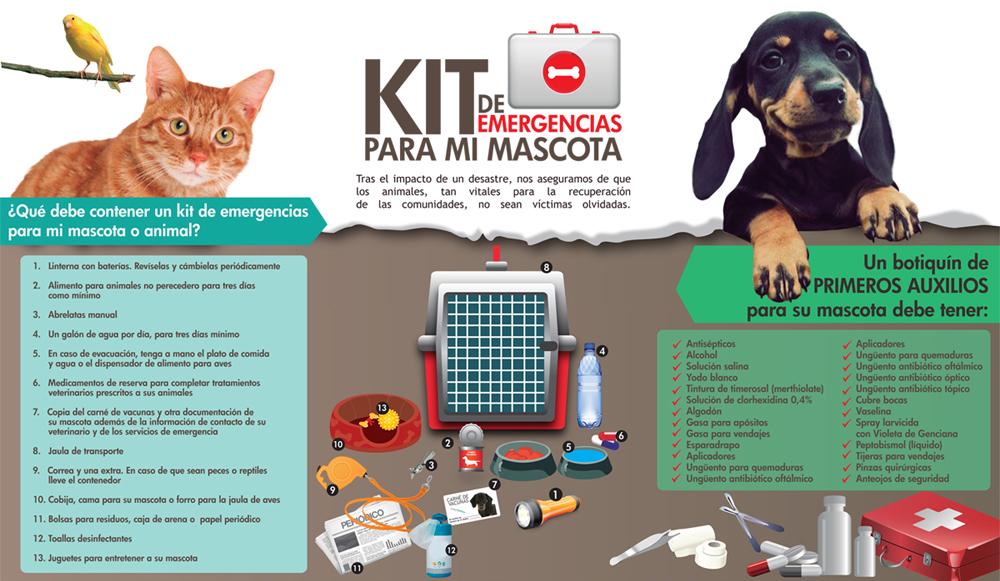
Your pet’s emergency kit must include, at the absolute minimum: bottled water and non-perishable food for 14 days, a secure, rigid carrier, printed and sealed vaccination records, a month’s worth of medication, and comfort items (blankets with your scent or toys) to reduce panic.
But packing a bag isn’t enough. Surviving hurricane season with pets requires strategy, especially if you end up in a public shelter where bureaucracy doesn’t stop even for Category 4 winds. Let’s get straight to the point and break down how to protect your pet this season.

The Harsh Reality of Evacuating: Why You Can’t Improvise
Stories of rescues by boat pulling dogs from flooded rooftops are heartwarming on TV, but they’re the result of failed planning. When authorities issue a mandatory evacuation order, time vanishes.
If you arrive at a county temporary shelter without your pet’s paperwork in order, they’ll turn you away. It sounds harsh, but that’s public health protocol. Pet-friendly shelters fill up in a matter of hours and operate under strict biosecurity rules. You can’t show up with your pitbull or Persian cat in your arms, off-leash and without proof they’re rabies-free, expecting compassion.
“The golden rule of family survival includes pets: If it’s not safe for you to stay home, it’s definitely not safe for them.”
Anatomy of a “Level 5” Emergency Kit for Pets
Forget tossing a couple of cans into a plastic bag and calling it a day. A real survival kit is divided into three critical categories. Here’s the detailed list of what you need to pack right now.

1. Survival Rations (Water and Food)
The stress of the storm and the change in environment can cause severe gastrointestinal issues in animals. This is not the time to change their diet.
- Two weeks’ worth of food: If they eat kibble (dry food), store it in waterproof, airtight containers—not in the original paper bag. If they eat wet food, make sure it’s pop-top cans. (No one has time to look for a manual can opener during a blackout.)
- Bottled water exclusively for them: Calculate at least half a gallon per day for a medium-sized dog. Don’t assume you’ll share your ration; stress dehydrates them faster.
- Collapsible silicone bowls: They’re cheap, take up little space, and won’t break if dropped during transport.
2. The Lifesaving Paperwork (Administrative Kit)
This is what will open the doors to shelters or allow you to cross state lines if you need to go far. All of this should go in a waterproof Ziploc bag or a sealed plastic folder.
- Updated vaccination records: Especially the rabies and bordetella (kennel cough) vaccines. Shelters are breeding grounds for canine and feline respiratory diseases.
- Recent photographs: Print a couple of clear photos of you with your pet. If they get lost in the chaos, your phone might be dead. A physical photo proves ownership and helps rescue teams.
- Microchip information: Make sure the microchip’s online registry is updated with your current cell phone number (not the landline of the house you’re evacuating).
- List of medical instructions: Exact medication dosages and your veterinarian’s contact number.
3. Medical Kit and Operational Logistics
This is where most people fail. Your pet will be terrified. A frightened animal is an animal that tries to escape.
- 30 days’ worth of medication: Pharmacies and veterinary clinics take weeks to reopen after a severe hurricane.
- Extra collars and sturdy leashes: Preferably harnesses, as frightened dogs can easily slip out of a neck collar. Make sure the ID tag is securely attached.
- For cats: Clumping litter, a portable litter box (or a large aluminum turkey-roasting pan), and waste bags.
- Natural or prescribed calming aids: Talk to your vet before the storm hits. Pheromone sprays (like Feliway for cats or Adaptil for dogs), pressure wraps (Thundershirts), or mild anti-anxiety medication can make the difference between a manageable trip and a nightmare.
The Challenge of Shelters: What No One Tells You
Here’s where things get interesting (and frustrating). You hear on the radio: “The high school shelter is open and accepting pets.” You arrive exhausted, only to run into the fine print.
How a “Pet-Friendly” Shelter Really Works
| What people expect | The harsh shelter reality |
| Sleeping cuddled with your dog on the cot. | Animals are housed in a hallway, gym, or separate building from their owners. |
| Volunteers taking care of the animals. | YOU are solely responsible for feeding, cleaning, and walking your animal under strict schedules. |
| Pets freely playing together. | They must stay in their carrier (crate) 90% of the time. If your crate is too small, you’ll be turned away. |
The golden tip: Buy a rigid plastic carrier (not soft-sided bags) large enough for your pet to stand up and turn around. Write your pet’s name and your phone number directly on the plastic with a permanent marker.
Extraction Tactics: When It’s Time to Flee
You’ve loaded the car, but your cat has hidden under the bed in the most inaccessible spot, or your dog refuses to get in the car because of the deafening noise of thunder and cell phone alarms.
- Dress Rehearsal: Weeks beforehand, leave the carrier open in the living room. Put treats inside. Make it a safe place, not “the terror cage that only comes out for vet visits.”
- The Towel Trick (Extreme Emergencies Only): If the water is rising and your cat is fighting like a wild tiger, wrap it firmly (like a burrito) in a thick towel or carefully place it in a sturdy cotton pillowcase to transfer it to the carrier quickly without losing an arm.
- Stay Calm (They Read You): Animals smell cortisol, the stress hormone. If you’re running around screaming, they’ll go into survival mode, which usually means “hide” or “flee.” Speak softly, act with purpose, and secure them in their carriers before opening the doors to take out the luggage.
Hurricane season doesn’t forgive procrastination. Your pet blindly trusts you; their life is literally in your hands. Put together that kit this weekend, update their vaccinations, and have the peace of mind knowing that, no matter what happens to the house, your whole family will get out safely.