

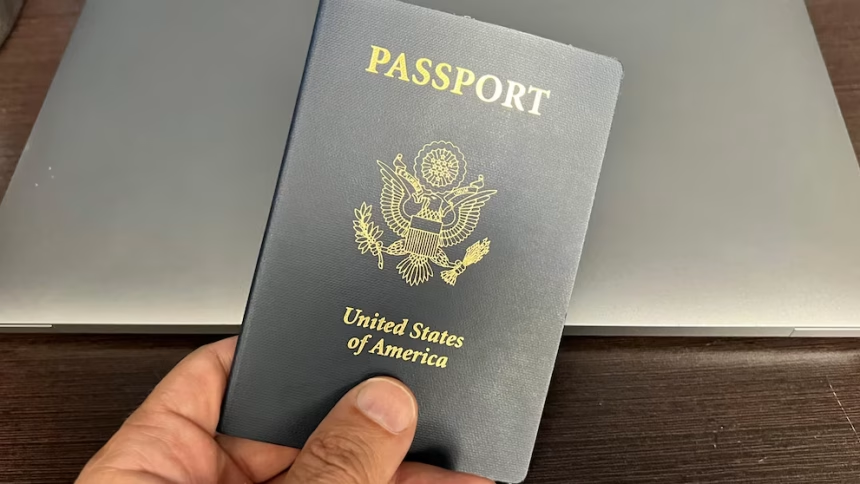
Current immigration legislation in the United States requires foreign nationals over the age of 18 to carry valid proof of their immigration status, such as a passport. This obligation is stipulated in the Immigration and Nationality Act (INA), which establishes penalties for those who do not have such documentation when requested by federal authorities.
According to the U.S. Citizenship and Immigration Services (USCIS), acceptable documents to comply with this requirement include the Permanent Resident Card (Green Card), the Employment Authorization Document (EAD), Form I-94, and other official documents issued by the federal government. The requirement applies to both permanent residents and individuals with temporary permits or pending benefit applications.

While there is no express requirement to carry a physical passport at all times, federal laws state that foreign nationals must keep and present, when requested, documentation that validates their legal status. This provision applies to all immigrants, regardless of immigration category or nationality.
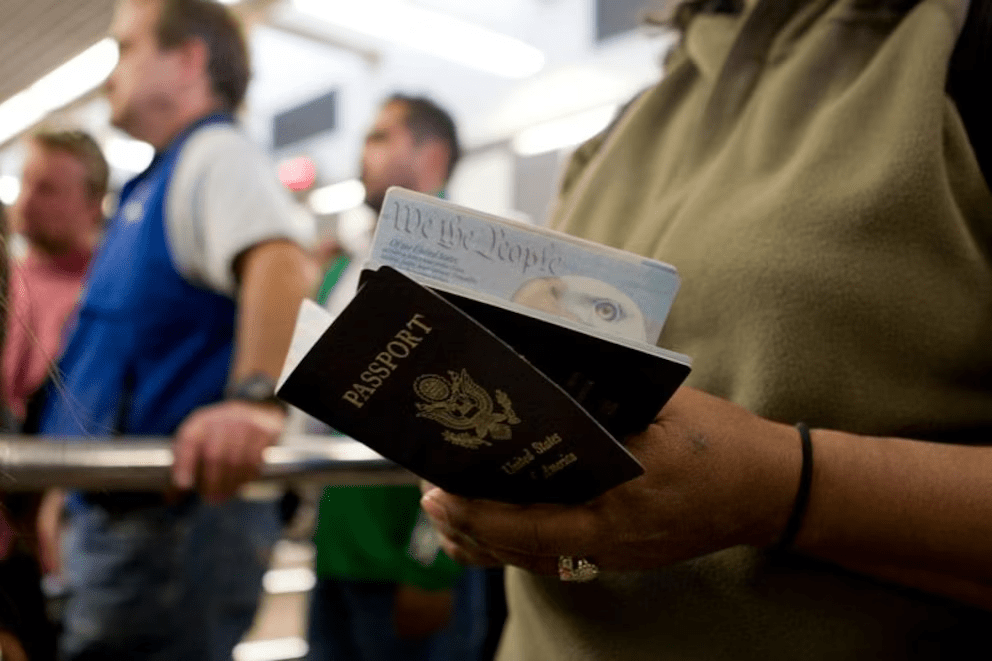
What Documents Should an Immigrant Carry in the U.S.?
According to Section 264(e) of the Immigration and Nationality Act, immigrants who do not carry valid documentation of their status may face a federal misdemeanor, punishable by a fine or even detention. The same law authorizes officials from the Department of Homeland Security (DHS) and Immigration and Customs Enforcement (ICE) to request these documents during operations or administrative proceedings.
USCIS states that valid documents include Form I-551 (Green Card), I-766 (work permit), or an updated copy of I-94 for those who entered the country legally and maintain a temporary status. Receipts for pending applications, such as I-797, issued by USCIS as official proof that the government is reviewing a legal petition, are also accepted.
For individuals with humanitarian parole, parole, or asylum processes, documents such as Form I-220A or the Notice to Appear (NTA) before an immigration court, issued by ICE or the Department of Justice, are required.

Is It Mandatory to Carry a Passport at All Times?
There is no federal regulation requiring the original passport to be carried at all times. However, ICE and Customs and Border Protection (CBP) may request it in specific contexts, such as inspections near borders, airports, interstate bus stations, or during immigration proceedings. In these cases, agents may accept other official documents if they validly prove immigration status.
CBP recommends keeping copies of the passport, visa, and entry documents as a preventive measure. On its official website, the agency states that these documents should be kept in an accessible and secure place in case they are needed during procedures or reviews.
In legal situations such as removal proceedings or court appearances, ICE may confiscate original documents, including passports. According to an official memo titled “Guidance on the Handling of Original Documents,” ICE is required to issue a receipt when confiscating documents and facilitate their return through scheduled appointments in the ICE Check-In system.

What Happens If an Immigration Document Is Lost?
USCIS states that the loss, damage, or theft of an immigration document must be reported immediately by submitting the corresponding form. To replace a Green Card, Form I-90 is used, while Form I-765 is used to renew a work permit. All information about these processes is available on the uscis.gov website.
While the replacement is being processed, the applicant may carry the official receipt of the application, which serves as temporary proof of legal status. This receipt is typically identified as “I-797C Notice of Action” and can be presented to immigration agents, local authorities, or institutions that require identity verification.
Can States Require Additional Documents?
While compliance with immigration laws is the exclusive responsibility of the federal government, some states have local regulations that require the presentation of valid identification to access state services, such as driving vehicles, enrolling in schools, or receiving medical care. These laws do not replace federal immigration requirements but may demand additional documents for specific procedures.
For example, several states allow immigrants without legal status to obtain driver’s licenses based on alternative documentation. However, this practice does not exempt them from the obligation to carry federal proof of immigration status, as established by DHS.
What Does the Law Recommend to Avoid Penalties?
The American Immigration Lawyers Association (AILA) advises its members to inform immigrants about the importance of carrying valid documentation and keeping copies of all their immigration records. While carrying a passport is not mandatory, having identification recognized by USCIS can prevent legal issues during inspections or administrative checks.
The recommendation extends to individuals in adjustment of status, permit renewal, or asylum application processes, who must carry official evidence of their pending case. Guidelines for these scenarios are available on the official USCIS website and in the legal aid sections of the Department of Justice.
Image: Infobae





