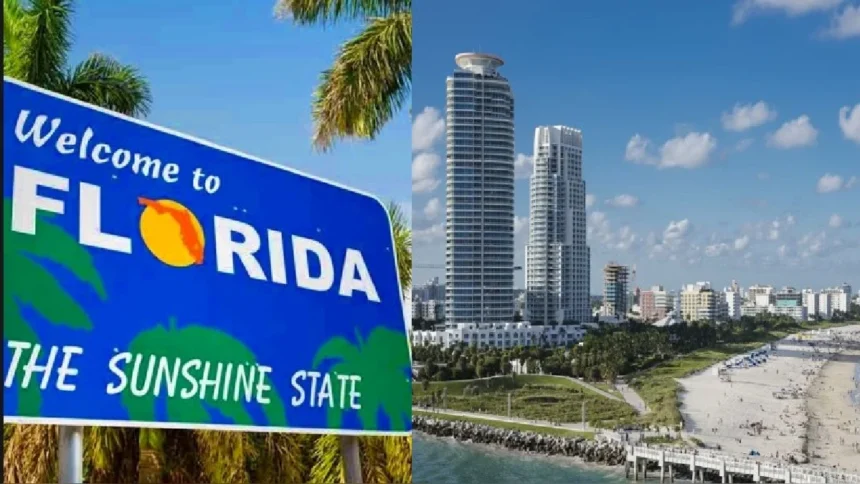
Florida’s Legislature has approved a $115.1 billion budget for fiscal year 2025-2026, which, after being sent to the governor for signing and potential vetoes, sets the state’s spending priorities.
While this budget is slightly smaller than last year’s, Florida’s spending plan directs significant funds to key areas such as education, environmental protection, transportation infrastructure, and tax reductions.

Below are the most important categories and the most significant allocations in the new state budget.
1. Education: Boosting School Choice and Salaries
Florida’s education system, from early childhood through university, remains the largest recipient of state funds.
- Per-Student Funding (K-12): The budget includes an increase in per-student funding, raising it to approximately $9,130, a 1.59% increase over the previous year.
- Scholarships and School Choice: A massive $4 billion is allocated for school choice scholarships, allowing students to attend private and religious schools.
- Teacher Salaries: The budget includes funding to continue salary increases for teachers, a priority in recent years.
- Higher Education: Approximately $3.9 billion is allocated to the state university system and $1.7 billion to Florida’s college network, supporting operations, research, and hiring quality faculty.
2. Environment and Natural Resources
Protecting Florida’s vast and fragile natural resources is another major priority, with significant investments in restoration and conservation projects.
- Everglades Restoration: $691.5 million is allocated to continue restoration efforts for this vital ecosystem.
- Water Quality: $675.2 million is designated for a variety of water quality improvement projects statewide, including the transition from septic systems to sewer systems.
- Resilience and Coastal Protection: The budget includes $170 million in grants for flood mitigation and sea-level rise projects.
- “Florida Forever” Program: $130 million is allocated to this program dedicated to land acquisition for conservation.
3. Transportation and Infrastructure
To support the state’s population and economic growth, the budget includes a major investment in the transportation network.

- Transportation Work Program: $13.8 billion is allocated to the Florida Department of Transportation’s (FDOT) Work Program. These funds are used for the construction, maintenance, and expansion of roads, bridges, ports, railroads, and other public transportation systems.
4. Tax Cuts and Reserves
The budget also focuses on reducing the tax burden for businesses and families.
- Tax Cut Package: A tax relief package valued at $1.3 billion has been approved.
- Elimination of Commercial Rent Tax: One of the most notable measures is the permanent elimination of the state tax on commercial property rentals, providing significant relief for Florida businesses.
- State Reserves: The budget maintains a healthy level of reserves, with over $14.6 billion set aside in various funds to address emergencies such as hurricanes or other economic contingencies.
Other Areas of Interest
- Affordable Housing: Significant funds are allocated to programs like “Hometown Heroes,” designed to help frontline workers purchase their first home, as well as other affordable housing initiatives.
- Salary Increases for State Employees: The plan includes a 2% salary increase for state employees. Additionally, state law enforcement officers and firefighters will receive a 10% raise, which increases to 15% for those with more than five years of service.
- Immigration Enforcement Collaboration: A $3 million allocation is provided in grants for county jails that collaborate with federal authorities on immigrant detention efforts.
The budget, approved after weeks of negotiations between Florida’s House of Representatives and Senate, reflects a conservative approach to overall spending while making strategic investments in areas considered crucial to the state’s future.

Generate Audio Overview