

The Democratic Party reached on Tuesday, November 24, at least 259 seats in the United States House of Representatives, its biggest majority in more than three decades, after the victory of Victoria Broderick over Republican Congressman Scott DesJarlais in Tennessee. With this result —which raises the net gain to 45 seats since the start of the midterm elections on November 3— Democrats surpass the 1992 mark (258 seats) and record their best tally since 1990, when they won 267.
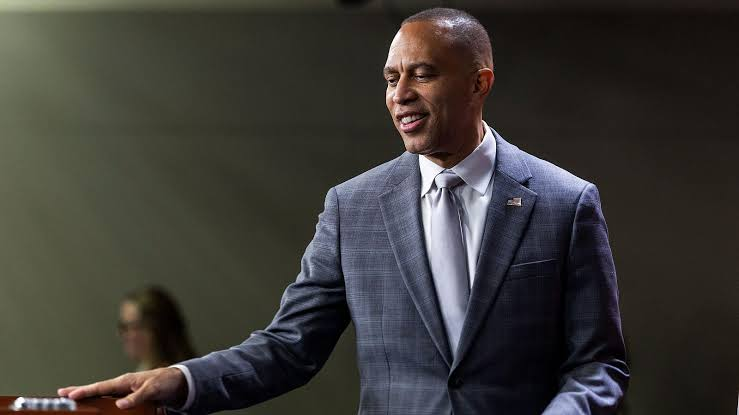
Democratic leader Hakeem Jeffries is poised to be elected on January 3, 2027 as the first Black speaker of the House. The wide cushion above the 218 votes needed for a majority will allow him to set the legislative agenda even if internal dissent arises.

The New Congressional Map
The House advance comes just two days after Democrats reached 258 seats thanks to Chuck Hubbard‘s win in North Carolina’s 5th District over Republican Virginia Foxx, who had served eleven terms. The flip is completed with a comfortable Senate control.
| Chamber | Democrats | Republicans | Undecided | Historical Milestone |
| House of Representatives (435) | 259 | 173 | 3 (2 in Louisiana, 1 in Minnesota) | Largest majority since 1990 (267 seats) |
| Senate (100) | 56 | 44 | 0 | Largest majority since 2010 and a 9‑seat swing (largest since 1958) |
Key Factors in the Electoral Shift
- Republican collapse in the House: The GOP is now down to 173 representatives, one of its lowest counts in decades. Its members chose Ohio Congressman Jim Jordan as minority leader.
- Notable Senate victories: The 56‑senator majority was secured with wins in traditionally tough states, such as Mary Peltola in Alaska (seat 56) and Scott Colom over Cindy Hyde‑Smith in Mississippi, the first Democratic Senate seat in that state since 1982.
- Voting drivers: Analysts and election chronicles link the scale of the incumbent defeat to public discontent over high living costs and anger over the war with Iran.
Divided Government Facing Donald Trump
The Democratic dominance of both chambers opens two years of divided government in the final stretch of President Donald Trump‘s second term.
- Legislative power and oversight: Democrats will control congressional committees and have room to launch investigations into the Executive, though the majority alone is insufficient to overturn a presidential veto or easily repeal measures such as White House‑imposed tariffs.
- Tension and possible deals: While the White House has warned against congressional oversight probes, Trump has alternated confrontational messages with overtures for dialogue, even hinting at two productive years and proposing agreements on health care or capping credit‑card interest at 10%.