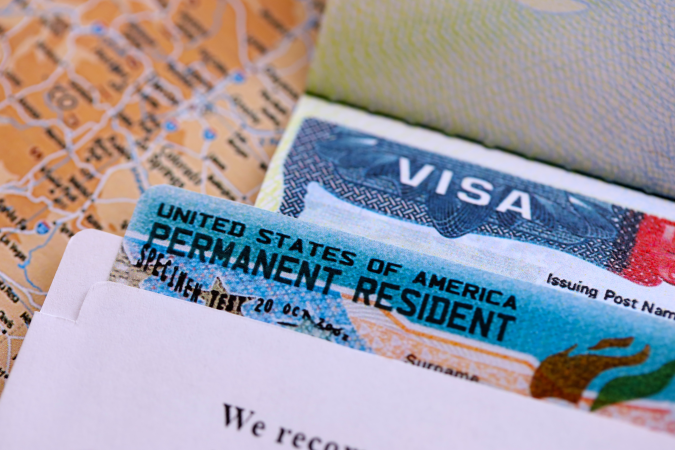
The work permit in the United States, known as an EAD (Employment Authorization Document), is a key document for thousands of immigrants. However, many lose it or face serious problems due to mistakes that could have been avoided. We explain what those mistakes can be so you can protect your status and your right to work legally.
- 1. Working Outside Authorized Terms
- 2. Not Renewing the Permit on Time
- 3. Providing False or Incomplete Information
- 4. Changing Status Without Checking Work Authorization Impact
- 5. Having Legal Problems or a Criminal Record
- 6. Ignoring Immigration Notices
- 7. Leaving the Country Without Proper Authorization
- 8. Not Reporting Important Changes
- How to Protect Your Work Permit
1. Working Outside Authorized Terms
One of the most common mistakes is accepting jobs that are not permitted under your immigration status. Some people may work only for certain employers, in specific fields, or under particular conditions. Working outside those limits can be considered a violation of immigration rules and may lead to the cancellation of your permit.

2. Not Renewing the Permit on Time
The work permit has a clear expiration date. Filing for renewal outside the recommended timeframe can leave you without work authorization for weeks or months. Additionally, if your permit expires and you continue working, even out of necessity, you could face serious immigration consequences.
3. Providing False or Incomplete Information
Mistakes on forms, omitting relevant information, or submitting false data, even unintentionally, can be enough for immigration authorities to deny or revoke your work permit. Inconsistencies between past and current applications often trigger alerts in immigration systems.
4. Changing Status Without Checking Work Authorization Impact
Some people change their immigration status without confirming whether that change affects their work authorization. In some cases, the new status does not automatically allow employment, which invalidates the previous permit. Continuing to work without authorization can jeopardize future immigration benefits.

5. Having Legal Problems or a Criminal Record
Arrests, criminal charges, or certain offenses, even minor ones, can affect the validity of your work permit. Immigration authorities review an applicant’s legal history and may revoke the document if they determine there is a risk or a violation of the law.

6. Ignoring Immigration Notices
Failing to respond to official letters, requests for evidence, or appointments can result in the denial or cancellation of your permit. Many people lose their authorization simply by not opening or understanding a notice sent by USCIS.
7. Leaving the Country Without Proper Authorization
Traveling outside the United States without the corresponding permit can invalidate an ongoing immigration process. In some cases, upon re-entering the country, the work permit automatically becomes invalid, especially if the status is not yet resolved.
8. Not Reporting Important Changes
Changes in address, marital status, or immigration situation must be reported on time. Failing to do so can create administrative problems that affect the validity of your work permit or delay future renewals.

How to Protect Your Work Permit
Avoiding these mistakes requires attention and organization. Reviewing dates, carefully reading every document, and seeking reliable legal guidance when in doubt can make a difference. The work permit is not only a way to earn income; it is also a key piece in maintaining immigration stability in the United States.
Image: Opinion