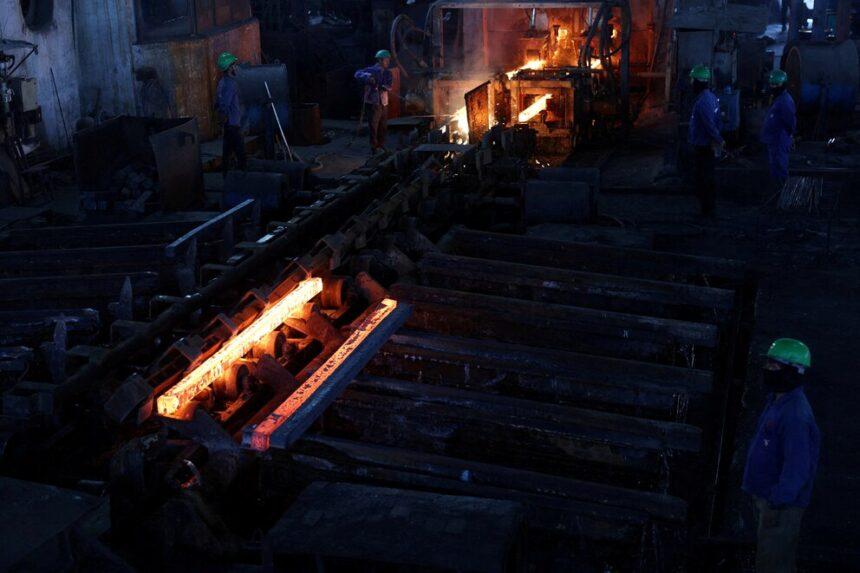
Manufacturing activity in the United States contracted in May for the third consecutive month, significantly influenced by uncertainty stemming from increased tariffs. This situation has led to a collapse in the import index, reaching its lowest level in 16 years.
The Institute for Supply Management (ISM) Index revealed a decrease of 0.2 points, reaching a value of 48.5 last month. A value below 50 clearly indicates a contraction in the manufacturing sector.

This decline occurs in a context where trade-related indices reflect the consequences of fluctuating tariff policies. The ISM import index experienced one of its sharpest drops on record, falling to 39.9 points, while the export indicator also registered low figures not seen in five years.
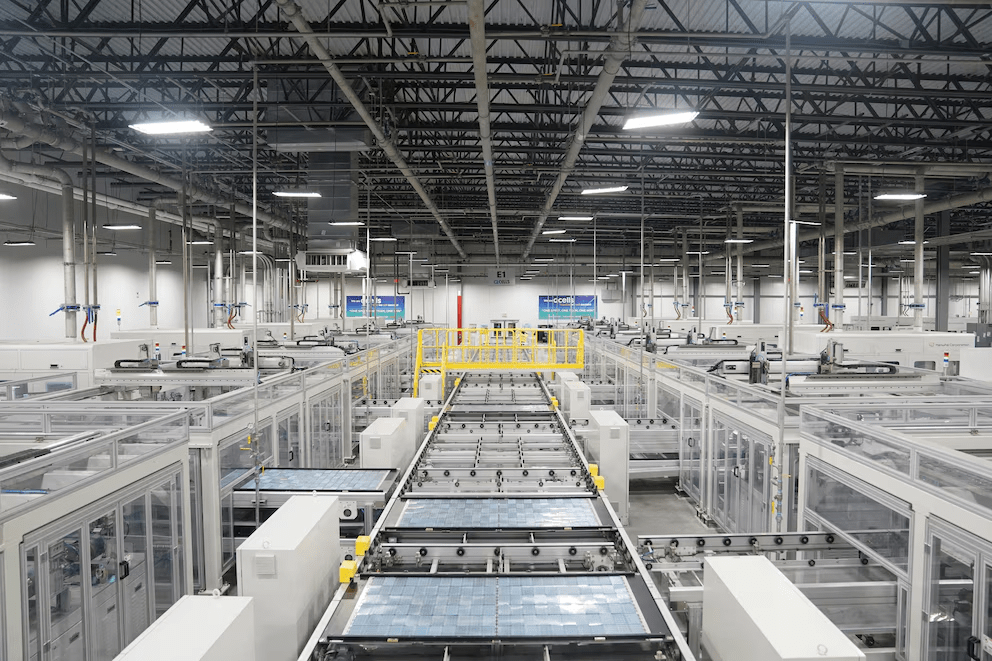
This trend could be a result of retaliatory tariff measures implemented by other countries against U.S. products.
Longer delivery times have also been observed, as the ISM supplier deliveries index rose to its highest level since June 2022. This trend adds to four consecutive months of declining new orders, along with a backlog of orders shrinking at the slowest pace since September 2022.
In another report, U.S. manufacturers warned about the negative impact that the trade war promoted by President Donald Trump is having on production. According to the ISM survey, this policy has resulted in three consecutive months of decline in manufacturing performance.

President Trump’s stance, announcing a 50% increase in steel tariffs, has exacerbated concerns about potential economic repercussions. The dollar weakened against currencies like the British pound, nearing a three-year low, after these figures were released. These events reflect an environment of growing tension and uncertainty in trade, impacting not only U.S. production but also the global economic outlook.
Meanwhile, Treasury Secretary Scott Bessent reaffirmed that the United States will not default, despite concerns about the financial sustainability of tax-cut plans included in the government’s budget. Criticism persists regarding the effect of these policies on bond markets, which some fear could collapse under the pressure of government debt.
Image: Infobae