


Tech giant Apple and neurotechnology firm Synchron are collaborating on a project to enable control of devices like the iPhone and iPad through the thoughts of users who have a specific chip implanted in their brain.
Apple released a statement about its accessibility updates for 2025 and announced it has created a “new protocol” for Switch Control, its feature that allows people with limited mobility to interact with devices, for brain chips, technically called “brain-computer interfaces.”

The iOS, iPadOS, and visionOS operating systems will become more accessible for “users with severe mobility disabilities” thanks to this protocol for brain chips, which Apple describes as “an emerging technology that allows users to control the device without physical movement.”
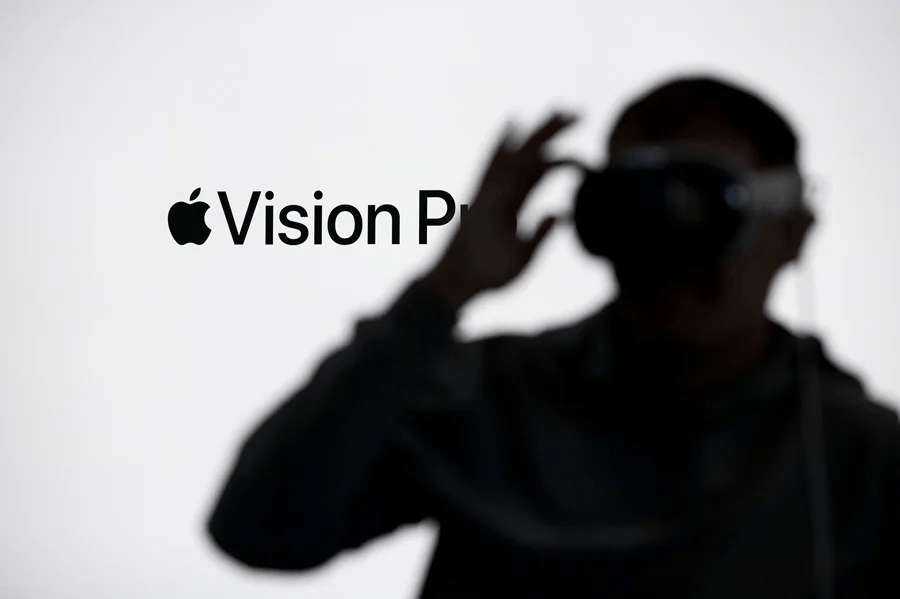
Apple Bets on Controlling the iPhone, iPad, and Its Glasses with the Mind
Following Apple’s announcement, neurotechnology firm Synchron, specializing in “brain-computer interfaces” (BCI) and creator of the Stentrode brain chip, revealed it will be “the first” to “achieve native integration” with Apple’s new protocol to use Switch Control in its implants.
“This marks a major milestone in accessibility and neurotechnology, where users implanted with Synchron’s BCI can control the iPhone, iPad, and Apple Vision Pro glasses directly with their thoughts without needing physical movement or voice commands,” the U.S. firm stated in a release.
Synchron called Apple a “pioneer in a new paradigm” for brain chips and said its new protocol will enable “hands-free and voice-free digital access for people with motor disabilities such as ALS, strokes, or spinal cord injuries.”

The company began clinical trials for its Stentrode chip in 2019. The chip is implanted through a vein, avoiding surgery, and uses an artificial intelligence model called Chiral trained “directly on human neurological activity,” with the goal of creating a commercially viable and scalable BCI.
Apple, which did not disclose a release date for its BCI protocol, is thus entering the emerging neurotechnology market, where Neuralink, the firm founded by billionaire Elon Musk, also stands out. Neuralink’s chips are still in the testing phase, awaiting regulatory approval that could take years.
Image: EFE





