
Millions of Americans who obtain health coverage through the Affordable Care Act (ACA), known as Obamacare, face a complex scenario: the monthly cost of their premiums could more than double in 2026 if Congress does not extend the temporary subsidies implemented during the pandemic.
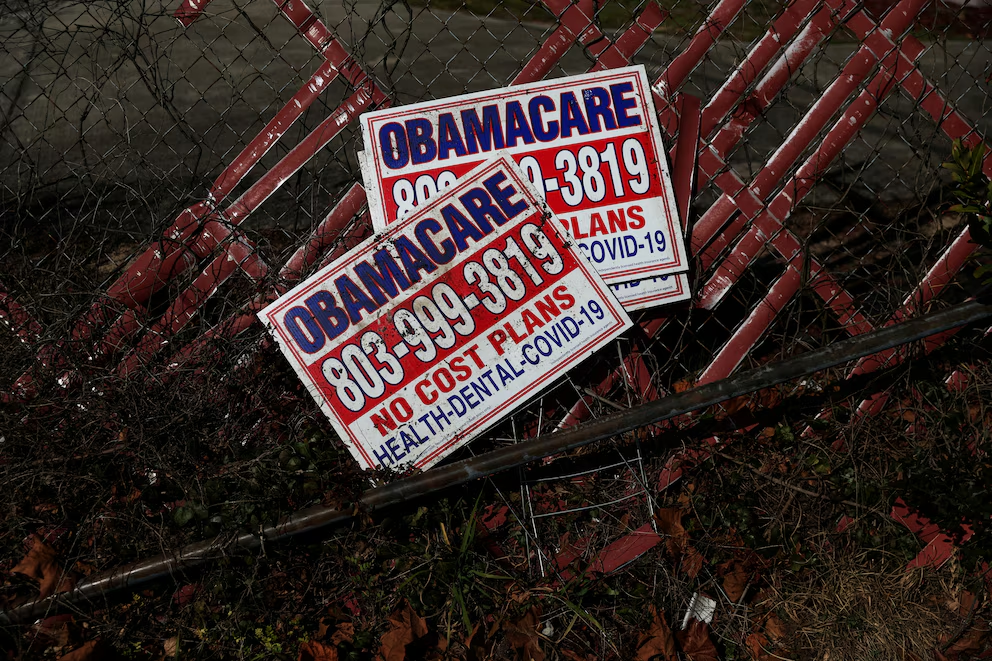
The increase, projected at an average of 114%, coincides with the start of the open enrollment period and occurs amid the current partial federal government shutdown, making healthcare a key topic of political and social debate.

The subsidies for health insurance premiums, approved in 2021 during the COVID-19 pandemic, allowed enrollment in ACA plans to reach nearly 24 million people, almost double the number before the health emergency. However, these temporary economic incentives expire at the end of 2025 and are tied to negotiations to reopen the U.S. government, which has been shut down since October 1.
While Democrats insist that any agreement to resume services must include an extension of the subsidies, Republicans argue that federal funding must be restored first before debating the future of healthcare assistance.
This dispute leaves millions of Americans in limbo, particularly residents in states like Florida, Texas, and Georgia, where Medicaid coverage is limited and many low-income families rely directly on ACA plans and their tax credits.
Direct Impact on Wallets
According to the healthcare research firm Kaiser Family Foundation (KFF), enrollees will see significant increases: “on average, subsidized enrollees would go from paying $888 per year to $1,904,” the report cited by Reuters states. On a monthly basis, the increases range from hundreds to over a thousand dollars, depending on family income and age.

Austin Jeha, a 24-year-old resident of California, explained: “my new monthly premium will go from $215 to $436. I need the insurance to access consultations and treatments that help me manage my ulcerative colitis. My doctors remind me that I have a high risk of colon cancer and I can’t afford to be without coverage.”
For Stacy Cox, a business owner in Utah, the family cost jumps from $495 to $2,168 per month, a 338% increase. “It’s horrifying to see the real numbers,” she told FOX News. Without subsidies, her alternative would be emergency insurance that does not cover preventive care or chronic treatments: “that causes me a lot of stress because I know emergency insurance won’t meet my needs.”
Risks of Dropping Coverage
The estimate is that seven million people will stop purchasing health insurance if subsidies are eliminated, and between four and five million will be left completely uninsured. “This will immediately impact hardworking families, even those with more than one job, who don’t have employer-provided insurance,” commented Scott Darius, director of the organization Florida Voices for Health.

The impact will be greater for those whose incomes exceed 400% of the federal poverty line (about $84,600 annually for a couple). According to KFF, premiums for this group could be four times higher in 2026 if tax credits are not renewed.
Timothy McCann, a professional in New Jersey, already anticipates an increase from $1,517 to $1,851 in his monthly premium: “we need constant visits, so it’s probably still viable. But it’s still an absurd expense,” he stated. His medical expenses totaled $33,000 this year.
Cynthia Cox, vice president of KFF, warned that “if someone sees, when enrolling, that their premium has doubled and decides not to continue, the damage is already done.”
The price of insurance is also rising due to factors such as increasing hospital costs, greater use of expensive medications, and the exit of major insurers, like Aetna (from CVS Health), from the ACA market. These exits caused an average price increase of 26%.
Experts anticipate that even if subsidies are extended after enrollment begins, the immediate drop in coverage will be difficult to reverse. “The amount insurers charge is rising not only due to medical and pharmaceutical costs but also in anticipation that healthier individuals will leave the plans if tax credits disappear,” the KFF report indicated.
Image: Infobae