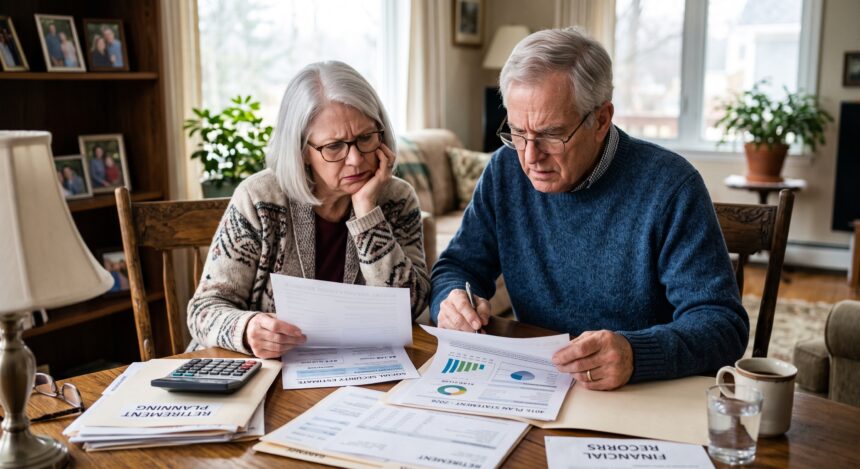
New research from WalletHub on savings reveals that 1 in 3 people fears not having enough money to retire and 7 out of 10 prefer a traditional pension over a 401(k). Learn the details.
The dream of a golden retirement is fading for a large portion of the population. A new survey sheds light on growing financial concerns and a longing for retirement models of the past.

Planning for old age has become a source of stress rather than hope for millions of workers in the United States. This is demonstrated by a recent WalletHub savings study, which reveals a troubling outlook on how people perceive their economic future.
The data is clear: 40% of respondents believe retirement will never be an option for them. Additionally, widespread anxiety is evident, as 1 in 3 Americans says they are unsure whether they will have enough money to retire.
The Longing for Traditional Pensions
One of the most revealing findings of the study is the shift in perception of savings tools. According to the survey, 7 out of 10 people consider a traditional pension better than a 401(k), the employer-sponsored retirement account system that dominates the market today.
For the financial experts consulted after the study’s release, this response is not surprising. The 401(k) model shifts investment risk and savings responsibility directly onto the worker, which is unsustainable for many in today’s economy.

The specialists point out that citizens are facing a “perfect storm”:
- They are overwhelmed by high levels of debt (credit cards, student loans, mortgages).
- They lack sufficient savings to cushion inflation and the cost of living.
- They have growing doubts about the future and the solvency of government benefits, such as Social Security.
Faced with this level of uncertainty, the promise of a traditional pension—which guarantees a fixed lifetime payment from the employer—is far more attractive and secure than the volatility of the stock market.
Where to Retire in 2026?
Amid this climate of concern, knowing where to make savings stretch becomes crucial for those who manage to plan their retirement.

Alongside the survey data, WalletHub also analyzed and published its ranking of the best and worst places to retire in 2026. For this analysis, the platform evaluates different cities and states based on key metrics that directly affect retirees, such as affordability (cost of living and tax burden), quality and accessibility of healthcare, and recreation opportunities and quality of life.
For those in the group hoping to retire soon, choosing the right state could be the difference between comfortably stretching their savings or being forced back into the workforce.
Imagen: El Hispano para todos