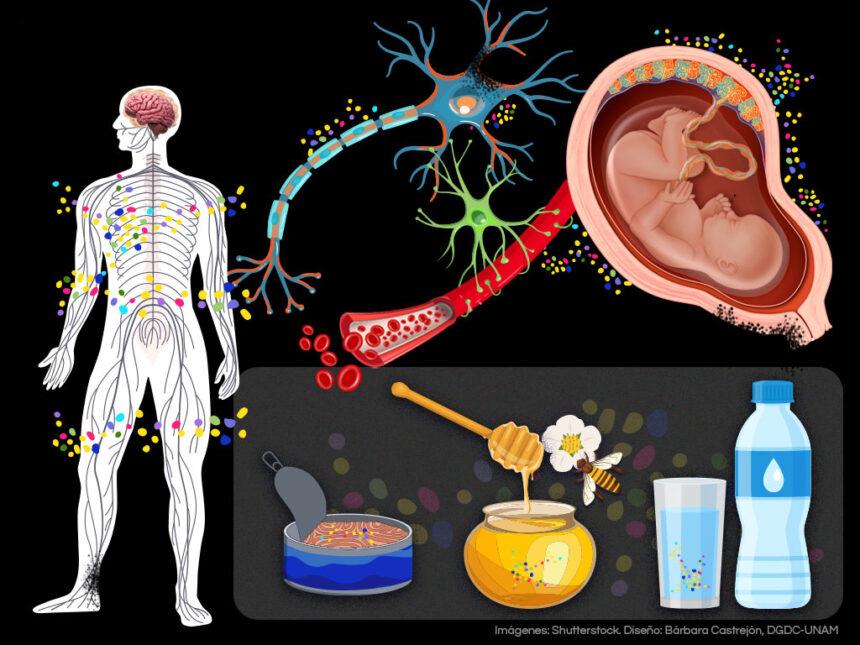
Microplastics—plastic particles smaller than 5 millimeters—have become a pervasive pollutant, infiltrating everything from the deepest oceans to the air we breathe and the food we eat.
The growing presence of microplastics raises serious questions about their consequences for the environment and, increasingly, for human health.

Origin: Where Do Microplastics Come From?
Microplastics are classified into two main categories based on their origin:
1. Primary Microplastics: These are particles manufactured and released directly into the environment at a microscopic size. They account for between 15% and 31% of microplastics in the oceans. Their most common sources include:
- Washing Synthetic Clothing: Fibers like polyester, nylon, and acrylic shed thousands of microfibers in each wash cycle, which travel through wastewater. This is the largest source of primary microplastics.
- Tire Wear: The abrasion of tires during driving releases small particles of rubber and plastic into the atmosphere and onto roads, where they are washed away by rain.
- Cosmetics and Personal Care Products: For years, plastic microbeads were intentionally added to products like exfoliants, toothpastes, and gels as abrasive agents. While many countries have banned their use, they remain present in some products.
2. Secondary Microplastics: These originate from the breakdown and fragmentation of larger plastic objects due to exposure to sunlight, wind, and waves. They make up the majority of microplastics in the environment (between 69% and 81%). Their sources include:
- Fragmentation of Plastic Waste: Bags, bottles, food packaging, and fishing nets abandoned in nature break down over time into increasingly smaller pieces.
- Cigarette Filters: Cigarette butts, made of cellulose acetate (a type of plastic), are one of the most common waste items and decompose into microfibers.
Exposure Pathways and Health Effects
Humans are exposed to microplastics through three main pathways:

- Ingestion: Through food (especially seafood), table salt, honey, and both bottled and tap water.
- Inhalation: Through airborne dust containing textile fibers and tire particles.
- Dermal Contact: Through cosmetics or contact with plastic objects, though absorption through intact skin is considered minimal.
Once inside the body, science has confirmed the presence of these particles in unexpected places: microplastics have been detected in blood, lungs, liver, placenta, and even breast milk and the brain.
Research on their health effects is rapidly expanding, but current findings are concerning and suggest multiple risks:
- Oxidative Stress and Cellular Damage: Laboratory studies have shown that microplastics can cause oxidative stress, an imbalance that can damage DNA and cellular proteins.
- Inflammation: Their presence in tissues can trigger chronic inflammatory responses, which are at the root of numerous diseases. Inflammation has been observed in the respiratory and gastrointestinal systems.
- Disruption of the Gut Microbiome: Ingesting microplastics can alter the balance of bacteria in the gut, which may affect digestion, the immune system, and overall health.
- Chemical Toxicity: Plastics contain chemical additives (such as plasticizers and flame retardants) that can be toxic. Additionally, microplastics can absorb and concentrate other environmental toxins, carrying them into the body.
- Cardiovascular and Metabolic Risks: Recent research has found a positive correlation between microplastic exposure and a higher prevalence of diseases like type 2 diabetes, hypertension, strokes, and heart attacks. A 2024 study found that patients with microplastics in their arterial plaques had a higher risk of heart attacks or death.
While the scientific community emphasizes that the long-term effects of this chronic exposure are still unknown, the accumulated evidence indicates that microplastics are not inert and represent an emerging public health risk that requires urgent action to reduce plastic pollution at its source.