

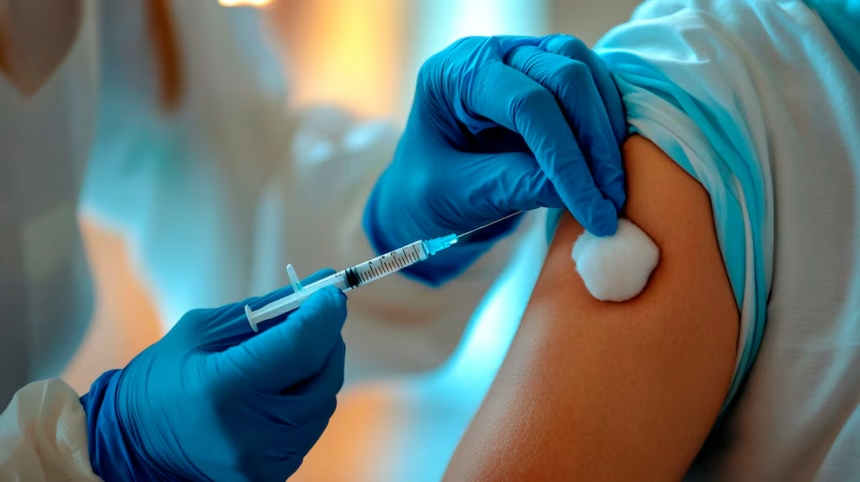
Researchers at the University of Florida have reported advances in the development of a “universal” cancer vaccine, according to a study published in Nature Biomedical Engineering on July 18, 2025. The vaccine’s goal is to activate the immune system against elements that appear dangerous, with the aim of extending that response to recognize and reject tumors, explained Elias Sayour, co-author of the study and director of the institution’s Pediatric Cancer Immunotherapy Initiative.
Sayour told Newsweek that he is confident this technology could be applied to all types of cancer, as it would allow the immune system to identify and attack any form of the disease. The researcher noted that in cases of active cancer, the immune system is often inactive or deceived, and this approach aims to reactivate it to restore its ability to fight tumors.

The concept is currently under evaluation in human clinical trials. If the trials proceed favorably, Sayour said this “could establish a completely new paradigm for treating all cancer patients.” The scientific team believes the discovery represents a significant step toward creating a universal solution for cancer.

What Are Therapeutic Vaccines?
Cancer vaccines currently in research stages primarily take a therapeutic approach, unlike traditional preventive vaccines. This was described by David Braun, a professor of medicine and member of the Yale Cancer Center’s Molecular and Cellular Oncology Center, who explained that most clinical trials aim to treat cancer after diagnosis rather than prevent its onset.
Regarding the new study, Braun noted that the proposal involves using the vaccination process itself to generally stimulate the immune system so that it attacks cancer “regardless of its specific target.” The specialist found the idea intriguing but emphasized the need for extensive evaluations through controlled clinical studies before confirming its scope.
How Many People Have Cancer in the United States?
According to data from the Centers for Disease Control and Prevention (CDC), nearly 2 million new cancer cases were recorded in the United States in 2022. In 2023, over 600,000 people died from the disease. Cancer is the second leading cause of death in the country, after heart disease, and accounted for 19% of deaths in 2022, according to Statista figures.

Historically, some therapeutic vaccines have received approval, such as Dendreon’s Provenge, used for certain cases of advanced prostate cancer. Other recent developments, like Moderna’s experimental mRNA-4157 vaccine, are in phase 3 clinical trials to prevent recurrence of melanoma and lung cancer.
What sets the University of Florida’s research apart is its potential to advance toward a vaccine that covers all types of cancer. According to Hua Wang, a professor of materials science and engineering at the University of Illinois at Urbana-Champaign, this strategy could become a neoadjuvant therapy before other treatments like immune checkpoint inhibitors.
Wang also highlighted that various vaccine modalities are currently under study, including messenger RNA neoantigen vaccines, dendritic cell vaccines, and vaccines based on nanomaterials and tumor exosomes. The main challenge, according to Wang, is balancing therapeutic benefits and safety, which varies across platforms. The academic noted that very few teams have the resources and support needed to conduct clinical trials with cancer vaccines.

Image: Infobae





