
The arrival of Chagas disease in the United States is no longer considered an isolated event, according to a recent report from the Centers for Disease Control and Prevention (CDC).
The agency warns about the emergence of locally acquired cases in eight states, including Texas, which challenges the traditional view of the disease as exclusively Latin American and raises concerns about its potential to become endemic in the country.

The transmission of Chagas, caused by the parasite Trypanosoma cruzi, occurs after the bite of the triatomine bug, known as the “kissing bug.” The CDC reports that these insects, which carry the infection, have been identified in at least 32 states, while diagnoses of patients with locally acquired cases have been documented in Texas, California, Arizona, Tennessee, Louisiana, Missouri, Mississippi, and Arkansas.
The agency warns that keeping the United States off the list of endemic countries “perpetuates low awareness and underreporting of the disease.”
Globally, Chagas disease affects more than eight million people, and nearly 280,000 live in the United States. Most are unaware of their diagnosis, which heightens the risk of severe complications.
Infection occurs when, after biting a person, the insect deposits infected feces near the wound, and the parasite enters the body if the person scratches or touches their eyes or mouth. Specialists from the agency emphasize that “if these excrements enter the body through a cut in the skin, or near the eyes or mouth, that can lead to infection.”

The increase in the vector’s presence in the United States was detected due to a rise in scientific research, documented encounters, and reports of diagnoses in domestic animals, particularly dogs, which have become sentinels of this expansion. “The invasion of homes, human bites, and veterinary diagnoses have raised public awareness,” the report states.
What Are the Symptoms of Chagas Disease?
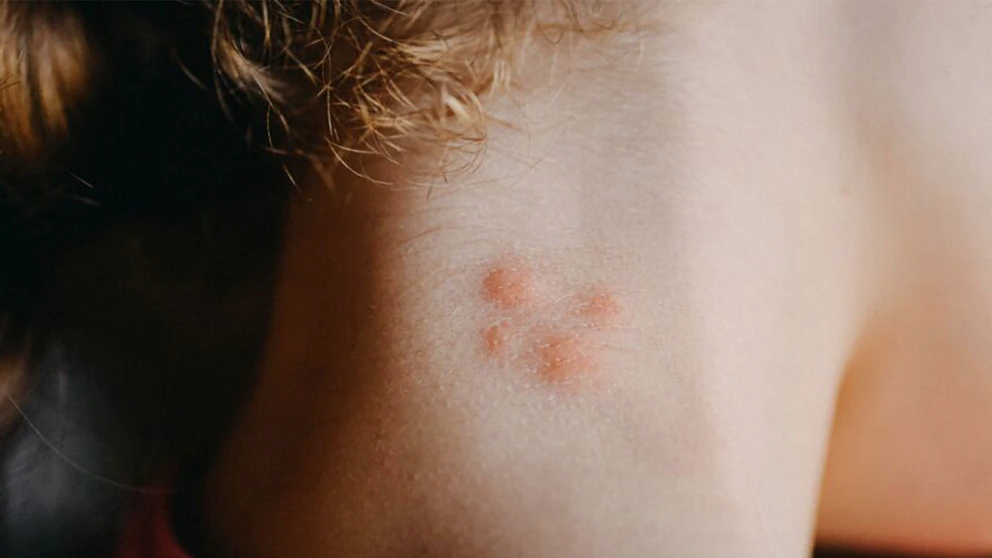
Chagas disease can have serious consequences. In its acute phase, symptoms include fever, headache, general discomfort, rash, and loss of appetite; occasionally, a characteristic eyelid swelling known as Romaña’s sign appears.
If left untreated, the condition can progress to a chronic phase with cardiac or digestive damage. Dr. Tom Moore warns that “it can destroy the nerves that supply the heart, esophagus, or colon.”

To date, no preventive remedy has proven effective against the parasite, and no vaccine is available. The CDC advises staying in well-constructed buildings, wearing clothing that covers the entire body, using repellents, avoiding uncooked fruits or vegetables, and sealing doors and windows to prevent insects from entering homes, especially in states where outbreaks have already been documented.
The report also recommends keeping trash, firewood, and rock piles away to reduce factors that attract the insect to residential areas.
Image: Infobae