The return of the flesh-eating pest, the New World screwworm (NWS), is a looming threat that could resurface in the state of Florida. This carnivorous parasite, eradicated from the United States over four decades ago, appears to be moving northward again from Mexico, raising concerns among the region’s health and agricultural authorities. The Florida Department of Agriculture has emphasized ongoing vigilance to prevent an outbreak that could have severe consequences for the country’s livestock and wildlife.
- Despite its eradication, the New World screwworm remains a constant threat due to its endemic presence in regions further south, such as South America and some Caribbean islands.
- What is the New World screwworm?
- How is the New World screwworm transmitted, and what are the symptoms?
- This method, based on competition between native and sterile specimens, prevents reproduction and eventually reduces the parasite population.
The history of the New World screwworm in the United States is extensive. This deadly insect first arrived in the country before the Civil War and became a significant problem in 1933 following the arrival of infested animals from the Southwest. However, after years of economic devastation in the agricultural sector, it was eradicated in 1966 using the sterile insect technique, according to data from the University of Florida. Nonetheless, in 2016, the pest briefly reappeared in the Florida Keys, where a rapid response prevented further spread.

Despite its eradication, the New World screwworm remains a constant threat due to its endemic presence in regions further south, such as South America and some Caribbean islands.
In a joint effort, the United States has worked with Panama to maintain a containment zone by releasing sterile flies, creating a biological barrier against its advance. However, new detections in Mexico have raised alarms about its possible reintroduction, leading to the suspension of Mexican livestock imports to the United States. In Mexico, two cases of this parasite in humans have been reported in recent weeks.
What is the New World screwworm?
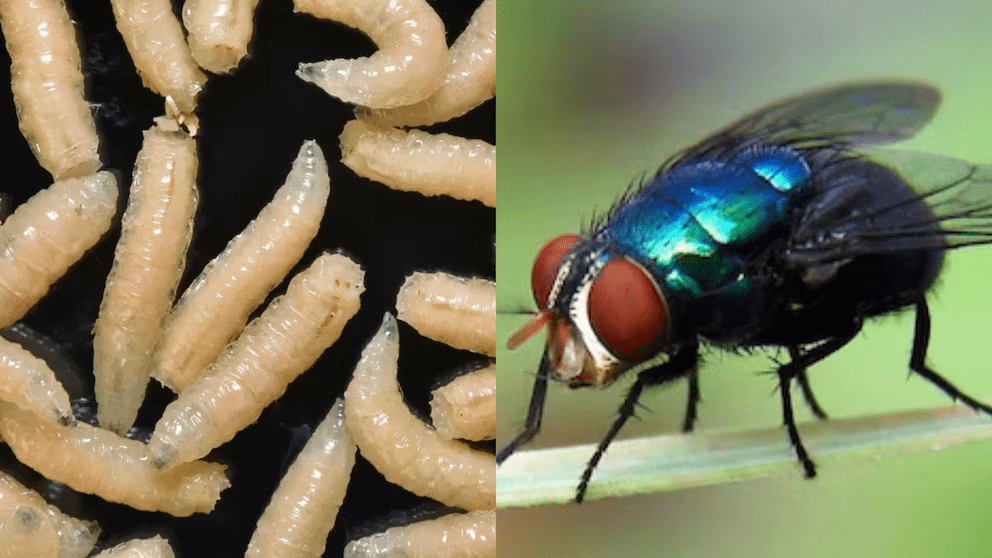
The New World screwworm, scientifically known as Cochliomyia hominivorax, is the larva of a fly that attacks warm-blooded animals. Once adult flies lay their eggs in open wounds, the emerging larvae aggressively feed on living tissue, causing severe and potentially fatal damage. This behavior distinguishes the screwworm from other types of fly larvae, which typically feed on dead tissue and aid in its decomposition, according to the United States Department of Agriculture.
Historically, the presence of the New World screwworm has had a devastating economic impact on North America, compromising the livestock industry. It is estimated that in an outbreak detected in 1976, more than 1.4 million head of cattle in the United States and Mexico were affected. The costs associated with an outbreak include not only animal losses and healthcare expenses but also the implementation of barriers and biological control programs.

How is the New World screwworm transmitted, and what are the symptoms?
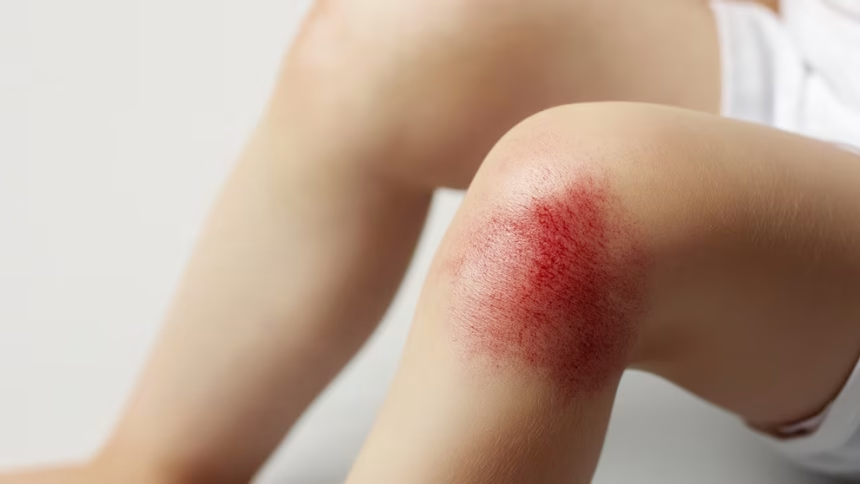
The transmission of the New World screwworm occurs when flies lay their eggs on the edges of wounds in living animals. The larvae infest these wounds, deepening them as they progress, and can cause severe secondary infections. The most exposed animals include livestock, pets, wildlife, and, in some cases, humans. Unusual behavioral patterns such as irritability, isolation from the group, and a distinctive foul odor are key symptoms to watch for.
Treatment for infections caused by the New World screwworm in humans and domestic animals typically requires veterinary or medical procedures to physically remove the larvae. In contrast, strategies for wildlife focus more on eliminating the environment conducive to adult flies by releasing sterile insects.
This method, based on competition between native and sterile specimens, prevents reproduction and eventually reduces the parasite population.

Veterinarians and breeders in prone regions are advised to keep wounds clean and protected, report suspicious symptoms immediately, and avoid self-medication that could delay early detection. In Florida, suspected cases can be reported to the Fish and Wildlife Conservation Commission (FWC) at 888-404-FWCC (3922) or via email at WildlifeHealthTeam@MyFWC.com.
Image: Infobae