

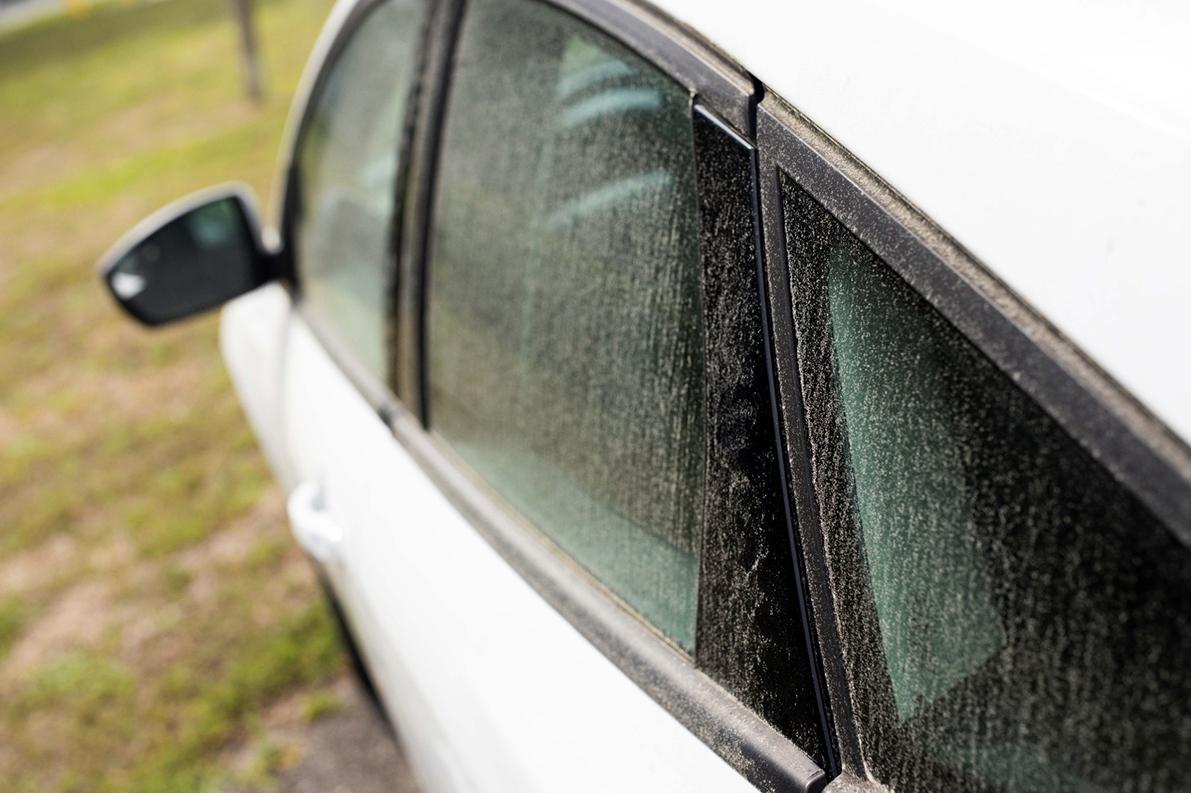
Pollen season is already underway. According to the Centers for Disease Control and Prevention (CDC), 18.8% of Hispanics in the United States suffer from seasonal allergies.
This means you might be sneezing and will need to wash your vehicle to remove that greenish-yellow, dust-like layer coming from plants.

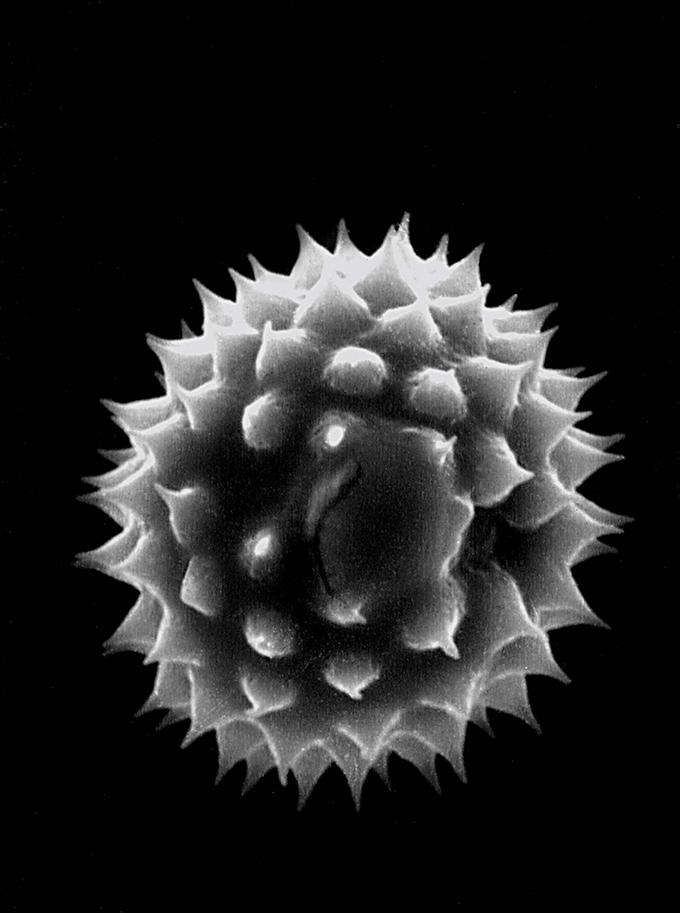
We asked Lynn Barber, Florida-Friendly Landscaping Extension Agent at UF/IFAS in Hillsborough County, and Alyssa Vinson, Extension Agent, to list the most common questions they receive about pollen season and provide their answers to these concerns.
Q: Why does it seem like there’s so much pollen this year?
A: According to various weather forecasts, pollen levels are expected to be higher than normal this year. Pollen rates fluctuate in response to environmental factors like temperature and humidity. In warmer years, trees produce more pollen, with oak, pine, and palm trees being the main contributors this year. The presence of pollen in the air increases with wind and warm weather conditions.
Q: How many people are affected by pollen, and what are the common symptoms of allergic reactions to it?

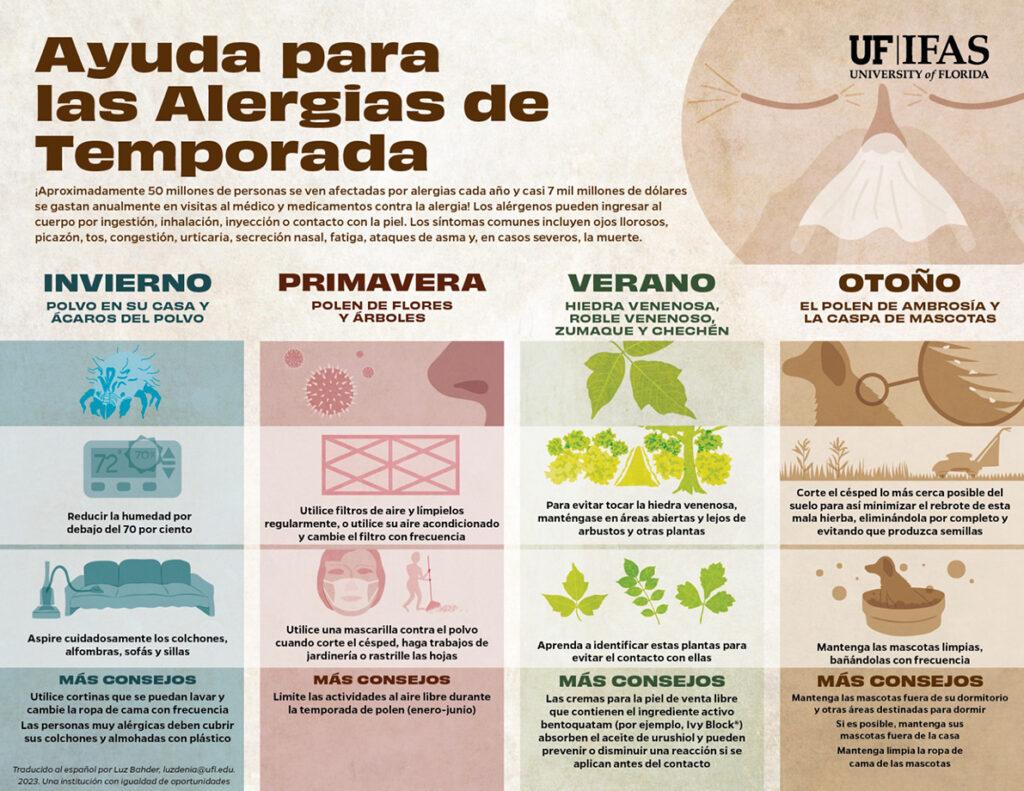
A: According to the CDC, around 50 million people nationwide are affected by allergies each year. These individuals may experience a wide range of symptoms, including watery eyes, itching, coughing, congestion, hives or rashes, runny nose, fatigue, asthma attacks, and in severe cases, death.
Q: Do all flowering plants, including trees, produce pollen?
A: Yes, because pollen is a fundamental part of reproduction. Insect-pollinated plants don’t need to produce as much pollen since insects distribute it efficiently. But plants that don’t rely on pollinators produce more pollen, and the wind carries it everywhere—including onto your car.

Q: How far can pollen travel?
A: Because pollen is light and dry, it can float on the wind and travel several miles.
Q: How can you reduce exposure to pollen?
A: Dry clothes in a dryer instead of hanging them outside. This prevents pollen from accumulating on clothing and being carried into your home. Consider limiting outdoor activities during pollen season (January to June). Stay indoors during peak pollen hours (10 a.m. to 4 p.m.). Shower after spending time outdoors to remove pollen that may be in your hair and on your skin.
Q: What is the source of oak pollen?
A: Oaks have separate male and female flowers, unlike other plants that have both male and female parts in a single flower (perfect flowers). In oaks, the male flower is where pollen is produced.
Q: Why do pollen and leaves fall at the same time?
A: Certain trees retain their leaves through the winter and shed them in the spring to make room on their branches, allowing for reproduction and the growth of new foliage during the spring and summer seasons.
Image: UfIfas





