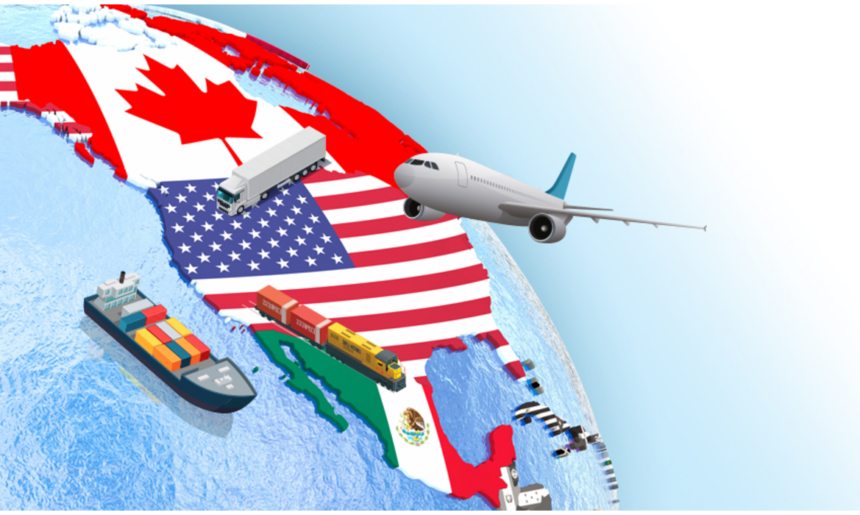
If you thought the USMCA was a “set in stone” agreement, get ready for a shake-up. The upcoming May 25 isn’t just another date on the diplomatic calendar; it’s the day when the two North American powers sit down to decide the economic rules of the game for the next decade. For everyday Hispanics, this isn’t just about suits and briefcases—it’s about the price of avocados at the grocery store, the stability of factories in Monterrey, and the future of thousands of work visas.
Quick Answer: The formal renegotiation of the USMCA, scheduled to begin on May 25, 2026, is required by the mandatory six-year “review clause.” Critical issues will include the automotive industry, digital trade, rules of origin, and energy disputes that have recently strained the bilateral relationship.
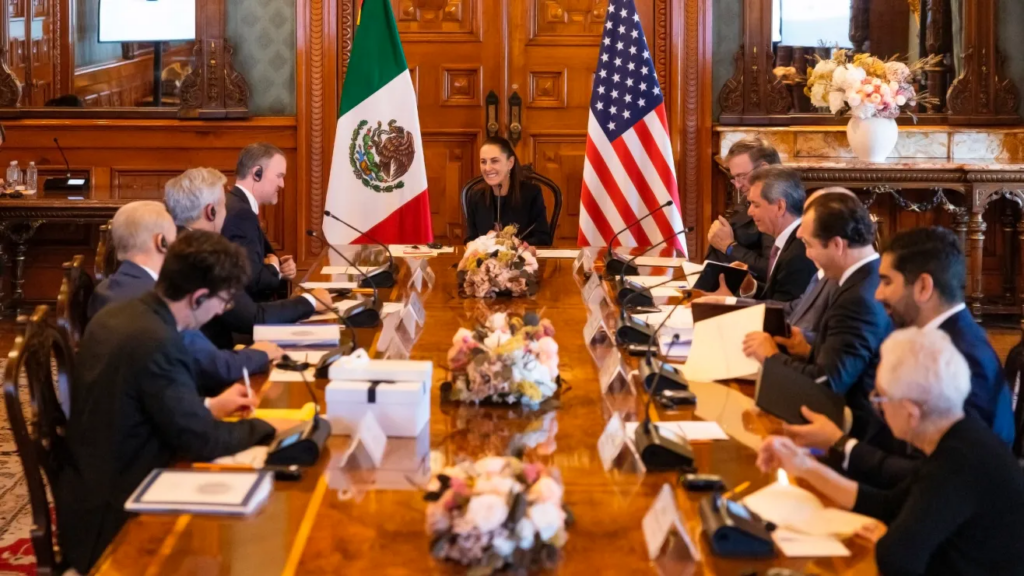
Why Are We Negotiating Now?
The USMCA, which replaced the old NAFTA, includes a rather unique survival clause. It’s not that the agreement expires tomorrow, but it requires the partners (including Canada) to review the deal every six years to prevent it from becoming obsolete.

The truth is, the world in 2026 is not the same as it was in 2020. Between the explosion of artificial intelligence, new environmental regulations, and the nearshoring phenomenon (companies moving to Mexico to be closer to the U.S.), the agreement urgently needed a “software update.”
The Three Pillars That Will Heat Up the Negotiations
- Automotive Rules of Origin: The U.S. wants more parts of a car to be manufactured in the region to curb the advance of Chinese cars trying to enter through Mexico’s “back door.”
- Energy Sovereignty: Mexico is defending its control over resources, while U.S. investors demand clear rules for clean energy.
- Labor Rights: A much stronger spotlight is expected on unions in Mexico to ensure wages rise and there’s no “unfair competition” due to cheap labor.
Impact on the Hispanic Community: Beyond the Numbers
Here’s where it gets interesting. If you live in the U.S. or have family in Mexico, this negotiation affects you directly.
- Jobs: If you work in manufacturing or logistics, changes to the rules of origin could mean more investment in local plants—or, in the worst case, layoffs if companies can’t adapt to the new requirements.
- Cost of Living: A trade war (import taxes) directly translates to you paying more for fruits, vegetables, and appliances.
- TN Visas: While the USMCA focuses on goods, the flow of professionals under TN visa status is always under scrutiny. A good negotiation keeps the doors open; a bad one, shuts them.
Comparison: What Has Changed Since the Last Signing?
| Factor | Situation in 2020 | 2026 Outlook |
| Electric Vehicles | Emerging | Key factor in the negotiation. |
| AI and Data | Not a priority | Central axis of digital trade. |
| China | Commercial rival | Direct “threat” to the supply chain. |
| Wages in Mexico | In adjustment process | Full pressure for alignment. |
The Elephant in the Room: The Influence of Elections
We can’t ignore the timing. With election cycles underway, the USMCA becomes the favorite “political football” for politicians. Some will push for extreme protectionism to win votes in the U.S. Rust Belt, while in Mexico, national sovereignty rhetoric will be front and center.
Does this really benefit the average citizen? The short answer is: it depends on who has the best negotiating team. What’s certain is that on May 25, we’ll start to see whether North America decides to remain a solid bloc or if everyone begins pulling in their own direction.

Tips for Surviving Economic Uncertainty
- Diversify Your Savings: Negotiation periods often bring volatility to the peso-dollar exchange rate. Don’t put all your eggs in one basket.
- Tech Training: The new USMCA will prioritize digital services. If you’re in the service sector, now is the time to learn digital tools.
- Monitor Import Rules: If you run a small business importing products from Mexico, stay alert to changes in tariffs that could be announced after the first rounds in May.
Image: ElHispanoParaTodos/PRESS