Congress Under Scrutiny: Can You Legislate Without Ethics?
Citizens’ trust in their representatives doesn’t fade because of a bad law; it shatters when the halls of power become stages for misconduct. In recent weeks, a series of revelations have put several key figures in the U.S. legislative Congress on the ropes. We’re not talking about mere hallway rumors; we’re talking about accusations that strike at the moral fiber of the nation and have forced the House leader to take decisive action.
- Congress Under Scrutiny: Can You Legislate Without Ethics?
- The Anatomy of the Crisis: A Steady Drip of Accusations
- The Action Plan: How Do You Restore “Dignity” to an Institution?
- The Human Factor: Why This Matters to the Hispanic Community
- The Role of Leadership: Is Rhetoric Enough?
- Conclusion: A Defining Moment for Washington
What’s Really Happening in the U.S. Congress? Currently, multiple allegations of sexual misconduct and abuse of power involving both lawmakers and high-ranking administrative staff are under investigation. The institutional response has been a promise of deep reform to restore dignity to the Capitol, implementing stricter transparency protocols and immediate sanctions for offenders, in order to regain legitimacy with the electorate.

The Anatomy of the Crisis: A Steady Drip of Accusations
This is not an isolated incident. The severity of the current situation lies in its systematic nature. For months, the atmosphere in Washington has felt tense, charged with a pressure that has finally erupted.
Breaking Points in the House
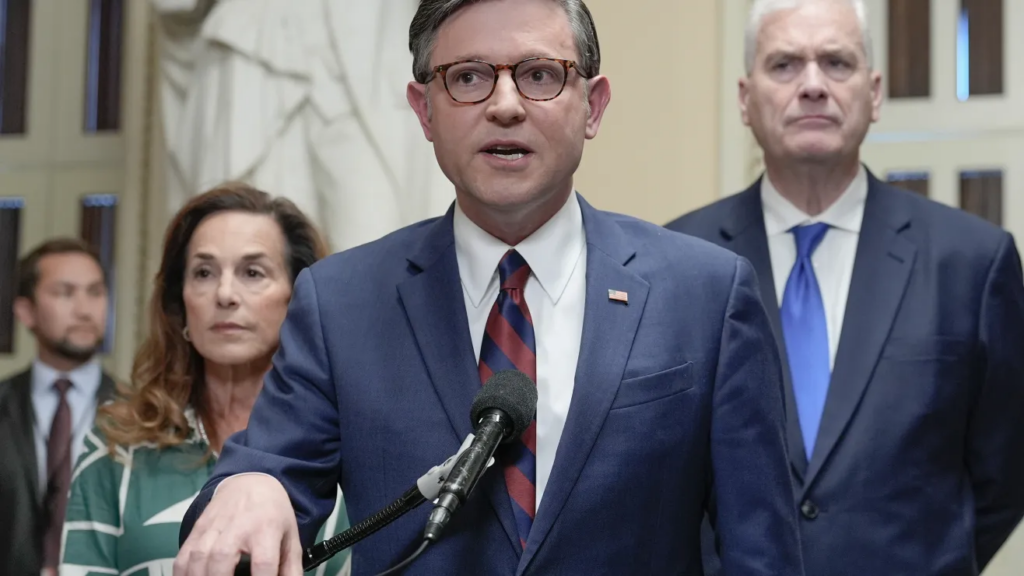
When the Speaker of the House addressed the media, he didn’t do so with the usual political tone. There was a mix of frustration and urgency. The “dignity of the Capitol” isn’t just a nice phrase for the history books; it’s the currency that makes democracy work.
- Misuse of public funds: An investigation is underway to determine if state resources were used to silence previous complaints (the infamous “confidentiality agreements” paid for by taxpayers).
- Culture of silence: A power dynamic where interns and staffers fear reporting misconduct due to potential career retaliation.
- Lack of oversight mechanisms: The perception that lawmakers police themselves, which, let’s be honest, rarely results in real justice.
The Action Plan: How Do You Restore “Dignity” to an Institution?
Restoring honor isn’t achieved with a speech. The House leadership has outlined a roadmap that, if implemented, would change the rules of the game forever.
Proposed Structural Reforms
Below, we break down the measures on the table that promise to shake the foundations of Washington:

| Proposed Measure | Main Objective | Impact on Citizens |
| Audit of Settlement Funds | Eliminate the use of public money for private settlements. | Total transparency in tax spending. |
| Independent Ethics Committee | Have individuals outside Congress judge cases. | Greater impartiality and an end to “old-boy networks.” |
| Anonymous Reporting Protocols | Protect victims from retaliation. | Encourages more hidden cases to come to light. |
| Automatic Expulsion | Clear criteria for removing lawmakers with solid evidence against them. | Immediate cleanup of public representation. |
“The Capitol is the temple of our democracy, not the playground for those who confuse public service with personal privilege. If we don’t clean house now, the people will send us the bill at the ballot box.” — A recurring reflection in the halls of Washington.
The Human Factor: Why This Matters to the Hispanic Community
You might think: “This is high-level politics; it doesn’t affect my daily life.” But the reality is different. The Hispanic community in the United States depends on a functional Congress to make progress on issues like immigration, health, and the economy.
If lawmakers are busy managing their own scandals and defending themselves in ethics proceedings, the legislative agenda stalls. A Congress paralyzed by shame is a Congress that doesn’t pass immigration reforms, doesn’t legislate in favor of small businesses, and wastes time on internal investigative committees instead of serving the people.
The Role of Leadership: Is Rhetoric Enough?
The current House leader finds himself in a precarious position. On one hand, he must protect his party’s image; on the other, social pressure is unsustainable. Demanding the “return of dignity” is a bold move, but also a risky one. If no resignations or exemplary sanctions occur in the coming weeks, these words will be recorded as another failed public relations attempt.

What Obstacles Does the Reform Face?
- Polarization: Often, a scandal is used as a political weapon, causing the truth to get lost amid attacks from the left and right.
- Internal Resistance: There are veteran lawmakers who resist losing the privileges and opacity they’ve enjoyed for decades.
- The News Cycle: The speed at which everything happens today often buries these scandals under the next big story, allowing those responsible to remain in their positions.
Conclusion: A Defining Moment for Washington
We are at a turning point. The outrage isn’t just about the acts committed, but about the sense that the rules don’t apply equally to everyone. The real test for the Capitol won’t be the House leader’s speech today, but how many heads roll tomorrow and what laws are changed to ensure this doesn’t happen again.
Dignity isn’t returned; it’s earned through actions. And as citizens, our job is to keep the pressure on until transparency becomes the norm, not the exception.
Image: ElHispanoParaTodos/PRESS