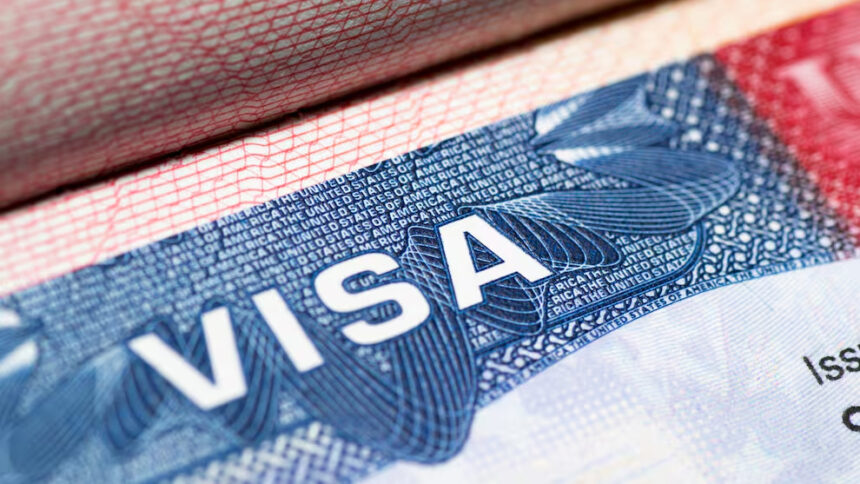
Express visas: Starting July 1, the State Department will implement a pilot program allowing travelers for tourism and business to expedite their consular interview by paying an additional fee.
If you’re planning to travel to the United States but are discouraged by the long waitlist for visa processing, there’s a new alternative. The U.S. government has announced a temporary premium service that will allow applicants to skip the waiting lines—which in some countries exceed a year—and secure a consular interview within a maximum of 10 business days.

What’s the cost of this fast track? An additional USD 750 on top of the usual fee.
Here’s everything you need to know about this new measure and who it benefits.
How does the new express service work?
This fast lane is designed to alleviate the current backlog at consulates worldwide and targets specific categories:
- Applies only to B-1 and B-2 visas: That is, those traveling strictly for tourism or business purposes.
- Total cost of USD 935: The mandatory base fee of USD 185 plus the USD 750 premium add-on.
- Limited slots: To avoid harming those in the regular queue, each embassy and consulate will have a daily cap on express visa appointments. The list of participating consulates will be published on the official site travel.state.gov before the program begins.
What you should consider before paying
It’s crucial to understand that paying this substantial sum of money does not guarantee visa approval. The process, questions, and rigor of the evaluation by the consular officer will remain exactly the same; the fee is solely to expedite the wait time for the interview.

Additionally, the USD 750 payment is non-refundable. If you cancel or fail to attend the interview, you will lose the money. (It’s worth noting that real medical or humanitarian emergencies will continue to have their own channels for urgent appointments without needing to pay this extra fee.)
Why did the consular system collapse?
This program comes at a critical time of “bottleneck” in immigration processing. According to immigration law firms, a series of policy changes between 2025 and 2026 created this scenario:
- Fewer interview waivers: The allowed time to renew a visa without an interview was reduced from 48 to just 12 months, forcing thousands of applicants with good records to rejoin the in-person queue.
- End of third-country processing: The “release valve” that allowed many foreigners to travel to Canada or Mexico to process their visas more quickly was closed.
- Strict social media review: Consular officers now spend much more time evaluating applicants’ “digital footprint” and social media profiles, making each process slower.
- Reduction in operational centers: In regions like Africa, the number of processing centers dropped from nearly 50 to just 20.
How long will the service be available?
The State Department has classified this measure as a “pilot program” that will remain in effect until December 31, 2026. During these months, the U.S. government will evaluate demand, efficiency, and the impact on its operations before deciding whether to extend, cancel, or make it permanent.