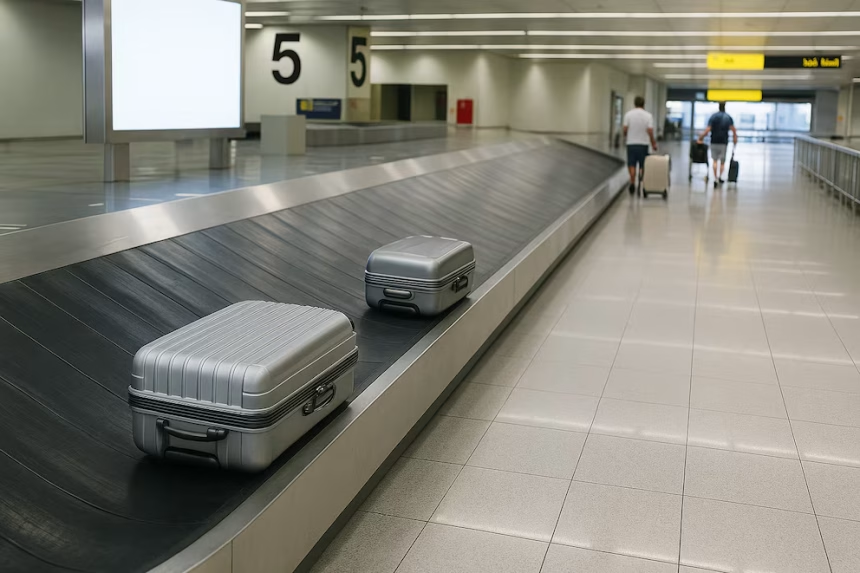
According to an analysis published by Miami New Times, Miami International Airport (MIA) was named the worst in the world for lost luggage. The evaluation, conducted by California-based packaging company Arka, revealed that MIA loses approximately 306 suitcases per million flights, which translates to around 5.5 bags for every 1,000 passengers passing through the airport.
The airport’s importance in total passenger volume was one of the factors considered in the study.

The study’s authors tracked online searches related to “lost and found” services, adjusting the figures to reflect the number of searches per million passengers, as described by Travel + Leisure. This method aimed to ensure fair comparisons among the different airports evaluated.
In the global ranking, O’Hare International Airport in Chicago took second place, followed by Changi International Airport in Singapore in third, and Denver International Airport in fourth. MIA authorities have faced several unfavorable rankings in recent years, and this new report highlights the current challenges in improving the user experience.
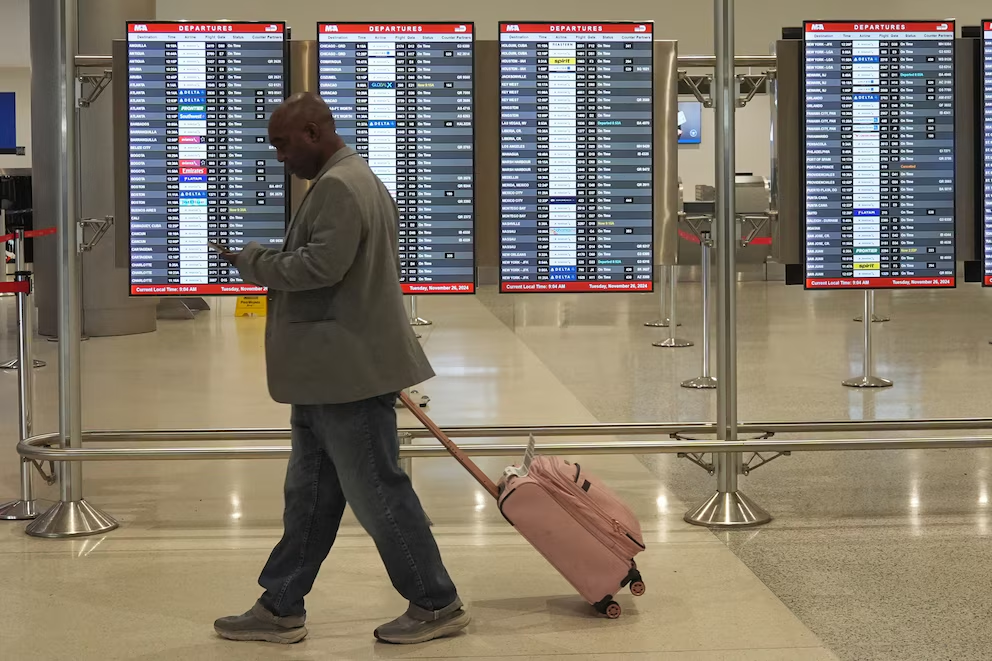
The impact on travelers and recommendations from Arka
A spokesperson for Arka explained in the report’s context that “losing luggage can quickly ruin a trip, and some airports struggle more than others with baggage handling.” Additionally, the company recommended that passengers pay close attention to these indicators when planning their trips and emphasized the importance of taking extra precautions to avoid setbacks during their travels, as reported by Miami New Times.
The document, according to Travel + Leisure, provided details on the methodology used to obtain the results. In addition to passenger volume, the variable of online searches for lost and found services was key to framing the issue quantitatively and distinguishing between locations with greater or lesser difficulties in handling lost luggage.

MIA: Record passenger numbers and rapid growth context
Despite the challenge of lost luggage, MIA remains the primary air travel hub connecting the United States with Latin America and the Caribbean. According to 2024 data released by the airport and reported by Miami New Times, total passenger traffic reached 56 million, up from 52 million the previous year.
Additionally, the airport’s growth has been steady since the COVID-19 pandemic. A statement issued in February by Miami-Dade County highlighted that MIA continues to be the “fastest-growing mega airport” in the United States, with flight seat capacity increasing by 24% in 2024 compared to 2019.
Renovations and reputation: Billion-dollar investments and controversies
Part of the strategy to address growing demand and improve the passenger experience includes an ambitious $9 billion renovation project. This plan includes new boarding areas, such as Concourse K, walkway repairs, and general terminal upgrades. These efforts aim to strengthen infrastructure and modernize the facility, as reported by Miami New Times.

However, the airport has frequently been the target of negative rankings.
MIA has been ranked as the worst domestic airport for on-time morning flight departures, as well as in categories related to Thanksgiving travel and flight connections. The magazine Global Traveler even recently placed it first as the preferred airport for layovers, a distinction that was dismissed by travelers surveyed by Miami New Times, who called the recognition a “joke” and described the airport as a “third-world airport.”
The numbers and reputation of Miami International Airport continue to spark analysis and debate about the challenges of airport management amid rapid growth. The latest report on lost luggage adds a new element to the discussion about efficiency and service quality at one of the continent’s main air travel hubs.
Image: Infobae