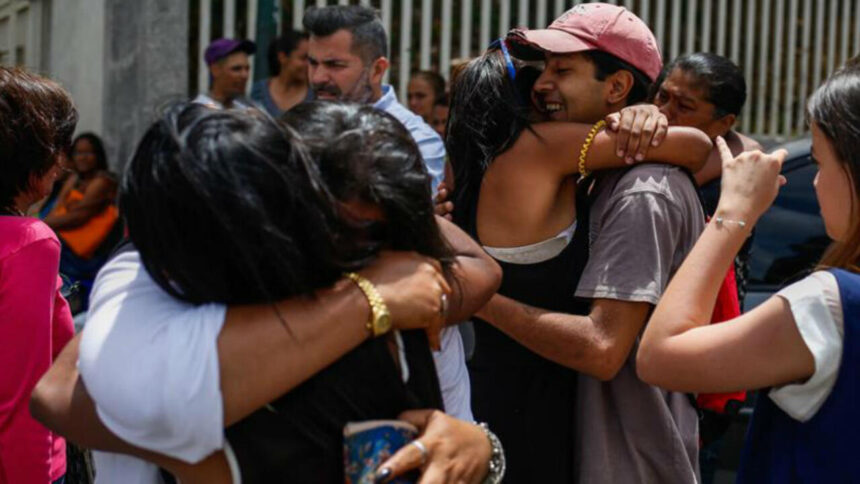
The news shaking Venezuela and the international community this January 8, 2026 is the release of a significant group of political prisoners, a move occurring amid extreme diplomatic pressure and behind-the-scenes negotiations following last year’s electoral and judicial events.
The Thaw Behind Bars: A Breath Amid the Storm
In the last 48 hours, the doors of emblematic detention centers like El Helicoide and Yare III have opened for a group of citizens who remained behind bars for reasons of conscience. This release is not an isolated event; it comes just weeks after the international narrative on the legitimacy of Maduro’s government took a drastic turn following judicial events in New York.

While official figures are still fluctuating, organizations like the Venezuelan Penal Forum confirm that the releases include both long-standing political figures and young people detained during the post-election protests of 2024. However, families’ joy is mixed with caution: most of these releases come with precautionary measures (a travel ban and periodic court appearances).
The recent release of political prisoners in Venezuela, which began this week, has benefited between 40 and 60 people, including key figures from civil society and protesters. Analysts interpret this move as a bargaining chip by the government in response to new U.S. sanctions and Nicolás Maduro’s ongoing trial abroad, aimed at easing international pressure.
Who Has Been Released? (Key Profiles)
Unlike other processes, this batch of releases appears to be “curated” to send specific messages to different sectors.
- Human Rights Activists and NGOs: Individuals who served as bridges to international organizations. Their release aims to reduce the intensity of UN reports.
- Young Protesters: Many of those detained during the July and August 2024 protests, whose arrests sparked strong backlash among the grassroots population.
- Regional Political Figures: Council members and community leaders who hold influence on the ground but do not pose a direct threat to central control.
The Geopolitics Behind the Announcement: The “Exchange” Factor
Why release prisoners now? The answer lies not in Caracas but in international diplomacy.

- The Shadow of New York: With Maduro’s judicial process advancing in the United States, the Venezuelan government seeks to demonstrate “flexibility” and respect for human rights to influence public and legal perceptions of the case.
- The Doha/Barbados Dialogue: Rumors suggest high-level envoys have held meetings in neutral countries. The release of prisoners is historically the first card Venezuela plays to request the lifting of specific sanctions on the oil sector.
- The Revolving Door: Experts warn this is the “revolving door” phenomenon: 50 are released today, but another 50 may be arrested tomorrow for similar reasons. The total number of political prisoners in Venezuela remains one of the highest in the region.
Table: Political Prisoners Situation (January 2026)
| Category | Previous Situation | Current Status |
| Civilians | +250 detained | ~50 released with restrictions. |
| Military | +150 detained | No significant changes (few releases). |
| Adolescents | Critical cases reported | Most released under guardianship. |
| Legal Status | No trial / Procedural delays | Alternative measures to detention. |
The Uncomfortable Truth: Full Freedom or Conditional Release?
“A release with a ban on speaking to the media and an obligation to appear in court every 15 days is not freedom; it’s a prison without walls. The world must not be fooled by gestures that only seek economic relief while the repressive structure remains intact.” — Editorial, El Hispano Para Todos.