Three key partners and allies of the United States recognize Palestine as a state, but the government of President Donald Trump opposes such a position, while defending Israel’s military escalation in Gaza and demanding the release of hostages by Hamas.
“Canada recognizes the State of Palestine and commits to collaborating to build a peaceful future for both the State of Palestine and the State of Israel,” Canadian Prime Minister Mike Carney announced on Sunday. “This decision is part of a coordinated international effort to preserve the possibility of a two-state solution. While Canada does not believe this recognition is the definitive solution, this gesture firmly aligns with the principles of self-determination and fundamental human rights, enshrined in the United Nations Charter, and with Canada’s consistent policy over the past decades.”

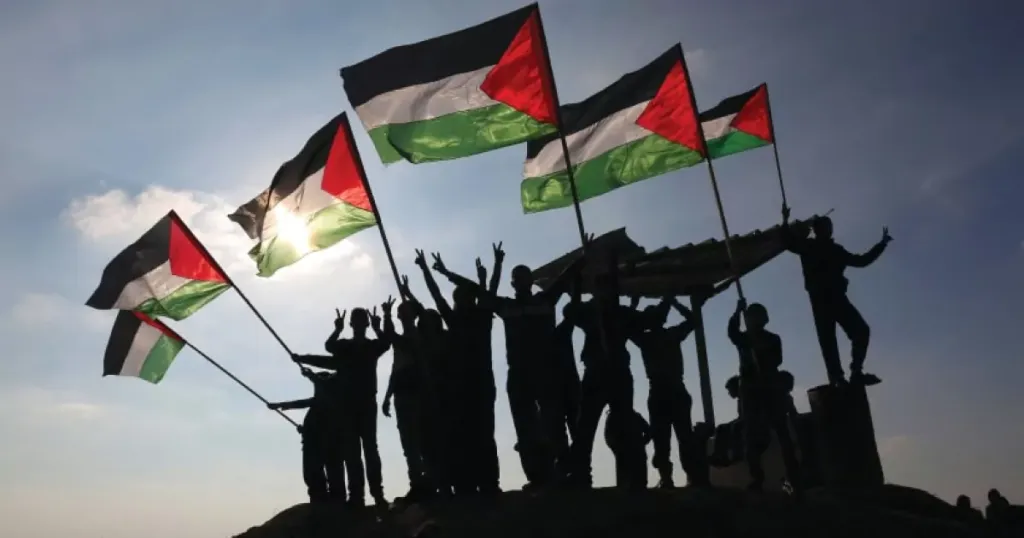
The United Kingdom and Australia also expressed their support for recognizing Palestine, defying the Trump administration’s stance and drawing criticism from the Israeli government.
“Today, with the aim of revitalizing hope for peace for Palestinians and Israelis and advancing the two-state solution, the United Kingdom formally recognizes the State of Palestine,” British Prime Minister Keir Starmer stated in a Sunday announcement.
Australian Prime Minister Anthony Albanese also issued a statement of support.
“The State of Palestine, independent and sovereign, is recognized,” he said.
Israeli Prime Minister Benjamin Netanyahu stated that such recognition and support from the United Nations poses a danger to his nation.

“We will have to fight both at the UN and in other forums against the false propaganda against us and the demands for the creation of a Palestinian state, which would endanger our existence and be an absurd reward for terrorism. The international community will hear our position on this matter in the coming days,” he said in a statement.
U.S. Secretary of State Marco Rubio had a phone call with the Canadian prime minister, where they discussed “the need to overcome Hamas’s continued obstruction of peace in Gaza,” the U.S. government reported.
Hamas praised the decision, calling the stance of Australia, Canada, and the United Kingdom a form of support for the sacrifices of its people “in the pursuit of liberation and return.”

Recognition of a Palestinian state is symbolic but allows its representatives greater diplomatic recognition and the ability to sign agreements as the UN General Assembly advances.
The Trump administration suspended visas for Palestinian officials to attend the UN, where they will be represented only by their diplomatic mission.
Recognition of Palestine does not end the attacks in Gaza, where more than 65,000 people have died, including over 20,000 children, due to Israeli bombings and the blockade on humanitarian aid.
The Global Sumud Flotilla
With food and other humanitarian aid, the Global Sumud Flotilla, consisting of 40 ships, is approaching Gaza. One of its ships was attacked by a drone, but there were no injuries or deaths.
The Israeli government opposes the flotilla, but the foreign ministers of 16 countries urged Prime Minister Benjamin Netanyahu’s government not to attack it.
“The Global Sumud Flotilla has communicated its goal of delivering humanitarian aid to the Gaza Strip and raising awareness about the urgent humanitarian needs of the Palestinian people and the need to end the war in Gaza,” several countries stated in a joint announcement last week.
Among the signatories are Bangladesh, Brazil, Colombia, Indonesia, Ireland, Libya, Malaysia, Maldives, Mexico, Pakistan, Qatar, Oman, Slovenia, South Africa, Spain, and Turkey.
Image: Opinion