
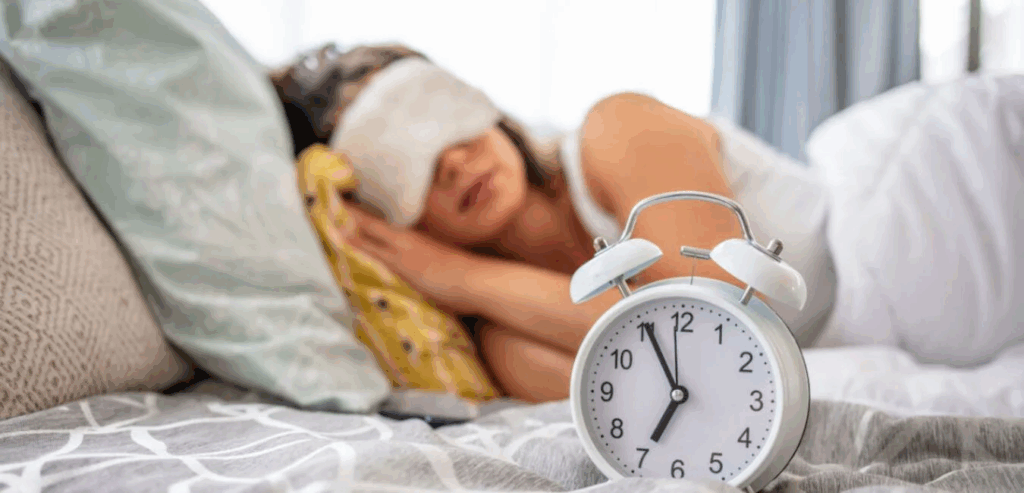
You sleep but don’t rest! Not being able to sleep well leads to multiple problems and significantly affects your quality of life. This can happen for many reasons, and it’s important to understand them.
Here, we show you the physiological and cognitive consequences of not sleeping well, as well as the risks to your health and personal safety.

But the main point is that people need to understand that not getting enough sleep is harmful and definitely impacts your well-being.
Consequences of Not Sleeping Well
Chronic fatigue. This is one of the main consequences of not sleeping well. It’s a condition characterized by persistent physical and mental exhaustion, disrupting cellular repair processes. If you don’t get enough sleep, the processes of cell repair and regeneration are interrupted, and people could even suffer from hormonal imbalances, according to the Bupa Salud portal.
Loss of cognitive skills. Memory and concentration deteriorate, with a risk of developing neurodegenerative diseases like Alzheimer’s. Sleep deprivation negatively affects the brain, potentially even interfering with academic or work performance.
Reduced physical performance. It causes difficulty in muscle recovery, tissue repair, cell regeneration, and an increase in general weakness.

Risk of accidents. When you’re exhausted from not sleeping well, you run the risk of accidents. There’s a decrease in concentration and reaction times, increasing the potential for injuries in everyday activities.
Depression and anxiety. Sleep deprivation causes chemical imbalances in the brain that can lead to mood disorders.
Risk of cardiovascular diseases. This is one of the most concerning problems caused by lack of sleep and is one of the leading causes of death worldwide.

Weakened immune system. During sleep, the body releases cells that help fight infections and diseases. If this process is interrupted, an imbalance occurs.
Chronic diseases. Increased risk of diseases like type 2 diabetes, high blood pressure, and obesity.
Premature aging. Generally, people who have a poor relationship with sleep and rest little tend to have skin problems, such as wrinkles, loss of elasticity, and the appearance of spots.
Strategies to Improve Sleep Quality
There are countless strategies to achieve better sleep and avoid insomnia. Here are just a few recommendations:
Establishing sleep routines. Setting consistent times for going to bed and waking up.
Limiting screen exposure. Reducing the use of electronic devices before bed is recommended to improve sleep quality.
Avoiding stimulants. Reducing caffeine and stimulant consumption at least 6 hours before bedtime.
Sleep Needs by Age
The differences in sleep needs between adults and children affect several important aspects, both in quantity and quality, with implications for development, behavior, and overall health.
Children require significantly more hours of sleep than adults. For example, newborns sleep between 14 and 17 hours a day, and school-age children between 9 and 12 hours. In contrast, adults generally need between 7 and 9 hours per night, while older adults need less than 7 hours.
Regarding the sleep cycle, children have a higher percentage of REM sleep (the light sleep phase where vivid dreams occur), which can take up to 50% of their sleep cycle, while in adults, this percentage is around 20%. Additionally, children’s sleep cycles are shorter (45-50 minutes) compared to adults (90 minutes). In adults, REM sleep decreases with age, affecting sleep quality.
On the other hand, sleep is crucial for physical and cognitive development in children, as the body releases growth hormones and strengthens the immune system during sleep. Lack of sleep in children can manifest as hyperactivity, attention problems, behavioral disorders, and learning difficulties. In adults, lack of sleep usually causes irritability, drowsiness, and poor performance.
Finally, children’s sleep patterns include more naps and more fragmented sleep, while adults tend to have more consolidated and continuous sleep. Adapting sleep routines to these differences is key to good rest and well-being at both stages of life.
Image: Opinion