


Six states in the United States will implement new restrictions starting in 2026 that will prevent the purchase of certain ultra-processed foods using funds from the Supplemental Nutrition Assistance Program (SNAP), a federal initiative known for providing food assistance to low-income families and individuals. The measure, announced on August 4 by the U.S. Department of Agriculture (USDA), affects beneficiaries in Texas, West Virginia, Florida, Colorado, Louisiana and Oklahoma.
- What foods will be banned under the new SNAP restrictions?
- Which states ban the purchase of junk food with SNAP?
- Why is the junk food restriction in SNAP being approved?
- What is SNAP and how many people does it benefit in the United States?
- When will the junk food restrictions in SNAP take effect?
- How does the junk food ban with SNAP affect beneficiaries and retailers?
The government authorization was formalized through the approval of state waivers requested by these local governments. Agriculture Secretary Brooke Rollins stated that the intention is for federal resources to promote food choices considered healthy, while also supporting the federal management of the SNAP program, an instrument protected by current agricultural legislation in the United States. This set of restrictions covers approximately 8.5 million beneficiaries of the program in the six mentioned states.

Oversight of purchases made with SNAP, a program based on the Food and Nutrition Act, has been a recurring topic of debate since its creation in 1964. U.S. governments have promoted, across different administrations, modifications and adaptations based on budgetary, health, or social priorities. Currently, more than 40 million people access SNAP in the country, a figure representing a significant proportion of households facing food insecurity.
What foods will be banned under the new SNAP restrictions?
The initiative will allow the six states to limit the purchase of certain products classified as junk food. Among the affected foods are sodas, energy drinks, candy, and prepared desserts, though the exact list varies by jurisdiction. In Texas, the restriction will apply to sodas, energy drinks, candy, and industrial desserts; in Louisiana, the purchase of sodas, energy drinks, and candy will be prohibited. Colorado and West Virginia will limit restrictions exclusively to sodas.
This change operates through electronic purchase processing systems called Electronic Benefit Transfer (EBT), mechanisms that receive federal funds each month for food purchases at authorized retail points. The USDA confirmed that the modifications will take effect starting in 2026, maintaining the current structure for beneficiary families in the meantime.
The granting of state waivers is carried out within the legal framework that allows states to adapt the local operation of federal food programs, as long as they have the approval of the central government. The waivers aim to tailor the allowed shopping list to the specific priorities and conditions of each state.

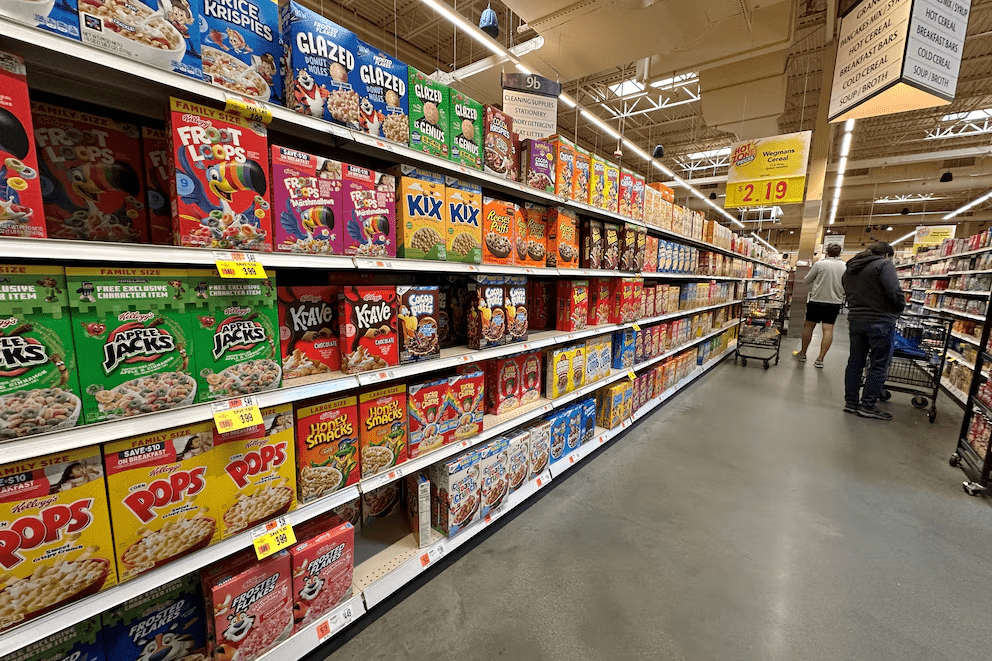
Which states ban the purchase of junk food with SNAP?
With the recent decision, the list of states authorized by the USDA to restrict SNAP purchases reaches 12 jurisdictions. In addition to the six states mentioned in the August 2025 resolution, Arkansas, Idaho, Indiana, Iowa, Nebraska and Utah were added in the first months of the year.
The measure has an immediate impact on state administrative mechanisms, while beneficiaries will notice the changes at the time of purchase. All states must communicate the list of prohibited products well in advance of the effective date.
Why is the junk food restriction in SNAP being approved?
The federal administration explained that the decision is part of the “Make America Healthy Again” strategy, promoted by the current presidency to encourage better nutritional habits and curb the rise of metabolic diseases. “For years, SNAP benefits have been used to purchase products that contribute to the epidemic of chronic diseases in the country,” stated Health and Human Services Secretary Robert F. Kennedy Jr., referring to the high consumption of sugars and processed foods. For Kennedy Jr., “these measures put real food at the center of the program and empower states to lead public health protection.”

The federal vision is echoed by state authorities. Texas Governor Greg Abbott stated in an official press release that the measure “seeks to promote better eating habits among the population” and that the waiver will allow “innovation in policies so that Texans can achieve a healthy and productive life.”
What is SNAP and how many people does it benefit in the United States?
The Supplemental Nutrition Assistance Program (SNAP), formerly known as “food stamps,” addresses food security needs for low-income households in the United States. Nearly 42 million citizens access this program, which provides monthly electronic transfers for grocery purchases at authorized supermarkets.
The number of beneficiaries includes nearly one in eight residents, with higher concentrations in urban areas and regions with high poverty levels. According to federal government figures, annual spending on the program exceeds $110 billion and constitutes the country’s primary food safety net.
When will the junk food restrictions in SNAP take effect?
Until the start of 2026, families and individuals covered by SNAP will continue under the current rules, without additional restrictions. States will have until the end of 2025 to coordinate the updating of point-of-sale systems and control and dissemination mechanisms for users.
Supermarkets, convenience stores, and other participating retailers must adapt their terminals to the new regulations governing products authorized for purchase with EBT, in accordance with state guidelines issued under federal supervision. The USDA has specified that it will conduct periodic monitoring of the implementation and compliance with the changes, as well as surveys on purchasing behavior after the restrictions take effect.
How does the junk food ban with SNAP affect beneficiaries and retailers?
The new regulations primarily impact SNAP beneficiaries in the six states covered by the resolution, as well as retailers and suppliers that receive these funds. At the federal level, the measure is part of a trend that strengthens states’ power to define public food policy and adjust the use of federal funds according to their local needs and priorities.
The government will monitor the implementation of these measures and analyze their impact on the nutritional health of participants and access to fresh and processed products. Affected SNAP users will have access to institutional information about changes in authorized products and will receive guidance on adapting their shopping routines starting next year.
Image: Infobae





