


Hurricane Helene has left a devastating mark on the southeastern United States, causing over 130 deaths and widespread destruction.
At least 500 people are also reported missing in its wake across the U.S.

It reached Category 4 as it made landfall in Big Bend, Florida, on Thursday night, with winds of 140 mph (225 kph). States like North Carolina and Florida are facing massive power outages and communication failures; rescue teams are struggling to deliver supplies to the hardest-hit areas.
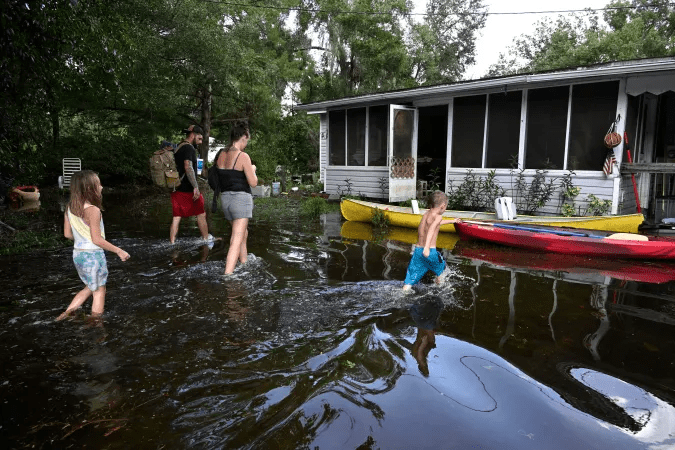
Hurricane Helene has wreaked havoc in the southeastern United States, leaving over 130 dead and isolating several cities in North Carolina after catastrophic flooding.
Helene has left at least 130 dead in Florida, Georgia, South Carolina, North Carolina, Virginia, and Tennessee. Power outages in the hardest-hit states have dropped to fewer than 2 million, reported Fox Weather.
This extreme weather event has highlighted the vulnerability of communities to natural disasters of this magnitude.

Impact on the Region
- Dead and Missing: The death toll continues to rise, with many people reported missing and others trapped without shelter.
- Widespread Destruction: In Georgia, Governor Brian Kemp described the devastation as if “a bomb had exploded,” with homes destroyed and roads filled with debris.
Key aspects of the disaster:
- Intensity: Helene reached Category 4, resulting in extremely strong winds and significant destructive power.
- Wide affected area: The hurricane impacted several southeastern states, including Florida, Georgia, and the Carolinas, leaving a trail of destruction in its path.
- Human losses: The number of fatalities is high and is expected to rise as search and rescue efforts continue.
- Infrastructure destruction: Homes, roads, and other infrastructure have suffered severe damage, leaving many people homeless.
- Isolation of communities: Flooding and landslides have isolated numerous communities, complicating relief and rescue efforts.
- Economic impact: Economic losses will be substantial, both from property damage and the disruption of economic activities.
Long-term consequences:
Climate change: Hurricane Helene serves as a reminder of the impacts of climate change, which is intensifying extreme weather events.
Slow recovery: Recovery in the affected areas will be a long and complex process, requiring significant investments and reconstruction efforts.
Vulnerability: This event underscores the need to improve early warning systems and emergency plans to address increasingly frequent and intense extreme weather events.

Residents like Janalea England, from Steinhatchee, Florida, have seen an alarming rise in the number of homeless people. She has turned her fish market into a donation center to help those affected.
Ongoing Disaster
As Helene moves toward the Carolinas and Tennessee, torrential rains have caused rivers and streams to overflow, testing dam infrastructure. Western North Carolina has been cut off due to landslides and flooding, forcing the closure of Interstate 40 and other roads.
Response and Recovery
The situation continues to evolve, with rescue and relief efforts underway. The community faces a long recovery process as teams work to restore services like electricity and road access. Solidarity among neighbors is crucial at this critical time, with donations and aid being organized for those who have lost their homes.
Image: DiarioNY





