

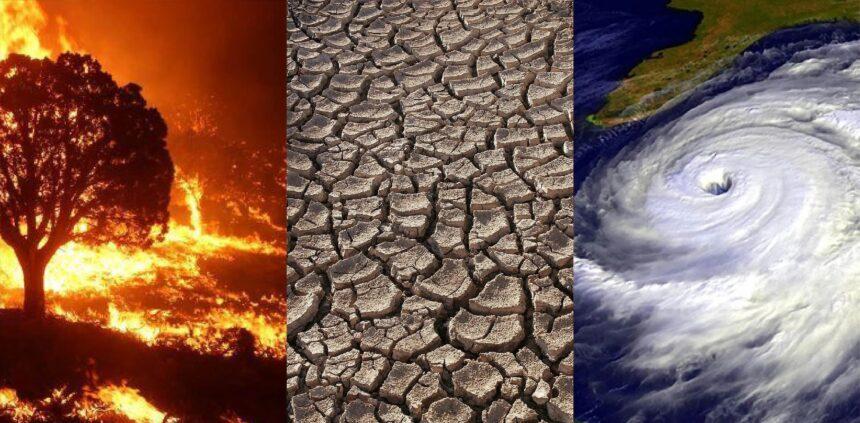
Florida is currently facing a dual weather threat: persistent extreme heat and the imminent 2025 hurricane season, for which above-average activity is forecast.
- Florida is currently facing a dual weather threat: persistent extreme heat and the imminent 2025 hurricane season, for which above-average activity is forecast.
- Current and Forecast Extreme Heat:
- Outlook for Summer 2025:
- Impacts and Warnings:
- 2025 Hurricane Season:
- Key Factors:
- Risk for Florida:
- Recommendations and Preparedness:
Florida faces very real threats from extreme heat and hurricanes during the Atlantic hurricane season, which lasts six months from June 1 to November 30.

Current and Forecast Extreme Heat:
Florida is experiencing a brutal heatwave in May, with temperatures near record levels in several parts of the state.
Current Conditions:
South Florida: Highs near 90°F (approximately 32°C) are expected, with a heat index that could reach 100°F (approximately 38°C) or higher due to high humidity. Swimmers are urged to exercise caution due to the extreme UV index.
Central Florida: Temperatures in the mid to high 90s°F (approximately 35−37°C) are forecast, with heat indexes potentially reaching 100−105°F (approximately 38−41°C). This is considered a rare heatwave for May, with several consecutive days of temperatures above 95°F.

Northeast Florida: Highs in the mid to high 90s°F (approximately 35−37°C) are expected through May 21, with heat indexes around 100°F (approximately 38°C). Temperature records have already been broken in cities like Tallahassee and Jacksonville over the previous weekend.
Southwest Florida: Temperatures in the high 80s to high 90s°F (approximately 31−37°C) are expected, with heat indexes potentially reaching 100−105°F (approximately 38−41°C).
Outlook for Summer 2025:
Early forecasts for the summer of 2025 indicate another season of intense heat and humidity across much of the state.

The “Old Farmer’s Almanac” predicts a hot and dry summer for Florida, though the southern part of the state may experience cooler and rainier conditions.
Impacts and Warnings:
Heat index warnings have been issued, and residents are urged to take precautions.
The combination of extreme heat and dry conditions could worsen drought in some areas.
There is a moderate to severe risk of heat stress in several zones.
2025 Hurricane Season:
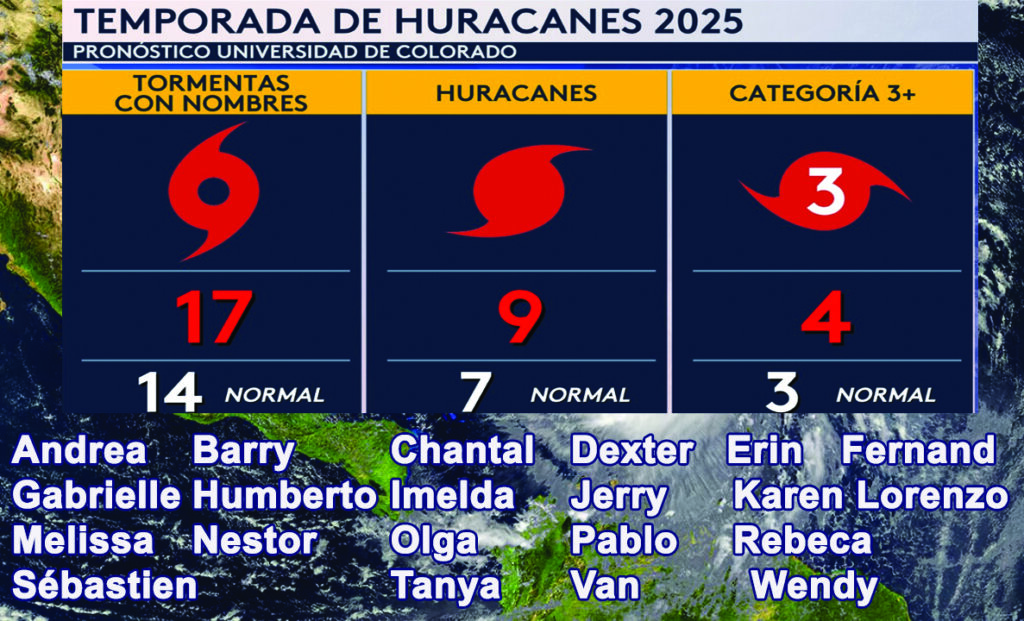
The Atlantic hurricane season, which officially begins June 1 and runs through November 30, is expected to be more active than normal in 2025, posing a significant risk to Florida.
Forecasts:
Climate Adaptation Center (CAC): Predicts 17 named storms, including 10 hurricanes and 5 major hurricanes (Category 3 or higher). They attribute this activity to record-warming ocean temperatures.
Colorado State University (CSU): Forecasts 17 named storms, 9 hurricanes, and 4 major hurricanes. They estimate that seasonal activity will be approximately 125% of the 1991-2020 average.
AccuWeather: Predicts between 13 and 18 named storms, of which 7-10 would be hurricanes and 3-5 major hurricanes. They warn about the possibility of rapid storm intensification.
Key Factors:
Ocean temperatures: Unusually warm waters, both globally and in the Atlantic and Gulf of Mexico, provide the fuel needed for stronger and more frequent storms. The depth of these warm waters in the Gulf is particularly concerning, as it can allow for rapid storm intensification.
ENSO (El Niño-Southern Oscillation): A transition from weak La Niña conditions to ENSO-neutral is expected, with little chance of a significant El Niño, which would normally suppress Atlantic hurricane activity.
Other factors: A persistent warm phase of the Atlantic Multidecadal Oscillation (AMO) and below-average wind shear also favor storm development.
Risk for Florida:
Florida is considered a high-risk zone.
The east coast of Florida, including the peninsula, has a 26% chance of a direct hit from at least one major hurricane (historical average of 21%).
The Gulf Coast, from the Florida Panhandle west to Brownsville, Texas, has a 33% chance of a direct hit from a major hurricane (historical average of 27%).
There is particular concern about hurricanes that could occur during the hottest months, like July, as power outages could leave residents without air conditioning, exacerbating health risks.
Recommendations and Preparedness:
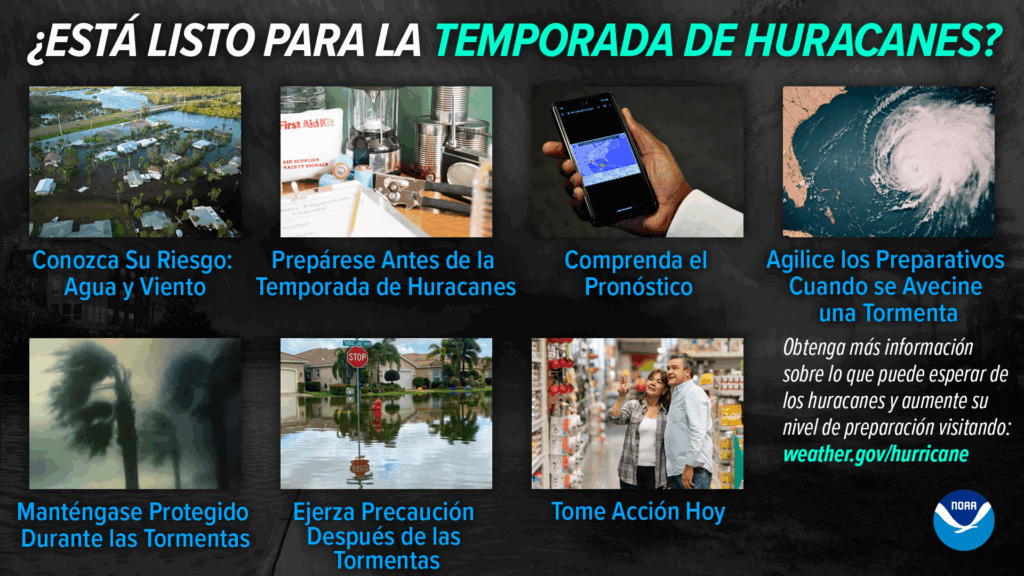
In light of these threats, authorities and experts urge Florida residents to take proactive measures:
For Extreme Heat:
Hydration: Drink plenty of fluids, especially water, even before feeling thirsty. Avoid sugary, caffeinated, or alcoholic beverages.
Stay in cool places: Seek air-conditioned spaces during the hottest hours. If air conditioning is unavailable at home, consider visiting public places like libraries or shopping centers.
Appropriate clothing: Wear lightweight, loose-fitting, and light-colored clothing.
Limit outdoor activity: Avoid or reduce strenuous outdoor activities, especially around midday. If you must be outside, take frequent breaks in the shade.
Never leave people or pets in parked vehicles: Temperatures inside a car can rise dangerously within minutes.
Watch for signs of heat illness: Be alert for symptoms such as excessive sweating, muscle cramps, weakness, dizziness, nausea, headache, or fainting. Seek medical attention if symptoms are severe or persist.
For Hurricane Season:
Develop an evacuation plan: Know where to go and how to get there if an evacuation order is issued. Consider multiple routes and plan for pets.
Gather emergency supplies: Have a kit with non-perishable food, water (at least one gallon per person per day for several days, ideally two weeks if sheltering at home), medications, flashlights, batteries, a battery-powered or hand-crank radio, portable chargers, cash, and personal hygiene items. Don’t forget supplies for pets.
Secure your home: Protect windows and doors. Secure loose outdoor items. Consider unplugging electrical appliances if there is a risk of flooding.
Review insurance: Ensure you have adequate insurance coverage, including flood insurance, as standard homeowners policies typically do not cover flood damage. Note that most flood policies require a 30-day waiting period.
Stay informed: Follow weather forecasts and local authorities’ instructions.
Help neighbors: Especially the elderly and vulnerable.
It is crucial for Florida residents to take both threats seriously and prepare adequately to protect their lives and property.





