Heatstroke, also known as hyperthermia, is a serious and potentially fatal medical condition that occurs when a pet’s body temperature rises to dangerous levels and the animal cannot effectively dissipate the heat.
- Heatstroke, also known as hyperthermia, is a serious and potentially fatal medical condition that occurs when a pet’s body temperature rises to dangerous levels and the animal cannot effectively dissipate the heat.
- Main Causes of Heatstroke in Pets:
- Common Symptoms of Heatstroke:
- Risk Factors That Increase Susceptibility:
- Immediate First Aid:
- Veterinary Treatment and Possible Complications:
- Complications from heatstroke can be severe and long-lasting, including:
- Prevention: The Best Strategy
Unlike humans, pets such as dogs and cats have limited mechanisms to cool down, primarily through panting and, to a lesser extent, through the pads of their paws. When these mechanisms are insufficient, body temperature can spike, leading to organ damage and even death.

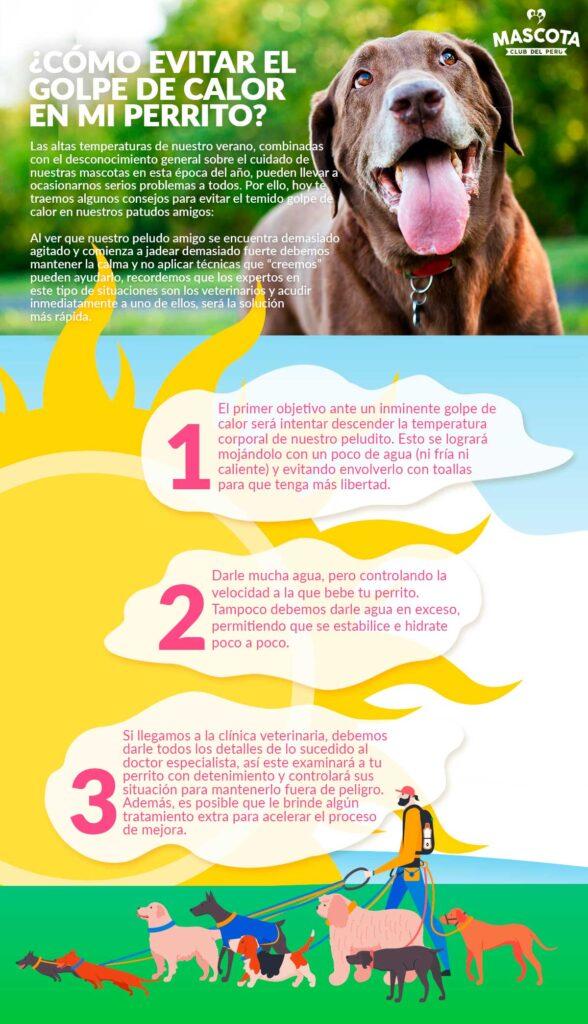
Main Causes of Heatstroke in Pets:
The most common causes of heatstroke in pets include:
- Exposure to hot and humid environments: Leaving a pet in a parked car, even with the windows partially open, is one of the most frequent causes. Temperatures inside a vehicle can rise dramatically within minutes. Other dangerous environments include yards without shade, poorly ventilated rooms, or terraces exposed to direct sunlight.
- Intense physical exercise in hot weather: Engaging in vigorous physical activities during the hottest hours of the day or in high humidity conditions can quickly overheat a pet.
- Lack of access to fresh water and shade: Dehydration and the inability to seek shelter from direct sun significantly increase the risk.
- Pre-existing conditions: Certain characteristics and health conditions can make a pet more susceptible.
Common Symptoms of Heatstroke:

It is crucial to recognize the early signs of heatstroke to act quickly. Symptoms can vary in severity and may include:
- Excessive and labored panting.
- Thick, excessive drooling.
- Bright red gums and tongue, which may turn pale or bluish (cyanosis) as the condition worsens.
- Weakness, lethargy, and fatigue.
- Dizziness, lack of coordination, or stumbling.
- Vomiting and/or diarrhea (sometimes with blood).
- Muscle tremors.
- Increased heart rate.
- Confusion or disorientation.
- Collapse or loss of consciousness.
- Seizures.
A rectal temperature above 104°F (40°C) is considered abnormal (hyperthermic), and temperatures above 105.8°F (41°C) without prior illness typically indicate heatstroke. Critical temperatures that can lead to multi-organ failure and imminent death range between 106.2°F and 108.9°F (41.2°C – 42.7°C).
Risk Factors That Increase Susceptibility:
Certain pets are at higher risk of suffering from heatstroke:

- Brachycephalic breeds: Dogs and cats with flat faces (such as Bulldogs, Pugs, Boxers, Persians) have more restricted airways, making effective panting difficult.
- Young and elderly pets: Puppies and geriatric animals have a reduced ability to regulate their body temperature.
- Overweight or obesity: Excess body fat acts as insulation and hinders heat dissipation.
- Thick and dark fur: Dense and dark coats absorb and retain more heat.
- Pre-existing illnesses: Heart, respiratory, neurological, or endocrine conditions can compromise the body’s ability to handle heat stress.
- Lack of acclimatization: Animals unaccustomed to high temperatures are more vulnerable.
- Certain medications: Some drugs can affect thermoregulation.
Immediate First Aid:
If you suspect your pet is suffering from heatstroke, it is crucial to act immediately while heading to a veterinarian:
- Remove the pet from the hot environment: Take them immediately to a cool, shaded, and well-ventilated place.
- Cool your pet gradually:
- Wet their body with cool (not ice-cold) water. Using water that is too cold or ice can cause vasoconstriction (narrowing of blood vessels), which can hinder heat release and even trigger shivering, increasing internal temperature. Focus on areas such as the abdomen, armpits, groin, and paw pads.
- You can use damp, cool towels.
- Use a fan to aid evaporation, but avoid directing air straight into the respiratory tract if it dries them out.
3. Offer small amounts of cool water: Do not force your pet to drink, as they could choke if disoriented.
4. Measure rectal temperature (if possible): The goal is to lower the temperature to around 103°F (39.5°C). Once this temperature is reached, stop active cooling to avoid hypothermia (body temperature that is too low).

5. Urgent veterinary transport: Even if your pet seems to improve, it is essential that they be evaluated by a veterinarian as soon as possible. Heatstroke can cause internal damage that is not immediately visible.
Veterinary Treatment and Possible Complications:
Veterinary treatment is essential and may include:
- Intravenous fluid therapy: To correct dehydration, maintain blood pressure, and protect internal organs.
- Oxygen therapy: If the pet has difficulty breathing.
- Controlled cooling and monitoring: Continue lowering the temperature safely and monitor vital signs.
- Blood tests: To assess organ function and detect complications.
- Medication: To treat symptoms such as seizures, cerebral edema, or coagulation problems.
Complications from heatstroke can be severe and long-lasting, including:
- Acute kidney damage.
- Liver damage.
- Brain damage.
- Coagulation disorders (Disseminated Intravascular Coagulation – DIC).
- Cardiac arrhythmias.
- Respiratory problems.
- Sepsis (systemic infection).
- Multi-organ failure.
- Death.
The prognosis depends on the severity of the heatstroke, how quickly treatment is initiated, and the presence of complications.
Prevention: The Best Strategy
Preventing heatstroke is the best way to protect your pet:
- Never leave your pet in a parked vehicle: Not even for “a few minutes” or with the windows open.
- Provide constant access to shade and fresh water: Ensure they always have a cool place to shelter and plenty of clean water. Change the water frequently.
- Avoid intense exercise during the heat: Take walks and engage in physical activities during the cooler hours of the day (early morning or late evening).
- Be careful with hot surfaces: Asphalt and cement can burn their paw pads.
- Keep pets indoors with climate control during the hottest days: If possible, use air conditioning or fans.
- Consider your pet’s coat: For some long-haired breeds, a summer haircut can help, but never shave your pet completely, as fur also provides some protection from the sun. Consult with your veterinarian or a professional groomer. Regular brushing helps remove excess fur.
- Monitor high-risk pets: Pay special attention if your pet falls into any of the higher-risk categories.
- Gradual acclimatization: If you move to a warmer climate or during sudden temperature changes, allow your pet to adapt gradually.
- Weight control: Keep your pet at a healthy weight.
- Avoid feeding right before exercise or during the hottest hours: Heavy digestion can promote hyperthermia.
Taking these precautions can make a difference and ensure your animal companion stays safe and healthy during the hot months. If you have any concerns or notice worrying symptoms, immediate veterinary attention is crucial.
If you have questions related to your pets’ well-being, please write to:
Dr. Enrique Borrego is the medical director of Animal General Hospital, located at 501 SW Port Saint Lucie Boulevard, Port St Lucie, FL 34953 • Phone 772-344-8835 www.petsvet.com Serving our Treasure Coast community since 1990