With summer’s arrival and rising temperatures, residential pools become the perfect retreat for families in Florida. Yet behind sunny afternoons and playtime lies an alarming reality: child drowning.
Unlike what movies show, drowning is usually not accompanied by screams or loud splashing; it’s a quick, silent event that can happen in the time it takes to respond to a text message.

The Data in Florida: A Reality We Cannot Ignore
Drowning is the number one cause of death from unintentional injuries in children aged 1 to 4 in the United States, and Florida unfortunately leads these statistics. According to recent data from the Centers for Disease Control and Prevention (CDC) and the Florida Department of Children and Families:
Worrisome increase: Drowning rates among minors have seen a significant rise nationwide in recent years, reversing decades of decline.
Most vulnerable age: Children under 5 represent the vast majority of victims in the state.
The surprise factor: The American Academy of Pediatrics notes that nearly 70% of child drownings occur at times when the child was not supposed to be swimming (for example, when stepping outside due to a momentary lapse in supervision).

The First Line of Defense: Early Swim Lessons
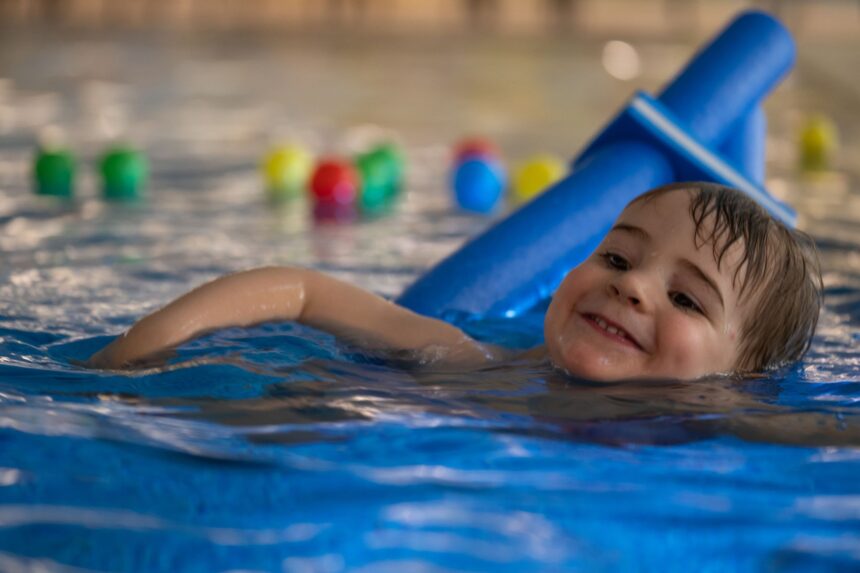
One of the most effective tools to prevent tragedies is early aquatic education. It’s not about turning a two-year-old into an Olympic swimmer, but teaching them water survival skills.
Formal swim lessons can reduce the risk of drowning in young children by up to 88%. These lessons teach children to:
- Hold their breath underwater.
- Roll over to float on their back and breathe.
- Move toward the pool’s edge.
It’s crucial to remember that knowing how to swim does not replace adult supervision, but it gives the child vital seconds of advantage if they accidentally fall into the water.

4 Layers of Protection for Your Home Pool
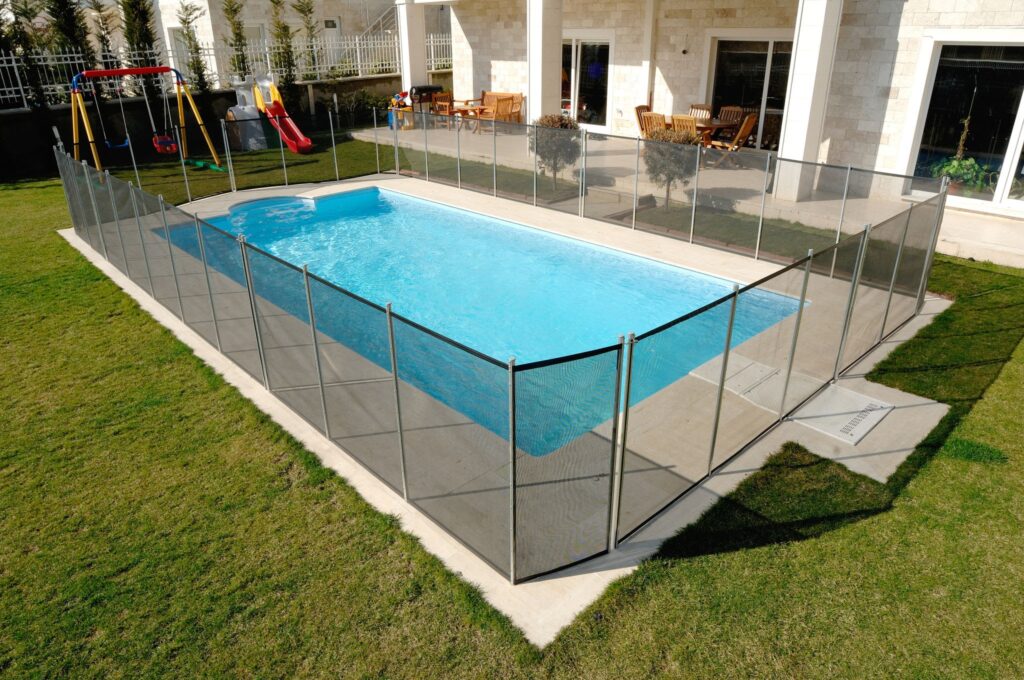
If you have a pool at home, safety cannot rely on a single factor. Experts recommend implementing “layers of protection” so that if one fails, another can stop the child.
- Install an isolation fence: This is the most important measure. The pool must be surrounded on all four sides by a fence at least 1.2 meters (4 feet) high. The fence should separate the pool from the house and the rest of the yard, and the gate must have an automatic latch and lock out of children’s reach.
- Use alarms on doors and windows: All doors in the house that provide access to the pool area should have audible alarms to alert you if a child goes outside unnoticed.
- Designate a “Water Watcher”: During family gatherings or parties, adults often assume that “someone else” is watching the children. Assign 15- to 20-minute shifts to a responsible adult who will exclusively monitor the pool, without a cell phone or distractions.
- Learn CPR (Cardiopulmonary Resuscitation): If the unthinkable happens, the first few minutes are critical. Knowing how to administer CPR while waiting for an ambulance can make the difference between life, irreversible brain damage, or death.
Summer should be synonymous with happy memories, not preventable tragedies. Protecting our children requires conscious and constant effort. Check your pool’s safety today and ensure your family is prepared.