Going to the supermarket these days feels like a high-stakes sport. You open your wallet, look at the receipt, and the question is always the same: When did those $100 disappear? It’s not your imagination, nor are you overspending on luxuries. The reality is that the latest Consumer Price Index (CPI) data confirms what you already felt when filling up your tank: inflation in the United States has rebounded to 3.3% in March, leaving the Federal Reserve in an uncomfortable position and those of us who work day in and day out with less room to maneuver.
What does this 3.3% really mean for you?
In simple terms, March’s inflation exceeded analysts’ expectations, driven mainly by housing and gasoline costs. This means the battle against rising prices isn’t over and, most importantly, that interest rates will likely remain high for longer, making your credit cards and mortgages more expensive.

The Disaster Map: What rose the most in March?
Not everything is rising at the same rate. While some electronics have dropped slightly, the pillars of your monthly budget are under fire.
1. The Burning Shelter: Housing
The cost of keeping a roof over your head remains the main inflation driver. The shelter index has maintained constant pressure.
- Rent: Has risen an average of 0.4% just this month.
- Why it matters: If you’re about to renew your lease, prepare for a tough negotiation. Supply remains low against relentless demand.
2. The Pain at the Pump
After a few months of relative calm, fuel has struck again. The increase in energy prices accounted for a large part of March’s inflation jump. International instability and production adjustments have made filling up the tank a planned expense once more.
3. The Hispanic Table: Food and Services
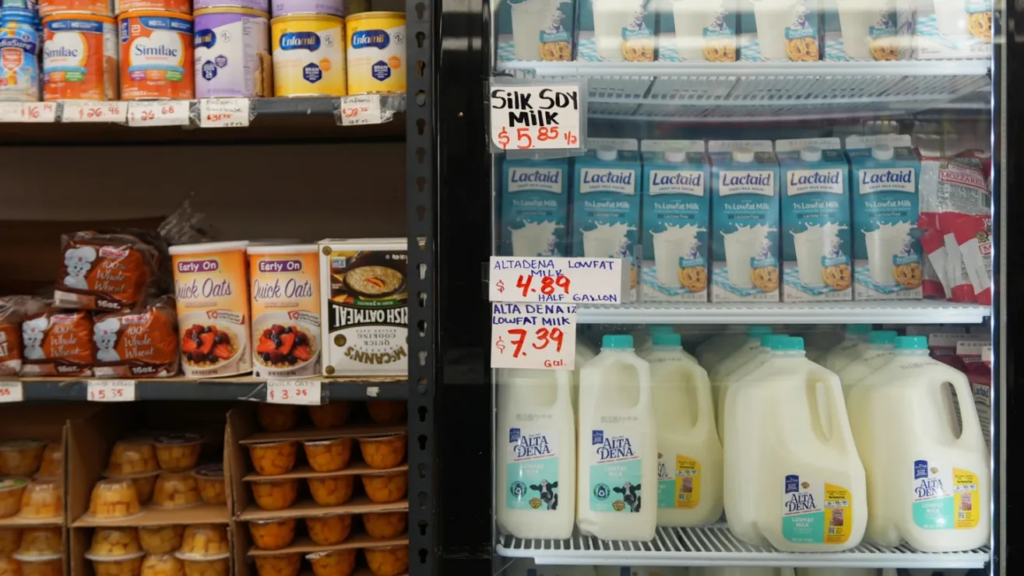
While grocery prices have shown some stabilization, eating out continues to rise. Restaurants face higher labor costs and expensive raw materials, passing that cost directly to your weekend meal.

Key Fact: “Core inflation” (which excludes volatile food and energy prices) remains at 3.8% year-over-year. This is what truly worries economists because it indicates that price increases are now “sticky” in the economy.
Comparison: How does this affect us compared to last year?
| Category | Increase in March | Impact on Budget |
| Gasoline | +1.7% | High (Daily transportation) |
| Housing | +0.4% | Very High (Major fixed expense) |
| Auto Insurance | +2.6% | Critical (Silent increase) |
| Electricity | +0.9% | Moderate (Utility costs) |
Why aren’t prices dropping if the Fed raised rates?
This is where theory clashes with street reality. Raising interest rates is supposed to curb spending and lower prices. But three “ghost” factors are keeping inflation alive:
- A Strong Labor Market: As long as unemployment remains low, people keep spending, allowing businesses to maintain high prices.
- Service Costs: Unlike a TV, the cost of health insurance or a car repair depends on labor, which is getting more expensive.
- Psychological Inertia: Many companies raise prices “just in case” inflation continues, creating a vicious cycle that’s hard to break.
War Strategies for Your Family’s Finances
If the government can’t control prices quickly, it’s up to you to protect your wallet. There are no magic formulas, just financial discipline.
- Subscription Audit: It sounds cliché, but review those $10 or $15 charges for apps you don’t use. In a 3.3% inflation environment, every dollar counts.
- Auto Insurance is Negotiable: The increase in insurance has been brutal (nearly 22% year-over-year in some areas). Don’t stick with the same company out of loyalty; request quotes today.
- Smart Energy Use: With rising electricity costs, small changes to your thermostat and using appliances during off-peak hours can save you up to 15% monthly.
The Political Impact: An Election Year with Burning Pockets
We can’t ignore the elephant in the room. This is a key election year, and inflation is the top issue in Hispanic community polls. For many, the perception of the economy isn’t based on Wall Street charts but on how far their biweekly paycheck goes.

Pressure on the current administration is at its peak. Every time the CPI rises 0.1% more than expected, the chances of seeing an interest rate cut this summer fade. Translation: If you were planning to refinance your home or buy a new car soon, you may need to wait or seek very aggressive financing options.
Image: ElHispanoParaTodos/PRESS