The United States eased tariffs on low-value Chinese imports, known as ‘de minimis,’ on Monday by reducing the tax per package from 120% to 54%.
The measure, announced by the White House via executive order, also suspends the increase to $200 per package that was set to take effect in June.

The United States eased this tariff relief to cover individual shipments of products valued under $800, a crucial segment for the logistical and commercial model of platforms like Shein, Temu, and AliExpress, the latter owned by the Alibaba group.
Until May 2, these shipments were exempt from tariffs under the Section 321 of the Tariff Act of 1930, designed for a commercial context very different from today’s.
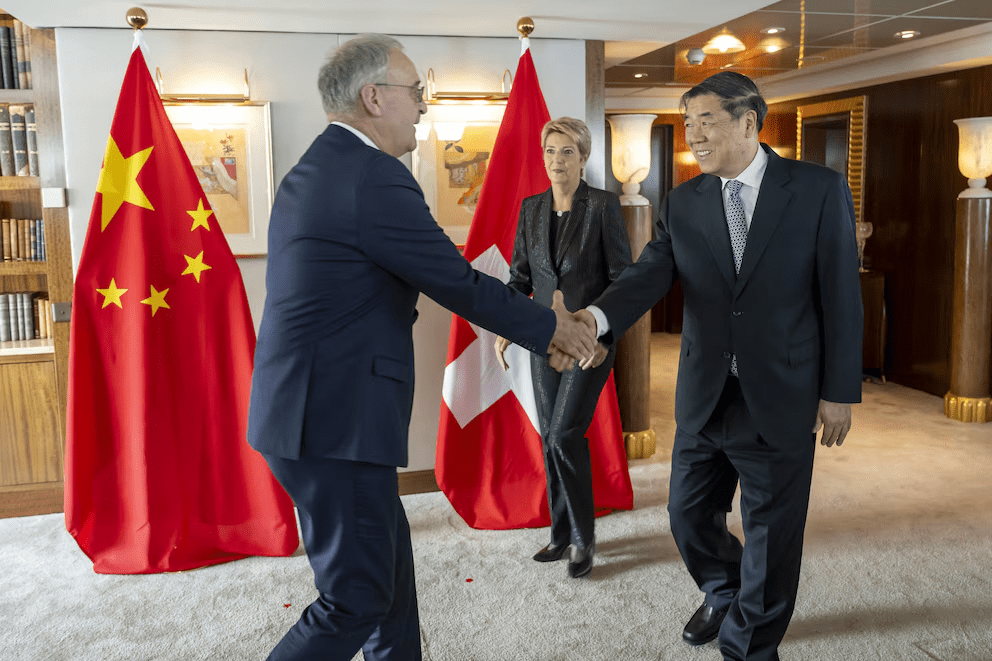
The change is part of an agreement reached between the United States and China after two days of negotiations in Switzerland, which includes a reciprocal 115% reduction in bilateral tariffs for an initial 90-day period.
As a result, US tariffs on Chinese products drop from 145% to 30%, while Chinese tariffs on US products fall from 125% to 10%.

“The relationship is very, very good. I’ll speak with President Xi perhaps later this week,” President Donald Trump said at the White House after confirming the deal.
“We don’t seek to harm China. China was suffering great harm. Factories were closing. There was a lot of instability, and they were very happy to do something with us,” the president added.
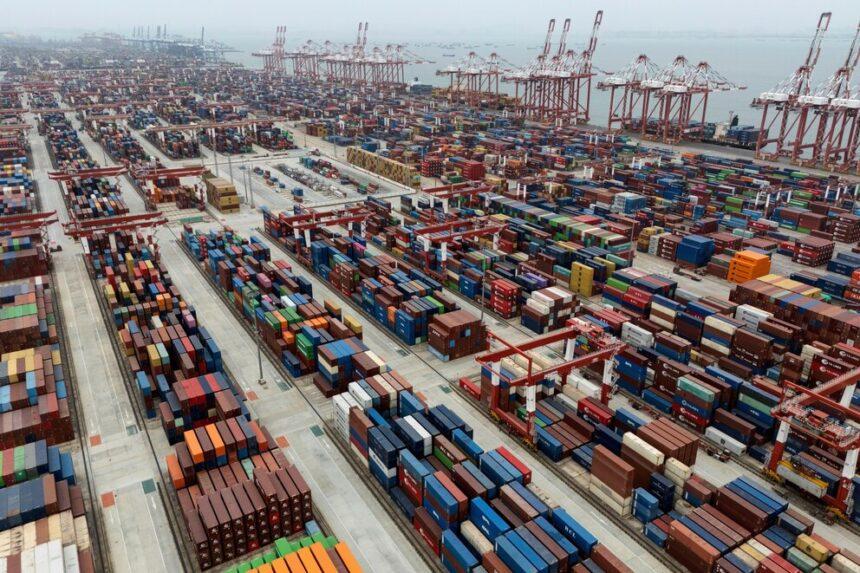
The volume of ‘de minimis’ shipments has grown exponentially over the past decade. According to the Customs and Border Protection (CBP), over 1.3 billion packages were processed in 2024, compared to 139 million in 2015. This type of shipment, exempt from many controls, has been key for Chinese digital retailers to offer low-cost products, from clothing to electronics, with direct deliveries from their logistics centers.

Washington had linked the end of the tariff exemption to security concerns.
Due to less rigorous controls, ‘de minimis’ shipments have been flagged by US authorities as a potential channel for the entry of fentanyl or the chemicals used in its production, within the context of the synthetic opioid crisis.
With this decision, Chinese retail companies can once again restock their warehouses in the United States under more favorable conditions, at least temporarily. In recent years, companies like Shein and Temu have invested in massive digital marketing campaigns in the US, and their apps have ranked among the most downloaded in the country.
Trump warned that if a broader agreement with China is not reached within the next 90 days, he will not return to the previous tariff levels but could raise them even further. “However, I believe an agreement will be reached,” he concluded.
In recent weeks, the US government had reported bilateral contacts for these negotiations, and Trump even claimed he had spoken with Xi Jinping, something Beijing denied and Washington later failed to clarify.
The negotiations between China and the US will resume soon to address the practical resolution of trade disagreements, which will require highly technical discussions.
US sources said that no precise date has been set yet for expert-level talks to resume.
Washington’s goal, reiterated by senior officials sent by Trump to Geneva, is to reduce the $1.2 trillion deficit in the US trade balance, a situation the government has declared a “national security emergency.”
Image: Infobae