

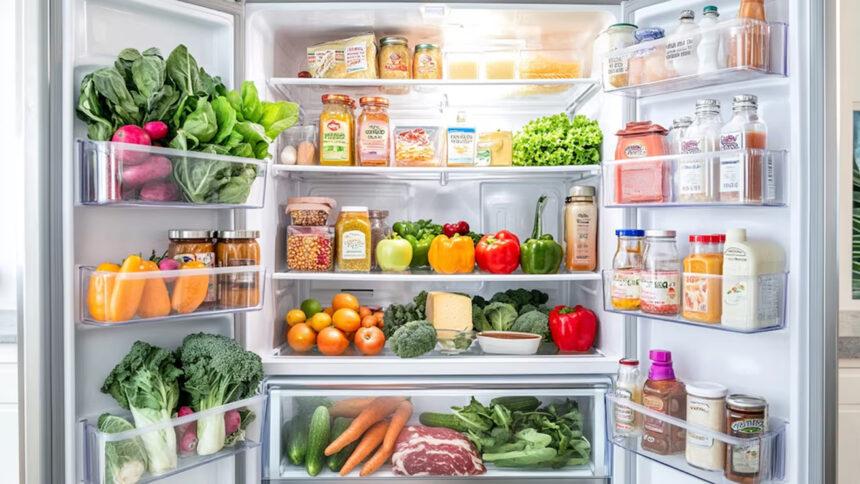
A list published by Consumer Reports identified the 10 foods with the highest health risks during 2024 in the United States. The analysis included foods involved in bacterial disease outbreaks and massive market recalls, based on data collected by the Food and Drug Administration (FDA), the Department of Agriculture (USDA), and the Centers for Disease Control and Prevention (CDC).
During that year, there was a 41% increase in food recalls due to suspected contamination with Salmonella, E. coli, and Listeria monocytogenes, according to the U.S. Public Interest Research Group Education Fund. The combination of enhanced technological surveillance, molecular sequencing methods, and tracking systems allowed individual cases to be linked to common outbreaks, thus increasing the number of products recalled from the market.

The products involved included deli meats, fresh vegetables, eggs, soft cheeses, and organic herbs. The Consumer Reports report, published in April 2025, noted that these foods were responsible for thousands of food poisoning cases in at least 30 states. The risk was higher for immunocompromised individuals, children, older adults, and pregnant women.
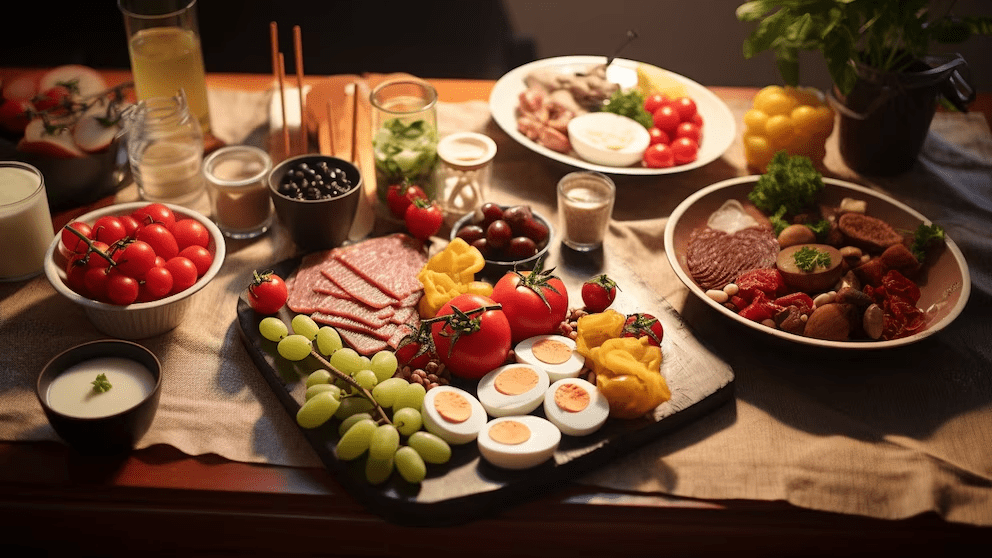
Which foods had the most bacterial outbreaks in 2024?
1. Deli meats:
They topped the list following a listeria outbreak linked to products from the brand Boar’s Head. According to the CDC, at least 10 deaths and over 60 hospitalizations were reported. The company recalled more than 7 million pounds of cold cuts from its plant in Virginia. The Food Safety and Inspection Service (FSIS) of the USDA noted that these products pose an elevated risk due to post-cooking handling, both in factories and at deli counters.
2. Cucumbers:
The CDC documented over 660 cases of salmonellosis and 173 hospitalizations linked to the consumption of cucumbers, both whole and pre-cut. The origin varied, though in all cases, they involved crops exposed to untreated soil and water. Health authorities recommend avoiding vegetables with visible damage and washing them thoroughly before consumption.
3. Unpasteurized milk and cheeses:
Raw dairy products were linked to over 180 infections from E. coli and Salmonella, according to the FDA. While regulations require these products to age for 60 days, this process does not completely eliminate the risk. Several raw milk producers in the U.S. were subject to investigations and administrative penalties following the reported outbreaks.

4. Soft cheeses like cotija and fresh cheese:
Due to their high moisture and low acidity, these products facilitated a listeria outbreak that spread over several months in 11 states. The FDA reported that the cheeses involved were distributed by Rio Lopéz Foods, whose products were recalled after epidemiological links were confirmed. Infections primarily affected older adults and pregnant women.
5. Eggs:
A salmonella infection affected consumers in at least 12 states. The CDC attributed 93 illnesses and 34 hospitalizations to products from Milo’s Poultry Farms. Additionally, Handsome Brooks Farms recalled eggs sold in Costco supermarkets, though no cases of illness were reported. Recommendations include avoiding eggs with cracked shells and cooking them until yolks are firm.
Which vegetables and organic products were recalled due to contamination?
6. Onions:
The E. coli outbreak linked to raw onions in McDonald’s hamburgers affected consumers in several states. The FDA identified Taylor Farms as the supplier and ordered a recall of yellow onions in October 2024. McDonald’s removed onions and meat from its supply chain as a preventive measure. The outbreak caused 104 cases, 34 hospitalizations, and one death.

7. Leafy greens:
Spinach and mixes of romaine and iceberg lettuce were involved in two E. coli outbreaks reported in schools and restaurants. The CDC reported 117 people affected and 36 hospitalized. Max Teplitski, from the International Fresh Produce Association, noted that these types of vegetables are consumed on a large scale, which is why they frequently appear in the statistics.
8. Organic carrots:
Packaged carrots from Grimmway Farms were recalled in November following an E. coli outbreak. There were 48 confirmed infections, 20 hospitalizations, and one death. The FDA reiterated that organic products, like conventional ones, can become contaminated by untreated water or contact with contaminated soil.
9. Organic basil:
The company Infinite Herbs recalled packages of organic basil after confirming 36 salmonella infections in 14 states, according to the CDC. Although fresh herbs are typically not cooked, which increases the risk, it was confirmed that the contamination occurred before packaging. Recommendations include washing leaves thoroughly and keeping them refrigerated.
What are the risks in cooked meats and prepared foods?
10. Cooked meats contaminated after processing:
The USDA reported the recall of several batches of cooked meat that showed traces of listeria. Although no cases of illness were documented, investigations pointed to cross-contamination after cooking. Health authorities reiterated the need to keep cooked foods refrigerated and not leave them at room temperature for more than two hours.
Image: Infobae





