

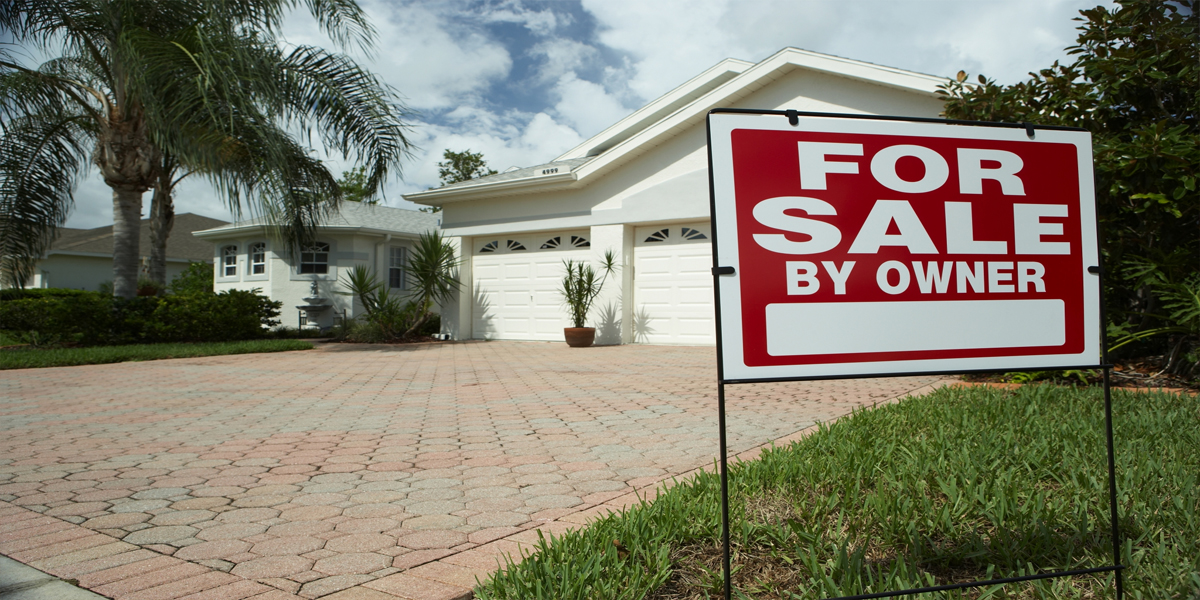
Will homeownership become more accessible in 2026? We analyze mortgage rates, inventory, and why the U.S. real estate market remains under pressure.
The 2026 Real Estate Reality: The End of “Mortgage Paralysis”
During 2024 and 2025, the market experienced what experts called the “golden handcuffs effect”: no one wanted to sell their home because they didn’t want to lose their 3% pandemic-era interest rate. Entering 2026, that phenomenon has finally begun to ease. Inflation has stabilized near 2.5%, and the Federal Reserve has made gradual cuts, bringing 30-year fixed mortgages into a 5.5% to 6.0% range.

However, here’s the catch: lower rates haven’t meant lower prices. As borrowing costs dropped, thousands of buyers who were “on the sidelines” have returned to the market, creating fierce competition for an inventory that remains historically low.
By the end of 2026, conditions for accessing homeownership in the U.S. will improve slightly in terms of credit costs, with mortgage rates hovering around 5.8%. However, the average sale price will continue rising between 3% and 5% annually due to a 4.5-million-home deficit. The biggest problem for Hispanics in 2026 will no longer be the interest rate but the lack of affordable inventory.
Factors That Will Define Your Wallet in 2026
To understand whether it’s better to buy now or wait, we need to break down the three pillars supporting this year’s market:
1. The Inventory Deficit (The Biggest Barrier)
The U.S. has faced a decade of insufficient construction. Although the current administration has pushed incentives for builders, new homes take months or years to complete. This creates upward price pressure, especially in high in-migration states like Florida, Texas, and the Carolinas.

2. The Return of Equity
For those who already own, 2026 is a great year. Property values have continued rising, allowing many to refinance or sell to buy something better. For first-time buyers, especially in our Latino community, this means competing against institutional investors and cash-heavy buyers.
3. The “Rent” Factor
If you can’t buy, is renting better? In 2026, rental prices have begun cooling in major cities (New York, San Francisco) but continue rising in the suburbs. The golden rule this year is: if your rent exceeds 35% of your net income, buying a property (even a small one) remains the best long-term financial move.
Comparative Table: 2024 Market vs. 2026 Projections
| Indicator | 2024 (Actual) | 2026 (Projected) | Impact for Buyers |
| 30-Year Mortgage Rate | 7.0% – 7.5% | 5.5% – 6.0% | Greater monthly purchasing power. |
| Median Home Price | $412,000 | $438,000 | Requires a larger down payment. |
| Inventory (Homes for Sale) | Very Low | Moderate-Low | Fewer “bidding wars” than in 2021. |
| Days on Market | 22 days | 35-40 days | More time for inspections and negotiations. |
Steps to Take in Today’s Market
If you’re determined to buy a home in 2026, the strategy has changed:

- Aggressive Credit Cleanup: With rates at 6%, the difference between a credit score of 680 and 740 can mean $200 less per month on your payment.
- Look for “Seller Concessions”: Unlike the frenzy of three years ago, in 2026 sellers are more willing to cover your closing costs or “buy down” your interest rate (rate buy-down).
- Explore Condos: With single-family homes prohibitively priced, condominiums and townhomes have become the entry point for the Hispanic middle class.
Uncomfortable Truth: “Housing is no longer just a shelter—it’s a wealth transfer. Those who fail to enter the market before 2027 will see the wealth gap between owners and renters become nearly impossible to close.” — Analysis by El Hispano.





