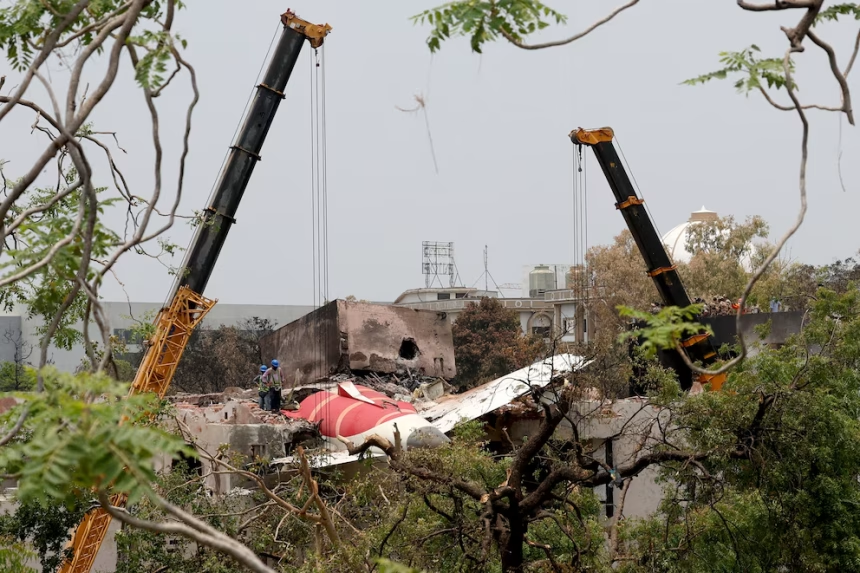
The deadliest air crash in India in over a decade is sending shockwaves through the aviation insurance industry. It will trigger one of the costliest claims in the country’s history, estimated at around $475 million (approximately 447 million euros).
“This aviation insurance claim could be one of the largest in India’s history,” said Ramaswamy Narayanan, chairman and managing director of General Insurance Corporation of India. One of the companies that provided coverage for Air India.

The claim for the aircraft’s hull and engine is estimated at around $125 million (118 million euros), according to Narayanan.
Additionally, he estimates that liability claims due to the loss of passengers’ and other individuals’ lives will reach approximately $350 million (329 million euros). This sum is more than three times the annual premium for India’s aviation industry in 2023, according to GlobalData.
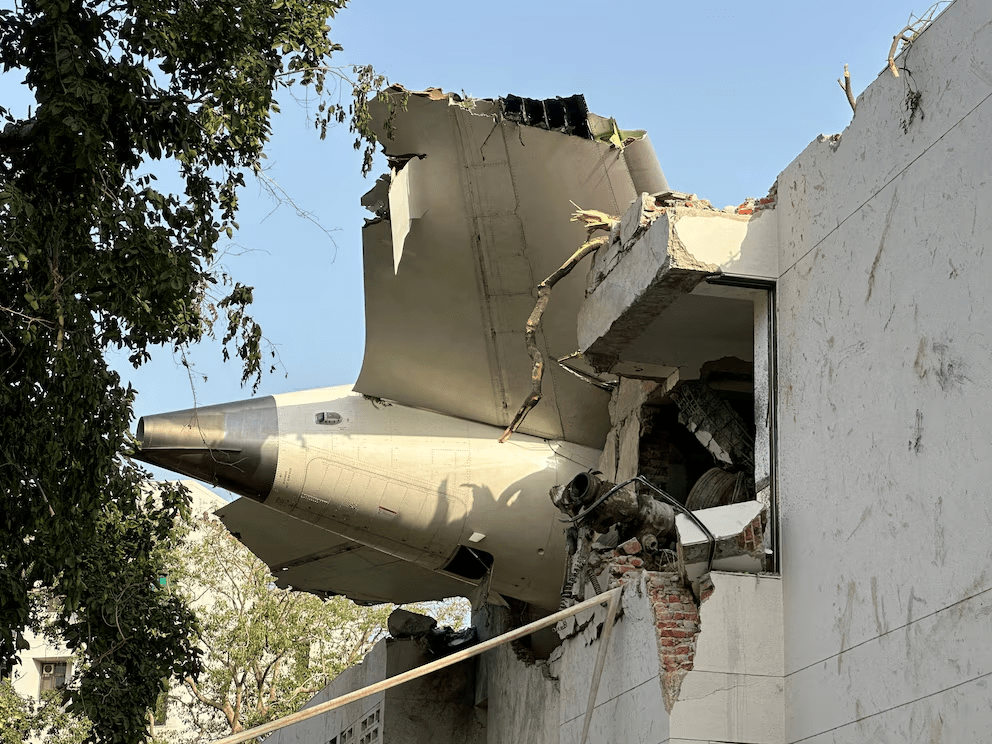
The financial repercussions of the crash, which killed 241 people on board and others after crashing in a densely populated area of Ahmedabad, in western India, on Thursday, will extend to the global aviation insurance and reinsurance market. It is also likely to drive up insurance costs for airlines in India.
Insurance premiums across the aviation sector are expected to rise in India, either immediately or at policy renewals, according to people familiar with the matter.

Regarding the payment of Air India’s insurance policy, totals could increase since there were foreign nationals among the crash victims. Claims will be calculated according to the regulations in their respective jurisdictions, according to these people, who spoke on condition of anonymity while discussing private matters.
A spokesperson for Air India did not immediately respond to requests for comment.
According to Narayanan, insurers will first settle the hull claim, followed by liability claims. “It will take some time to resolve the liability claims,” he said.
The impact on the domestic market will be partially mitigated by the fact that both companies generated only about 1% of their total insurance premiums from aviation. They also ceded most of this to global reinsurers, according to GlobalData’s insurance data.

Overall, domestic insurers have transferred over 95% of their direct aviation insurance premiums (DWP) to global reinsurers.
As a result, “the financial burden will predominantly fall on international reinsurers, leading to a hardening of the aviation reinsurance and insurance market,” said Swarup Kumar Sahoo, senior insurance analyst at GlobalData, in a statement released Monday.
Image: Infobae