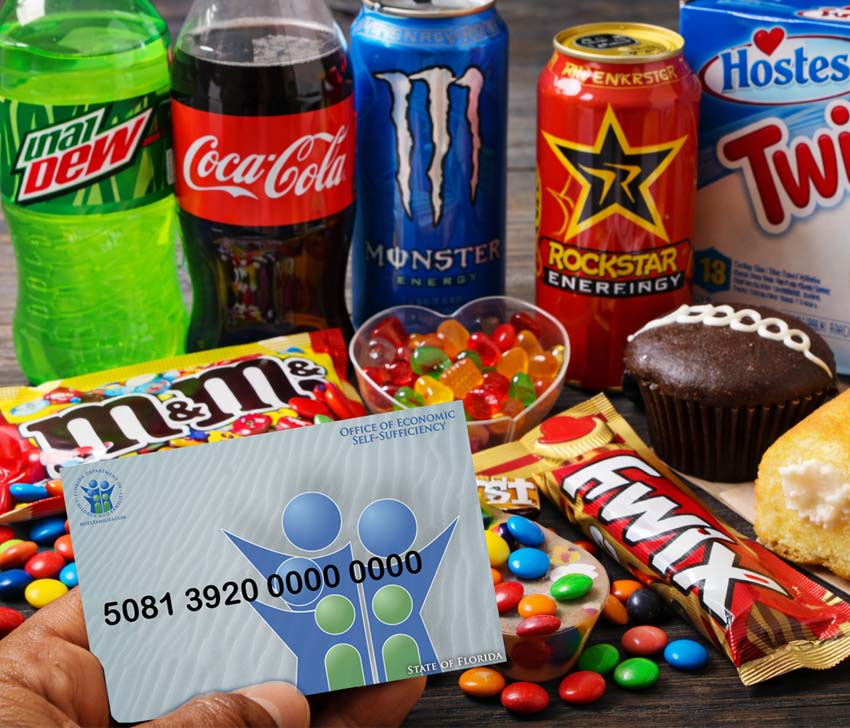
In a move aimed at transforming the eating habits of thousands of citizens, Florida has launched an ambitious and controversial federal pilot program that restricts the types of products that can be purchased with Supplemental Nutrition Assistance Program (SNAP) funds.
From now on, beneficiaries in the state will face significant limitations on their purchasing options, primarily targeting products with low nutritional value and high sugar content.

What products are excluded from the list?
Under the new guidelines of this federal experiment, SNAP funds can no longer be used to purchase the following items at Florida retail stores:
- Soda and sugary drinks.
- Candy and sweets.
- Energy drinks.
- Processed desserts and certain sweet snacks.
The primary goal of this measure is to encourage the consumption of healthier foods, such as fruits, vegetables, proteins, and whole grains, redirecting public spending toward products that contribute to the physical well-being of participants.
A two-year experiment with an eye on 2028
This change is not yet permanent but is part of a federal pilot program designed to gather data on how dietary restrictions affect the health of the population and the use of government subsidies.
The project timeline is already set:

- Duration: The program will last for two years.
- End date: It is scheduled to conclude on April 19, 2028.
During this period, health and social welfare authorities will closely monitor the results. Depending on the impact on beneficiaries’ nutrition and the logistics of implementation in supermarkets, this model could be considered for expansion to other states or for permanent adoption.
Debate underway: Health vs. Autonomy
The news has sparked mixed reactions. On one hand, public health advocates applaud the initiative, arguing that taxpayer money should not subsidize chronic diseases like diabetes or obesity. On the other hand, various civil groups express concerns about the autonomy of low-income families and the potential challenges small businesses may face in updating their payment systems under these new rules.
With the deadline set for April 2028, Florida becomes the primary testing ground for a policy that could forever change how food assistance works in the United States.

Google Image