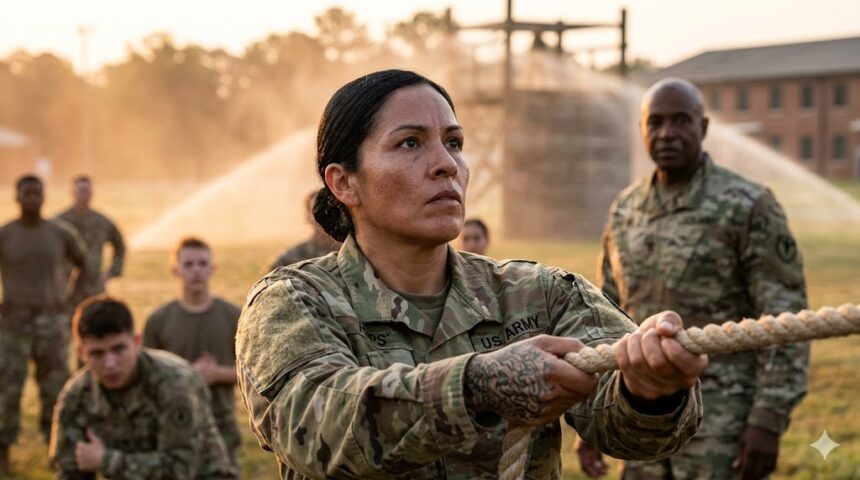
Did You Think You Were Too Old for the Uniform? Think Again
If you ever dreamed of serving in the U.S. Armed Forces but thought your birthday candles were too many, the rules of the game have just changed dramatically. Starting April 20, 2026, the Pentagon isn’t just opening the door—it’s removing the locks that once seemed unmovable.
- Did You Think You Were Too Old for the Uniform? Think Again
- The New Standard: Who Qualifies Now?
- Breaking Taboos: Tattoos and a “Colorful” Past
- 1. Tattoo Policy (Hand & Neck Tattoos)
- 2. Marijuana Use
- 3. Weight and Physical Condition (Future Soldier Prep Course)
- Comparison: Which Branch Is Right for You Based on Your Age?
- Hidden Benefits for the “Mature” Recruit
- What Are the Risks at This Age?
The reality is harsh: recruitment goals aren’t being met, and Uncle Sam needs boots on the ground. This has forced a historic relaxation of requirements that directly benefits the Hispanic community, where discipline and the desire for self-improvement don’t expire at 30.

Key Fact: The age limit for active duty in the Army has been set at 42 years, a figure unthinkable just a decade ago when the cutoff was much lower.
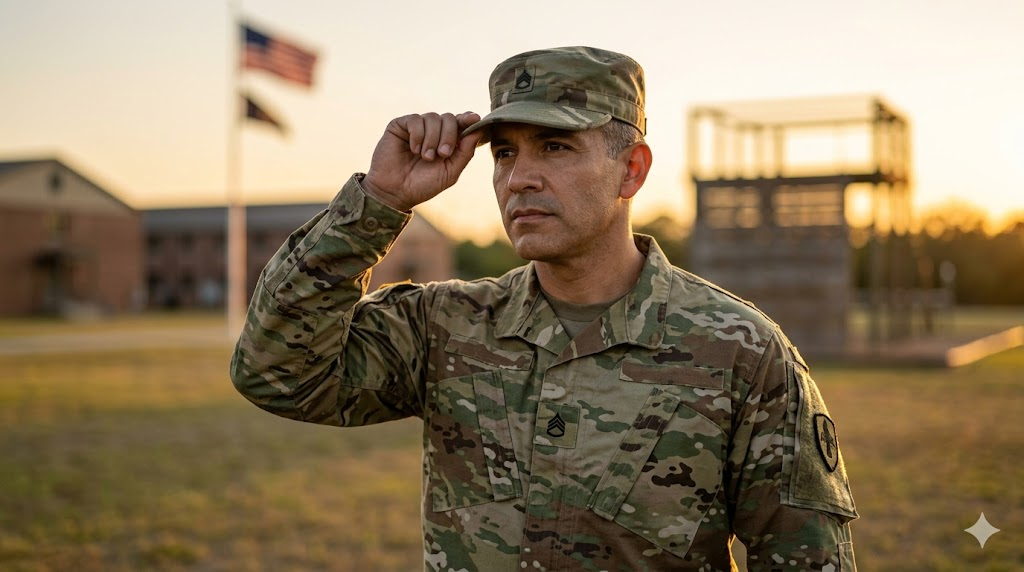
The New Standard: Who Qualifies Now?
To save you time at the recruiting office, here’s the answer to what everyone is asking: Yes, at 42 years old, you can still be a full-fledged soldier.
- Maximum Age: 42 years for active duty (Army). Other branches like the Air Force or Navy maintain their own limits (generally 39-41), but the Army is the most flexible today.
- Legal Status: You must be a U.S. citizen or hold a Green Card (Permanent Residency). Note: serving is one of the fastest paths to citizenship.
- Education: High School diploma or equivalent (GED).
- ASVAB Test: You must pass the aptitude test, but even here there are “second chances” with pre-basic training tutoring programs.
Breaking Taboos: Tattoos and a “Colorful” Past
They’re no longer looking for monks—they’re looking for soldiers. The relaxation of requirements goes far beyond age.
1. Tattoo Policy (Hand & Neck Tattoos)
Before, a tattoo on the hand or behind the ear was an outright “no.” Today, the Army allows:
- One tattoo up to one inch on the back of the neck.
- One small tattoo on each hand (behind the palm).
- Tattoos between the fingers (as long as they’re not offensive or extremist).
2. Marijuana Use
Let’s be honest: in many states, it’s legal, and the Army knows it. While active use is prohibited during service, past use is no longer an insurmountable stigma. Waivers are being granted with unprecedented ease, as long as you’re honest during the process.

3. Weight and Physical Condition (Future Soldier Prep Course)
Are you a little “out of shape” after years at a desk job? Don’t count yourself out. There’s the Future Soldier Prep Course, a pre-camp program where they help you lose weight and improve your academic score before sending you to real Basic Training.
Comparison: Which Branch Is Right for You Based on Your Age?
| Military Branch | Current Maximum Age | Ease of Entry |
| Army | 42 years | High (More waivers available) |
| Air Force | 42 years | Medium (Strict ASVAB score requirements) |
| Navy | 41 years | Medium |
| Coast Guard | 42 years | High (For specific roles) |
| Marines | 28 years | Very Low (Prioritize extreme youth) |
Hidden Benefits for the “Mature” Recruit
Unlike an 18-year-old who doesn’t know what to do with their first paycheck, joining at 35 or 40 comes with strategic advantages few mention:
- Enlistment Bonuses: Depending on your specialty (MOS), you could receive bonuses of up to $50,000.
- Full Medical Insurance: The TRICARE plan covers your spouse and children without suffocating deductibles.
- Retirement and 401k Plan: If you enlist at 40 and serve 20 years, you retire at 60 with a lifetime pension, just in time to enjoy it.
- Real Estate Stability: The VA (Veterans Affairs) loan lets you buy a home with 0% down payment.
Pro Tip: Don’t go to the recruiter without first researching jobs (MOS) that offer “Quick Ship Bonuses.” Sometimes, just being ready to deploy in 30 days earns you an extra $5,000.
What Are the Risks at This Age?
It’s not all sunshine and roses. The 10-week Boot Camp is physically brutal. At 40, knees and backs don’t recover like they do at 20. The key here is mental resilience. Instructors often respect older recruits (sometimes jokingly called “Pops” or “Grandpa”) because they tend to be more disciplined and less conflict-prone than teenagers.

Image: ElHispanoParaTodos/PRESS