The United States Department of Agriculture (USDA) announced the end of the Roadless Area Conservation Rule, a federal regulation that for over two decades had prevented the development of infrastructure and logging activities in roadless national forests.
With the new measure, nearly 24 million hectares (equivalent to 59 million acres) are now exposed to logging and road construction, primarily in the states of Alaska, Utah, and Montana.

The decision was announced by Agriculture Secretary Brooke Rollins during a meeting of the Western Governors’ Association held in Santa Fe, New Mexico. The government argued that the repealed rule limited the ability of local managers to address threats such as wildfires and blocked rural economic development.
What changes with the elimination of the rule
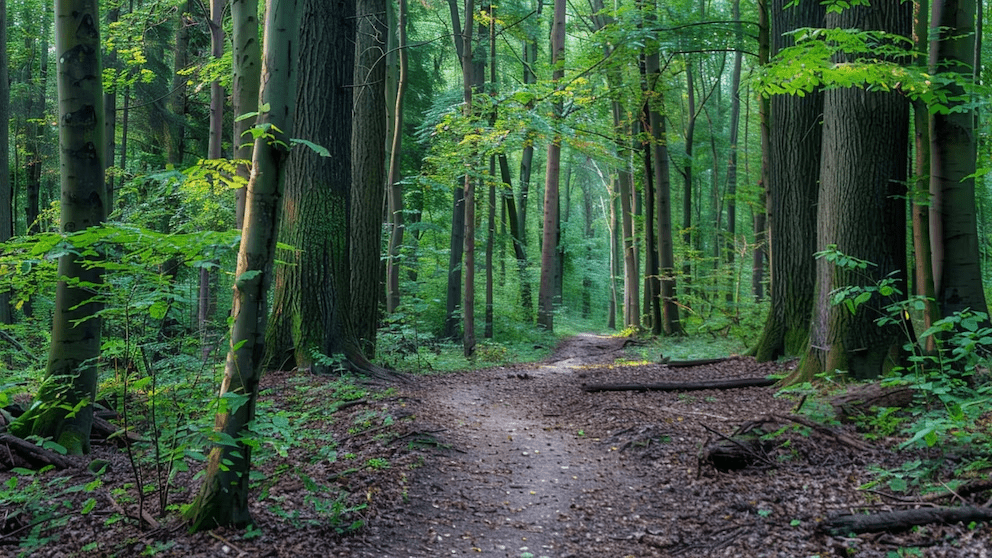
The Roadless Rule, established in 2001 during the final days of Bill Clinton’s presidency, protected over 23.7 million hectares of national forests. These roadless and mostly pristine areas represented about 30% of the National Forest System in the United States.
With the elimination of the rule, the USDA will allow road construction and commercial logging in these territories. According to official data, the rule affected:
- 92% of the Tongass National Forest in Alaska, equivalent to over 6.5 million hectares protected;
- 60% of Utah’s forest lands, over 2.5 million hectares;
- 58% of Montana’s national forests, nearly 2.9 million hectares.
Rollins stated that the rule caused “real harm” to millions of hectares of forest by preventing active forest management. She also cited a 25% decline in Utah’s forest sector economic development, based on state estimates.

“The Trump administration is removing absurd obstacles that prevented reasonable management of our natural resources,” Rollins said. “This decision marks a new era of sustainability for our forests.”
Environmental backlash
Several environmental organizations, including the Sierra Club, condemned the decision. The group warned that eliminating the rule endangers nearly 24 million hectares of wild lands, many of which contain primary forests and unique ecosystems that have remained intact for centuries.
Alex Craven, forest campaign coordinator for the Sierra Club, harshly criticized the decision: “Once again, the Trump administration ignores the will of millions of people to favor corporations. This measure opens the door to mass deforestation and the destruction of essential habitats.”

The Tongass forest in Alaska is considered one of the largest temperate rainforests in the world. Its ecological importance is recognized by scientists and Indigenous communities, who have warned about the impacts of commercial logging on biodiversity, carbon sinks, and local food security.
Republican support
Republican lawmakers and officials from western states backed the decision. Nick Begich, a representative from Alaska, celebrated the repeal on social media, stating that the rule “was never about responsible conservation, but about excessive bureaucratic power that hindered access to resources and economic opportunities.”
The measure is part of a broader environmental deregulation policy promoted by the U.S. government, with an emphasis on natural resource extraction, state autonomy, and rural development expansion.
The USDA will publish an official notice in the coming weeks with the technical details of the rule’s elimination. Environmental advocacy organizations have already announced lawsuits to try to block its implementation, which could bring the case to federal courts.
Meanwhile, forest management experts warn that allowing road construction in pristine areas not only affects biodiversity and water quality, but also facilitates the entry of extractive activities, increases habitat fragmentation, and hinders ecosystem recovery.
Image: Infobae