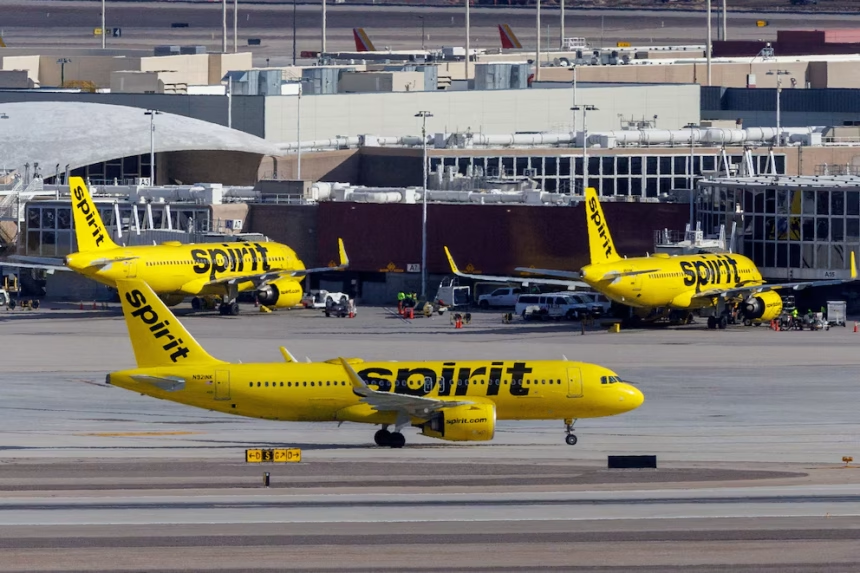
The U.S.-based low-cost airline filed a new Chapter 11 bankruptcy protection petition on Friday, August 29, 2025, a move impacting thousands of travelers and employees across the Americas. The decision comes amid sustained financial difficulties and competitive pressure on the ultra-low-cost business model in the airline industry.
- What Caused the U.S. Low-Cost Airline’s Bankruptcy in 2025?
- What Changes for Travelers After the Airline’s New Court Filing?
- Are There Immediate Risks of Flight Suspensions or Mass Layoffs?
- Has the Airline Been Acquired, or Are There Sale Negotiations?
- How Long Will Commercial and Labor Programs Remain in Effect?
- What Past Events Explain the Low-Cost Airline’s Current Situation?
- What Are the Consequences for Passengers and the U.S. Market?
- What Does the Future Hold for Employees, Travelers, and the Airline Industry?
Company officials and regulatory documents confirmed the court decision. The airline stated that all reservations remain valid and scheduled itineraries will not face immediate cancellations. The board assured regular salary payments and the continued validity of loyalty programs during the restructuring phase.

The payment suspension aims to protect assets and allow time for a financial strategy designed to secure its future in the U.S. market.
This is not the airline’s first bankruptcy proceeding, as it had previously gone through a similar process in late 2024 and formally emerged in March of this year. The recovery proved insufficient amid stagnant demand, intensified competition, and high debt levels, leading the company to warn of “substantial doubts” about its short- and medium-term viability, according to Axios.
What Caused the U.S. Low-Cost Airline’s Bankruptcy in 2025?
The court filing follows cumulative losses exceeding $2.5 billion between 2020 and 2024, according to Reuters. Weak demand in the domestic travel segment resulted in a negative cash flow surpassing $1 billion in the second quarter of 2025. The aggressive pricing strategy lost effectiveness amid shifting passenger preferences and the emergence of major competitors offering similar or better deals.
The airline’s long-term debt stands at $2.4 billion, with significant maturities due in 2030, as noted by sources cited in Axios. The exhaustion of its credit line and the need to sell part of its fleet and real estate are part of the strategy to secure liquidity and meet upcoming payments.

What Changes for Travelers After the Airline’s New Court Filing?
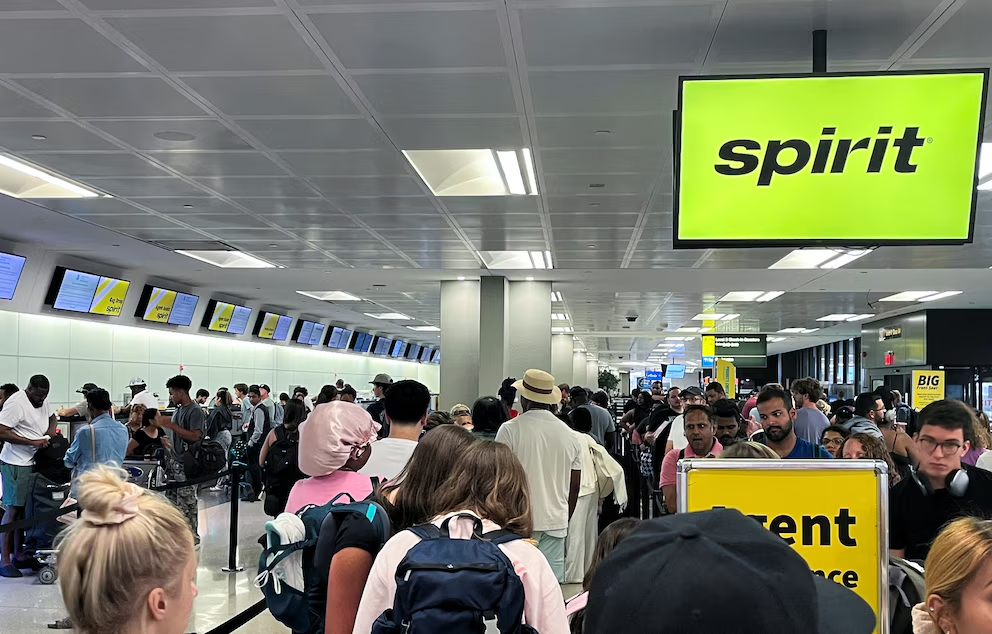
Representatives of the airline emphasized that passengers can use tickets, credits, and accumulated loyalty program points. Confirmed reservations remain valid, and the domestic and international route network will stay active during the restructuring process. Customer service channels and flight schedules will also remain unchanged.
The flight attendants’ union sent a message to its members advising them to prepare for various scenarios while stressing the defense of labor rights during the proceedings. “We want you to have the truth about the situation… so we can prepare for any challenges,” union representatives told the press.
Are There Immediate Risks of Flight Suspensions or Mass Layoffs?
According to Axios, executives assured there are no immediate plans for mass service cancellations or widespread employee layoffs. However, the need to reduce costs remains. In October and November, 270 pilots will leave the company, and 140 captains will be reassigned as first officers due to the expected reduction in flight frequency for 2026. These changes continue adjustments initiated in 2024 following the first bankruptcy.

Has the Airline Been Acquired, or Are There Sale Negotiations?
The airline recently held talks with Frontier Airlines, but no formal sale or integration agreements have been reached. Previous attempts with companies like JetBlue Airways also failed. The appeal lies in its modern fleet and access to strategic slots, though current legal and financial circumstances complicate the possibility of an imminent acquisition.
Competitive pressure increased after the pandemic, as major market players adjusted their offerings and products to cater to price-sensitive travelers, creating a new environment for low-cost carriers.
How Long Will Commercial and Labor Programs Remain in Effect?
Company spokespeople reiterated that labor contracts, agreements with travelers, and supplier deals remain in force during the restructuring, in compliance with U.S. law. There are no additional regulatory restrictions or changes to operational safety conditions.
CEO Dave Davis told shareholders in a message reported by Axios that the priority is to leverage available assets and strengthen the capital structure to sustain operations.
What Past Events Explain the Low-Cost Airline’s Current Situation?
The airline’s basic fare and add-on fee model enabled rapid expansion to over 88 destinations across the U.S., the Caribbean, Central America, Panama, and Colombia. The pandemic altered travel patterns, particularly affecting leisure routes. Major carriers adjusted their offerings and introduced new fare categories, eroding the customer base of the low-cost operator. Additional costs for maintenance and repeated cost-cutting plans to control spending also played a role.
What Are the Consequences for Passengers and the U.S. Market?
During the bankruptcy proceedings, the airline confirmed it will maintain all customer service channels, its route network, and purchased services, according to Axios. Industry analysts believe the risk of total liquidation remains if the financial restructuring fails to address ongoing challenges, especially after two bankruptcies in less than a year.
Travel agencies and consumers should monitor the process and official communications, as any changes will depend on the outcome of the court proceedings.
What Does the Future Hold for Employees, Travelers, and the Airline Industry?
Authorities stated, according to reports, that the goal is to complete the restructuring before the end of 2025 and restore investor and strategic partner confidence. Demand and business outlook remain uncertain, with forecasts dependent on the airline’s ability to adapt and the broader industry’s movements.
For now, the flight network, active contracts, and services will continue operating under current regulations, with no immediate announcements of suspensions or other changes.
Image: Infobae