


The U.S. Department of State (DOS) announced measures to increase its visa processing capacity ahead of the upcoming 2026 FIFA World Cup, which will be jointly hosted by the United States, Mexico, and Canada.
- What is the U.S. plan to speed up World Cup 2026 visas?
- What should fans know about the U.S. visa for the 2026 World Cup?
- Which U.S. cities will host the 2026 World Cup?
- How is the visa process coordinated between the U.S., Mexico, and Canada?
- What should applicants do to process their visa before the 2026 World Cup?
The agency will send additional consular staff to selected embassies and consulates to address the expected rise in visa applications from international visitors. The move is significant as the tournament, featuring 48 national teams, will attract hundreds of thousands of foreign fans.

According to the Department of State, “hundreds of additional consular officers” will be deployed to countries identified as priorities, though the exact list has not yet been officially announced. A spokesperson explained that the U.S. government “is prepared to meet demand while maintaining rigorous vetting requirements.” The federal agency added that in approximately 80% of countries that have already qualified or could qualify, visa interview appointments can currently be scheduled in less than two months.
The U.S. Embassy in Mexico confirmed that efforts are already underway to facilitate visa renewals ahead of the event through a special informational portal about the 2026 World Cup. On its official site, the U.S. government urges applicants to begin the process early to avoid delays, noting that consular operations will continue even during a potential government shutdown.
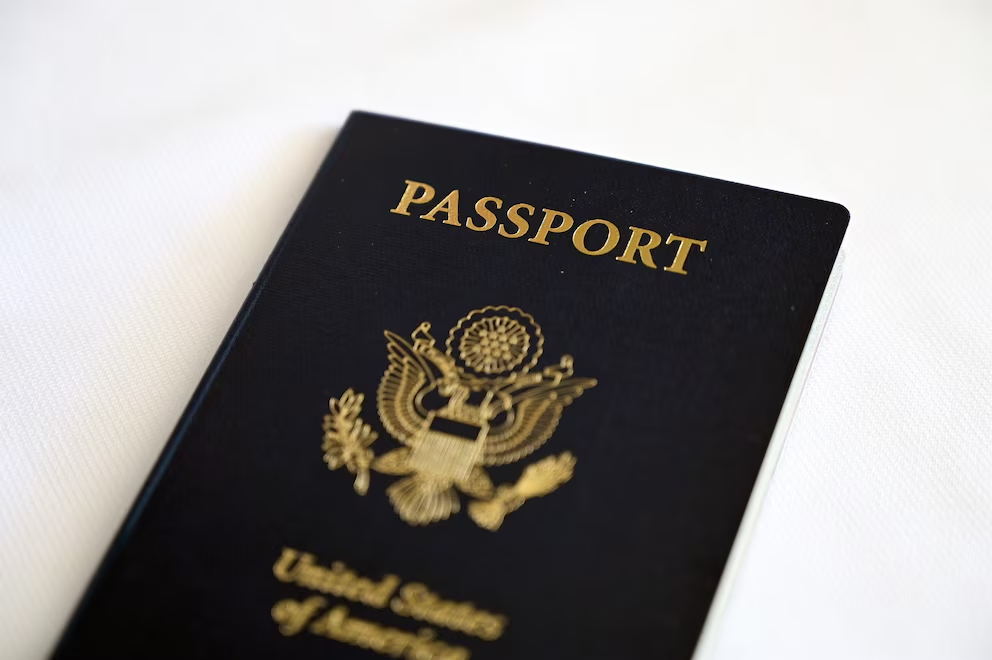
What is the U.S. plan to speed up World Cup 2026 visas?
The Department of State’s plan includes a temporary increase in staff at U.S. embassies and consulates during the next fiscal year. The agency stated that this reinforcement aims to address the anticipated demand for nonimmigrant visa interviews, particularly tourist visas (B1/B2) for visitors planning to attend the tournament’s matches.
According to the AP, additional consular officers will be sent to “designated countries,” which will be determined as national teams advance in the qualification process. The total number of employees and the exact deployment timeline have not been detailed.

The Department of State indicated that the goal is to maintain reasonable wait times and prevent delays that could affect attendance at the event. “In approximately 80% of countries that have qualified or could qualify, visa interview appointments can be scheduled within two months or less.”
What should fans know about the U.S. visa for the 2026 World Cup?
FIFA issued an official warning on its customer service portal under the Travel Visa Requirements section, clarifying that holding a ticket to the matches does not guarantee a visa or admission to the host countries:
“Having a ticket for the 2026 World Cup does not guarantee the issuance of a visa or entry into Canada, Mexico, or the United States,” states FIFA.

The sports organization also noted that having a ticket is not required to begin a visa application.
“A ticket for the 2026 FIFA World Cup™ is not required to apply for a visa,” the statement adds.
Additionally, FIFA reminded applicants that they are responsible for knowing the required documents and medical requirements for entering each host country. If a ticket holder fails to obtain a visa or is denied entry for not meeting immigration requirements, “they will not be entitled to compensation from FIFA Ticketing.”
Which U.S. cities will host the 2026 World Cup?
The United States will host the majority of the tournament’s matches, including the final, scheduled to take place at MetLife Stadium in New Jersey. The eleven U.S. host cities confirmed by FIFA are:
- Atlanta, Georgia
- Boston, Massachusetts
- Dallas, Texas
- Houston, Texas
- Kansas City, Missouri
- Los Angeles, California
- Miami, Florida
- New York – New Jersey
- Philadelphia, Pennsylvania
- Seattle, Washington
- San Francisco, California
The U.S. Embassy in Mexico confirmed that its consular services will remain active during the partial federal government shutdown that began on October 1, 2025. The Department of State has also previously stated that diplomatic missions will continue providing emergency services and previously scheduled appointments during this period.
How is the visa process coordinated between the U.S., Mexico, and Canada?
While the U.S. plan is the most advanced in terms of consular reinforcement, both Canada and Mexico maintain their own immigration procedures for international visitors. So far, no shared visa system or joint entry mechanism has been announced for the three host countries.
FIFA recommends checking the entry requirements on the official government portals of each country before purchasing tickets or making travel reservations.
- For the United States, updated information is available at travel.state.gov.
- In Canada, guidelines are published by Immigration, Refugees and Citizenship Canada (IRCC).
- In Mexico, rules for international tourists are available on the Secretariat of Foreign Affairs (SRE) portal.
What should applicants do to process their visa before the 2026 World Cup?
According to the Department of State, applicants should expect high demand for appointments in 2025, as qualified teams are confirmed and interest in attending the tournament grows. U.S. authorities recommend starting the process early and checking updated wait times on the travel.state.gov website.
In countries where interviews are currently scheduled with delays of less than 60 days, wait times are expected to remain stable thanks to the deployment of additional staff. However, the Department of State reiterated that it will continue applying standard review and security standards for all visa categories, with no exceptions related to the sporting event.
So far, the U.S. government has not confirmed whether it will adopt special procedures for travelers with tournament tickets or if priority channels will be established for specific groups. Any updates will be published on the official portals of the Department of State and U.S. embassies.
With the reinforcement of consular staff and FIFA’s warnings about entry requirements, authorities aim to ensure that the visa process proceeds smoothly before the tournament begins. Fans planning to attend should start their applications early, verify official guidelines, and avoid unverified sources that may spread inaccurate information.
Image: Infobae





