

Dolores Huerta Dies, the Historic Latina Leader Who Turned Labor Struggles into Resistance
Translated with AI from the original article in Spanish. Leer la noticia original en español
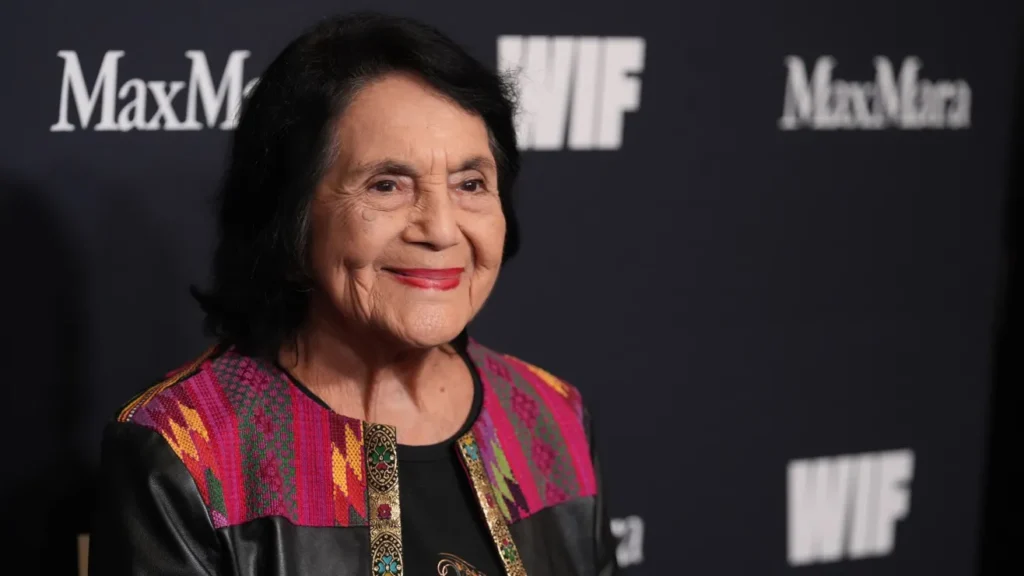
Dolores Huerta, a historic figure in the civil rights movement for Latinos in the United States, has died at 96 years old, leaving a legacy of union struggle, defense of farmworkers, and the pursuit of equality.
“We are deeply saddened to announce that our beloved mother, Dolores Huerta, passed away today at the age of 96. As you can imagine, this is a very difficult time for our family, and we ask for privacy as we grieve such a profound loss. We know that many people around the world share our pain. In the coming days, we will share plans to honor and celebrate her extraordinary life and the legacy she leaves behind,” Dolores Huerta's family wrote on Facebook.
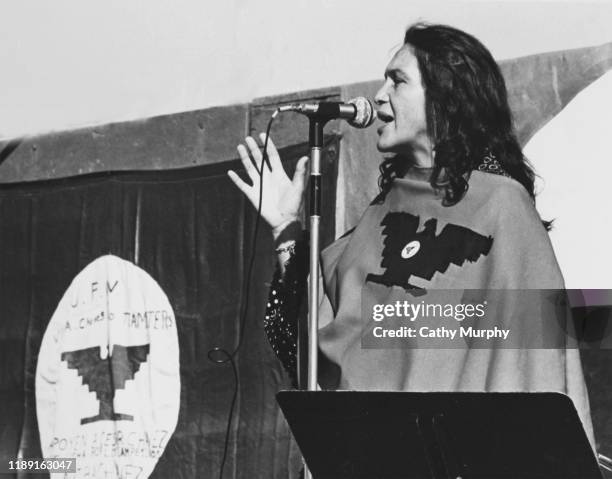
A life of struggle for Latino rights
Born on April 10, 1930, in Dawson, New Mexico, Huerta dedicated more than six decades to driving change in a country where thousands of farmworkers, many of them immigrants, faced low wages, grueling hours, and precarious working conditions.
Her name became forever linked to the United Farm Workers (UFW), the union she helped found alongside César Chávez in 1962. The organization, born from the union of farmworker movements, became one of the main voices for those who harvested fruits and vegetables in the United States.
Huerta understood that transformation would not come without collective pressure. She participated in campaigns, strikes, and boycotts that brought the conditions of day laborers into the national debate and helped demand better wages, benefits, and workplace safety measures.
The power of saying “Yes, we can”
One of her greatest contributions was a phrase that transcended the borders of the labor movement: “Sí, se puede” (“Yes, we can”).
Huerta popularized this slogan in 1972 during a campaign in Arizona for farmworker rights. What began as an expression of resistance ended up becoming a symbol of hope and mobilization for different generations.
The motto also inspired Barack Obama's 2008 presidential campaign message, whose “Yes, we can” echoed the idea that collective action can change reality.
Her activism was not limited to working conditions. She also defended women's rights, promoted the political participation of Latinas, and challenged the barriers that prevented marginalized communities from having a voice of their own.
In 2012, she received the Presidential Medal of Freedom, awarded by then-President Obama in recognition of her career and contribution to American society.
A legacy that goes beyond unions
Huerta's history was also marked by painful moments. In March of this year, she made public allegations of sexual abuse against César Chávez, her former fellow activist, and explained that she had remained silent for decades out of fear of harming the farmworker movement.
Her testimony sparked a debate about power, silence, and the place of women within social organizations.
Her legacy, as she mentioned so many times, does not belong solely to a union or a generation; it is present in labor struggles, in the political participation of Latina women, and in a slogan that continues to rally those seeking to transform their reality: “¡Sí, se puede!”