Feline panleukopenia, also called feline parvovirus or feline infectious enteritis, is a highly contagious viral disease that affects cats.
Feline panleukopenia is primarily transmitted through direct contact with bodily fluids from infected animals, though it can also spread via contaminated objects such as food bowls, water dishes, or litter boxes.

What Is Feline Panleukopenia?
Feline panleukopenia, commonly known as feline distemper or feline infectious enteritis, is a highly contagious and often fatal viral disease. It is caused by the feline parvovirus (FPV), an extremely resilient virus that can survive in the environment for up to a year.
This virus attacks and destroys rapidly dividing cells in a cat’s body, primarily those found in:
- The intestinal tract.
- The bone marrow.
- Lymphoid tissues (part of the immune system).
- The nervous system in developing kittens.
By attacking the bone marrow, the virus causes a drastic drop in white blood cell (leukocyte) counts, which is how it gets its name—”panleukopenia” (pan = all, leuko = white blood cells, penia = decrease). This destruction of the immune system leaves the cat vulnerable to secondary bacterial infections.
How Is It Transmitted? The virus spreads through contact with feces, urine, saliva, and other bodily secretions from an infected cat. A healthy cat can become infected in the following ways:

- Direct: Through contact with a sick cat.
- Indirect: Via contaminated objects (fomites) such as food dishes, beds, cages, clothing, or even the hands of people who have touched an infected cat.
Young kittens and unvaccinated cats are the most susceptible to developing severe illness.
Common Symptoms: Symptoms typically appear 2 to 7 days after infection and include:
- Severe depression and lethargy.
- High fever.
- Complete loss of appetite (anorexia).
- Persistent vomiting.
- Diarrhea, often watery, bloody, and foul-smelling.
- Rapid dehydration.
- Abdominal pain (the cat may sit hunched over).
- Collapsing in front of the water bowl without being able to drink.
How to Prevent It? Vaccination Is Key
Prevention is by far the most effective tool against panleukopenia.

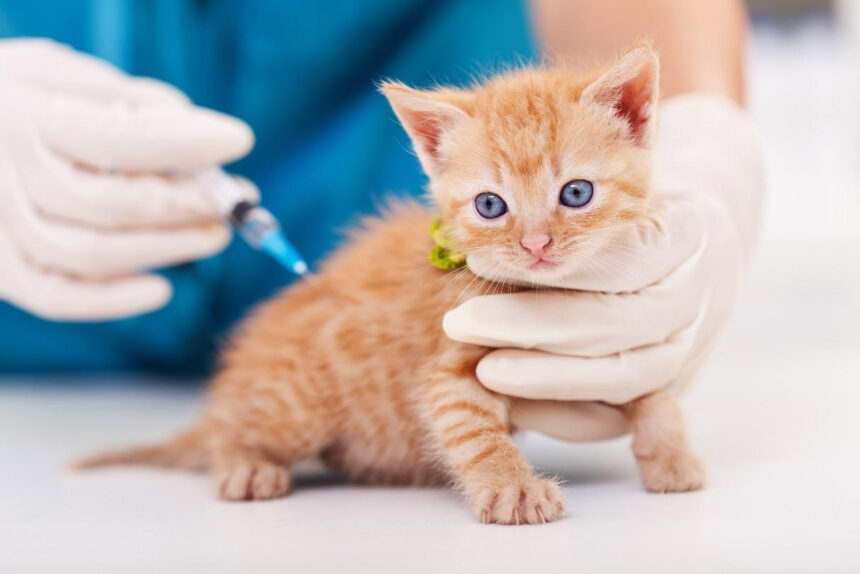
1. Vaccination: Vaccination is the safest and most effective way to protect your cat. The panleukopenia vaccine is included in the “feline distemper” (FVRCP) shot, which also protects against calicivirus and feline herpesvirus.
- Kittens: Should receive their first vaccine between 6 and 8 weeks of age, followed by boosters every 3-4 weeks until they are at least 16-20 weeks old. This is crucial to overcome the immunity passed from their mother, which can interfere with the vaccine’s effectiveness.
- Adult Cats: If an adult cat has not been vaccinated, it will need one or two initial doses. Afterward, a booster is recommended after one year, and then, depending on the vaccine type and veterinary advice, every 1 to 3 years.
2. Hygiene and Disinfection:
- If you have been in contact with other cats, wash your hands thoroughly before touching your own.
- The virus is resistant to many common disinfectants. To eliminate it from surfaces, a diluted bleach solution (one part bleach to 32 parts water) is recommended, left to sit for 10 minutes.
- Keep your cat’s litter boxes, food dishes, and beds clean.
3. Isolation: If you bring a new cat or kitten into your home, keep it separated from your other pets for at least two weeks and take it to the veterinarian for a checkup to ensure its vaccinations are up to date.
How Is Panleukopenia Treated?
There is no specific cure for the virus itself. Treatment is supportive and intensive, focused on helping the cat’s immune system fight the infection and manage severe symptoms until the body can recover. Treatment almost always requires hospitalization.
The main lines of treatment include:
- Intravenous Fluid Therapy: This is the cornerstone of treatment. It corrects severe dehydration, replenishes electrolytes (such as potassium), and maintains blood pressure.
- Antibiotics: Administered to combat secondary bacterial infections that arise due to the cat’s weakened immune system.
- Antiemetics: Medications to control vomiting, relieve nausea, and prevent further dehydration.
- Nutritional Support: Once vomiting is under control, a bland, easily digestible diet is introduced, sometimes through a feeding tube if the cat will not eat on its own.
- Pain Management: Pain relievers may be given to alleviate abdominal discomfort.
- Transfusions: In very severe cases with extreme anemia or protein loss, a blood or plasma transfusion may be necessary.
The prognosis for cats with panleukopenia is guarded, and the mortality rate is high, especially in kittens. However, with aggressive and early veterinary treatment, many cats can survive.
If you suspect your cat may have panleukopenia, it is crucial to take it to a veterinarian immediately. Early intervention makes a significant difference in the chances of recovery.
If you have questions about your pet’s well-being, please email:
DrBorrego@petsvet.com
Dr. Enrique Borrego is the medical director of Animal General Hospital, located at 501 SW Port Saint Lucie Boulevard, Port St. Lucie, FL 34953 • Phone 772-344-8835 • www.petsvet.com • Serving our Treasure Coast community since 1990