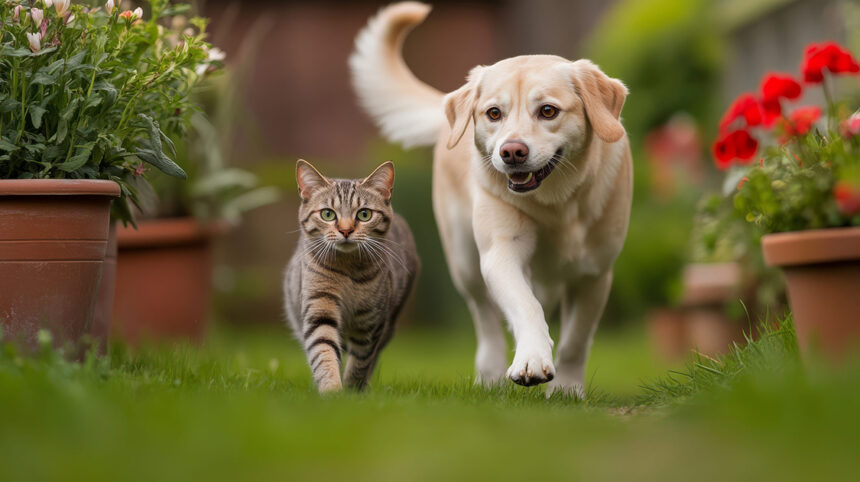
Physical activity for pets is the cornerstone for preventing costly illnesses and, above all, ensuring they stay by our side for many more years.
Did you know that a sedentary lifestyle can shorten your dog’s life by years?

Discover how to keep your pet in shape with tailored routines and pro tips.
In the daily hustle of our lives in the United States, between work and responsibilities, we sometimes forget that the most loyal member of the household also needs to “hit the gym.”
It’s not just about letting them “do their business” outside; physical activity for pets is the cornerstone for preventing costly illnesses and, above all, ensuring they stay by our side for many more years.
The immediate answer: How much exercise does my pet really need?
There’s no one-size-fits-all rule, but veterinary consensus suggests that most dogs need between 30 and 60 minutes of daily physical activity, while cats require at least three intense play sessions of 5 to 10 minutes. Intensity will always depend on breed, age, and current health status.

The silent danger of the “Sofa Potato” dog
Obesity in pets is an epidemic in the U.S. It’s estimated that more than 56% of dogs in this country are overweight. This isn’t just an aesthetic issue; an overweight dog faces a drastically higher risk of:
- Osteoarthritis: Extra weight destroys joints.
- Type 2 diabetes: Especially common in sedentary cats.
- Heart disease: The heart has to work twice as hard to move that body.
“A tired dog is a happy dog… and an owner with fewer vet bills is a relaxed owner.” — Editorial Board of El Hispano.
Strategies based on the type of “athlete”
You wouldn’t ask a grandparent to run a marathon, and the same applies to your pets. Here’s a comparative table to guide you:
Training Plan by Profile
| Type of Pet | Recommended Activity | Ideal Duration | Why? |
| High-Energy Breeds (Border Collie, Husky) | Running, agility, Frisbee. | 1.5 to 2 hours. | Avoids destructive behaviors at home. |
| Brachycephalic Breeds (Pug, Bulldog) | Gentle walks during cool hours. | 20-30 min. | High risk of heatstroke. |
| Indoor Cats | Laser pointers, feather wands, cat trees. | 15 min (divided). | Stimulates their hunting instinct and prevents obesity. |
| Senior Pets | Slow walks, swimming (hydrotherapy). | 15-20 min. | Maintains mobility without joint impact. |
Tips for Florida: Climate is the X factor
Living in places like Port St. Lucie or Miami, the heat can be a deadly enemy.

- The 5-second test: Touch the asphalt with the back of your hand. If you can’t stand it for 5 seconds, it’s too hot for your dog’s paws.
- Constant hydration: If you’re thirsty, your dog is already dehydrated. Always bring water.
- Smart scheduling: Exercise before 8:00 AM or after 7:00 PM.
What if I don’t have time to go out? (Mental Activity)
Here’s the interesting part: mental exercise is just as tiring as physical exercise. Puzzle toys (where they have to get food out) or 10-minute obedience training sessions are excellent for those days of torrential rain or extreme cold we’ve had recently.
Psychological benefits: The end of stress
Does your dog destroy furniture or bark nonstop? They’re most likely lacking activity. Exercise releases endorphins and reduces cortisol (the stress hormone) in both humans and animals. Walking your pet not only gets them in shape, it gets you in shape too and strengthens that unbreakable bond only a pet owner understands.
Image Hospital Veterinario Asturias