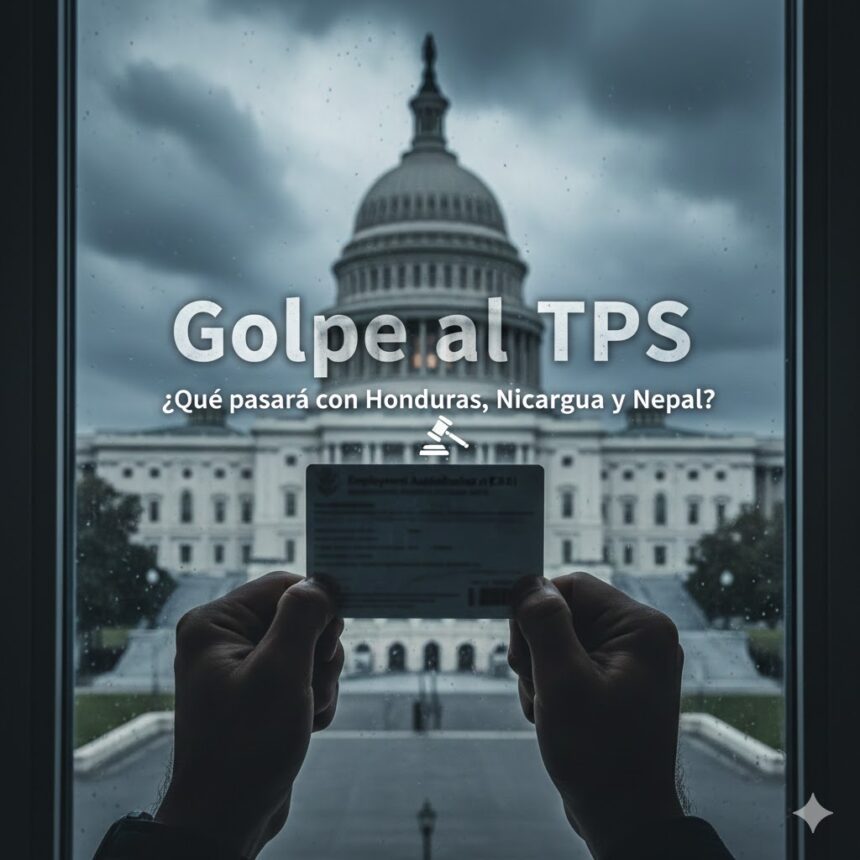
The Sand in the Hourglass Is Running Out: The Truth About the Ninth Circuit Ruling
Peace of mind has been shattered for over 60,000 families. What many feared has come to pass: a three-judge panel of the Ninth Circuit Court of Appeals has decided that the current administration has a clear path to end Temporary Protected Status (TPS) for citizens of Honduras, Nicaragua, and Nepal.
Is this the end of the road? Not necessarily, but the margin for error has been reduced to zero. Secretary of Homeland Security, Kristi Noem, has been clear: for this administration, TPS was never meant to be a permanent solution. And while activists fight in the courts, the reality is that the legal “shield” that protected you from deportation has just taken a direct hit.
Advertisement
Quick Response (Snippet Bait): On February 9, 2026, a federal appeals court lifted the injunction that had blocked the termination of TPS. This means the U.S. government can proceed with ending the status for Honduras, Nicaragua, and Nepal. For now, work permits remain valid until all appeals are exhausted, but the threat of deportation and loss of work authorization is real by the end of this year.
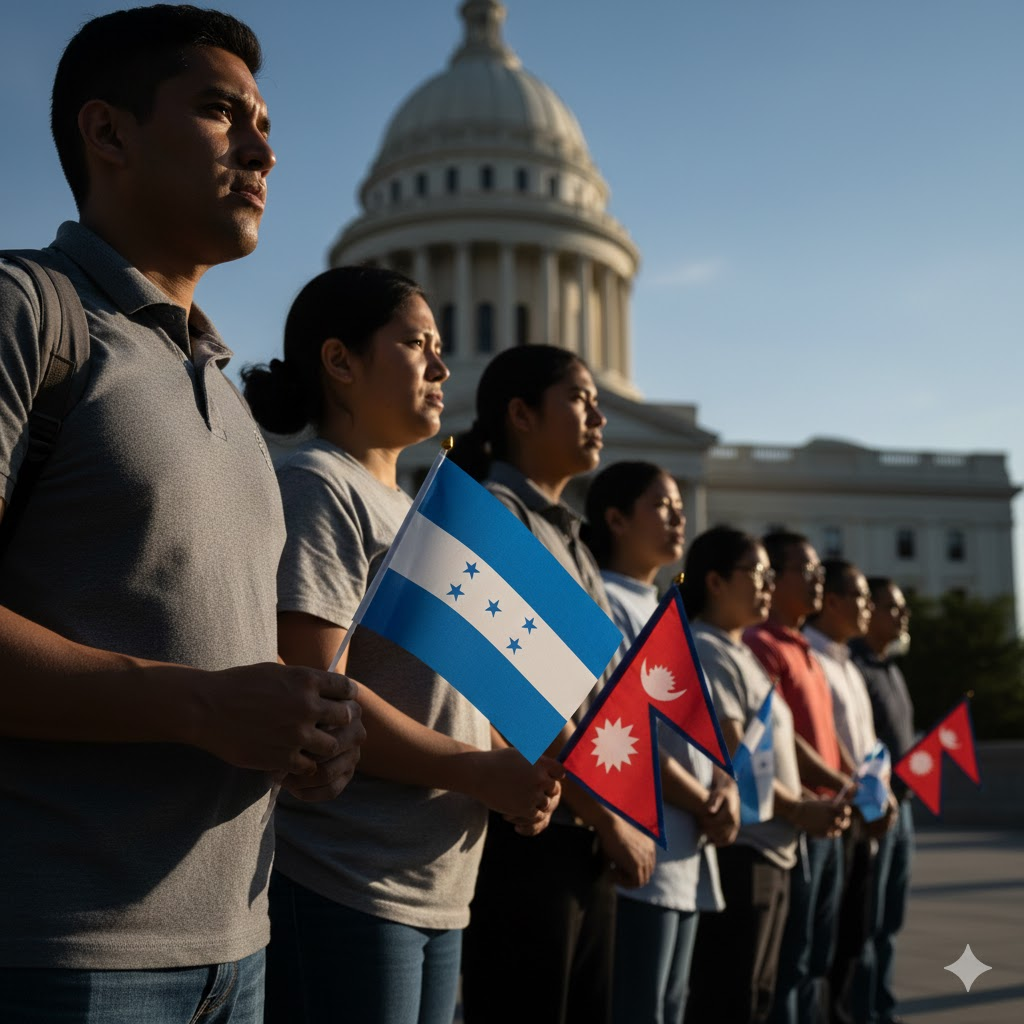
Thousands of Central Americans face uncertainty after the recent court ruling. Credit: ElHispanoParaTodos/PRESS
Why Did the Court Change Its Mind?
The legal battle has been an emotional rollercoaster. In December 2025, Judge Trina Thompson had halted the termination, arguing that the government’s decision was “arbitrary” and had discriminatory undertones. However, the higher court in San Francisco has ruled otherwise.
Key Points of the Ruling:
Executive Discretion: The court determined that the Department of Homeland Security (DHS) has the rational authority to decide whether conditions in Honduras (Hurricane Mitch, 1998) or Nepal (Earthquake, 2015) have improved sufficiently.
Provisional Suspension: This is not a final death sentence for the program but rather permission for the government to move forward with its termination plan while the merits of the case are resolved.
The “Temporary” Argument: The government argues that maintaining these protections for decades distorts the “temporary” nature of humanitarian relief.
Timeline of Impact: How Much Time Is Left?
This is where the community must pay close attention. Termination does not happen overnight. Historically, a transition period is granted.
Country
Origin of TPS
Estimated Beneficiaries
Current Status
Honduras
Hurricane Mitch (1998)
51,000+
In process of termination
Nicaragua
Hurricane Mitch (1998)
3,000+
In process of termination
Nepal
Earthquake (2015)
7,000+
In process of termination
Important Note: If you have TPS from El Salvador, though not mentioned in this specific ruling, your case is often tied to the same legal logic (Case Ramos v. Nielsen / NTPSA v. Noem). Stay alert.
5 Critical Steps You Must Take TODAY
If you are a beneficiary, do not sit and wait. Paralysis is the worst enemy in immigration.
Advertisement
Verify Your EAD (Work Permit): Although the ruling is negative, your current permit remains valid according to the latest extension published in the Federal Register. Do not discard it or stop working.
Check the “Adjustment Act”: If you have been here for decades, you likely have U.S. citizen children over 21 or citizen spouses. You may qualify for a status adjustment without leaving the country if you had a legal entry or Advance Parole.
Background Audit: The government has emphasized that it will prioritize deportation for those with criminal records. Make sure your record is clean or check if you can “clear” minor offenses.
Explore U or T Visas: If you have been a victim of a crime in the U.S. and assisted the police, you may have a pathway to a Green Card independent of TPS.
Join the National TPS Alliance: Political pressure is the only way to achieve legislation in Congress. The legal fight is only part of the battle.
What Are the Affected Countries Saying?
The Foreign Ministry of Honduras has already issued statements lamenting the decision but reminding its people that “the Supreme Court is still an option.” In Nicaragua, the outlook is grimmer due to the internal political situation, which many experts consider “inhumane” for sending people back to a dictatorship.
“This is not just a matter of paperwork; it’s about families who have built their lives here for 20 years. Uprooting them now would create a humanitarian crisis within our own borders.” — Opinion of migrant rights experts.