

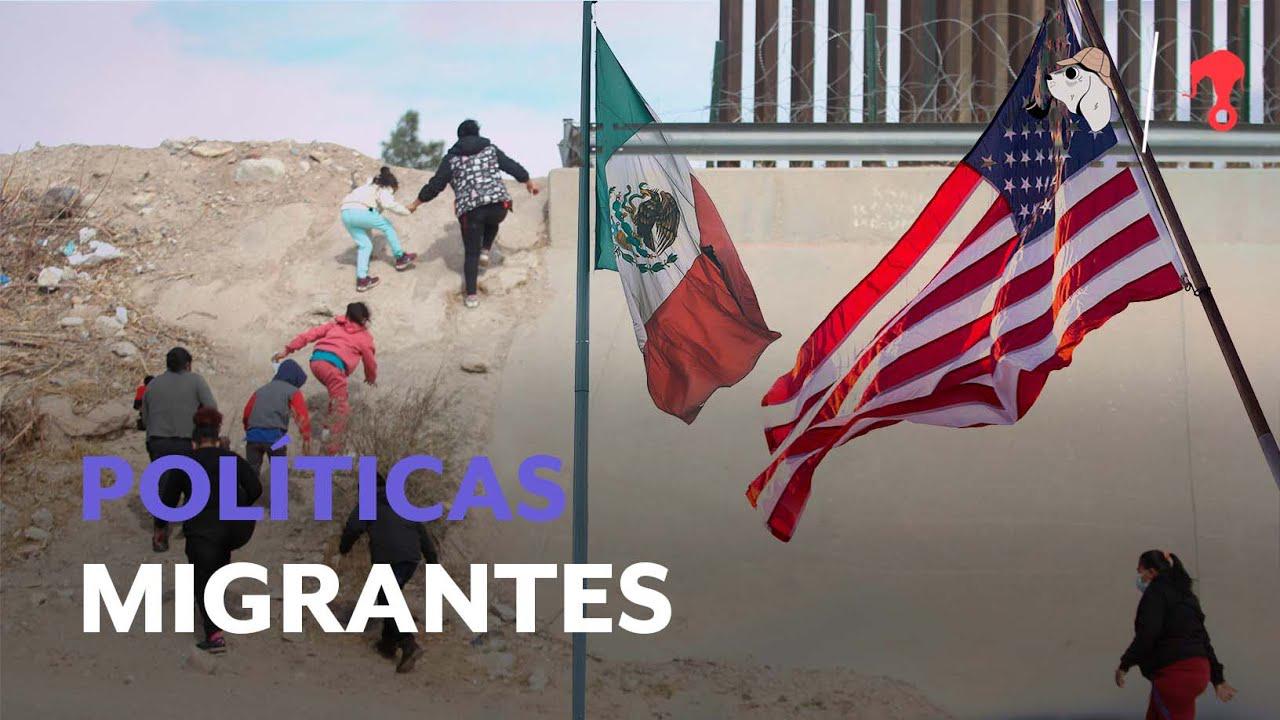
The relationship between immigration policies and the U.S. economy is a topic of significant debate and complexity.
Throughout its history, the United States has been a nation of immigrants, and the immigration policies implemented have had a profound impact on its economic and social development.
U.S. immigration policies have had a deep and complex effect on its economy. Throughout its history, the country has been shaped by migration flows that have significantly contributed to its growth and development.

Positive Impacts of Immigration on the Economy
Workforce: Immigrants often fill jobs in sectors where domestic labor is scarce, such as agriculture, construction, and services. This helps keep production costs low and boosts the economy.
Entrepreneurship: Immigrants are known for their entrepreneurial spirit, creating new businesses and generating employment.
Consumption: Immigrants contribute to economic growth by consuming goods and services.
Innovation: Many immigrants are highly educated and bring new ideas and technologies that can drive innovation.
Remittances: Remittances sent by immigrants to their countries of origin inject money into those economies, which can positively impact trade and investments.
Perceived Negative Impacts
Despite the economic benefits, immigration has also raised concerns:
Job competition: Some argue that immigrants compete for jobs with native workers, which may put downward pressure on wages in certain sectors.
Cost of social services: It has been suggested that immigrants may increase the demand for social services, such as education and healthcare, representing a cost to taxpayers.
Impact on native workers’ wages: Some studies suggest that immigration may reduce wages for certain groups of native workers, particularly those with little education.

Immigration Policies and Their Consequences
U.S. immigration policies have fluctuated over time, and these shifts have had a direct impact on the economy.
Immigration restrictions: Periods of immigration restrictions, such as the quotas established in the 1920s, can limit economic growth by reducing the labor supply.
Amnesty programs: Amnesty programs, which legalize the status of undocumented immigrants, can increase their participation in the formal economy and generate higher tax revenues.
Comprehensive immigration reforms: Reforms that combine border control measures with pathways to legalization can offer a balance between national security and economic growth.

Current Challenges and Future Trends
Today, the United States faces significant immigration challenges, such as an aging population, the need for labor in certain sectors, and the growing diversity of its population.
Future trends:
Aging population: Immigration can help offset the aging population and maintain a sustainable social security system.
Automation: The automation of many jobs could reduce the demand for unskilled labor, which may affect immigrants working in these sectors.
Climate change: Climate change could generate new migration flows, posing additional challenges for immigration policies.
Factors to Consider
When evaluating the impact of immigration policies on the economy, it is important to consider several factors:
Type of immigrant: Highly skilled immigrants tend to have a larger positive impact on the economy than unskilled workers.
State of the economy: The impact of immigration can vary depending on the economic cycle.
Public policies: Complementary public policies, such as education and job training, can help mitigate the negative impacts of immigration.

In conclusion, immigration policies have a significant impact on the U.S. economy. While immigration has been an engine of economic growth, it is necessary to address the challenges associated with immigration in a comprehensive and equitable manner.
Image: Dcuba





