

USPS halts Trump's plans and 2026 rules remain in place
Translated with AI from the original article in Spanish. Leer la noticia original en español
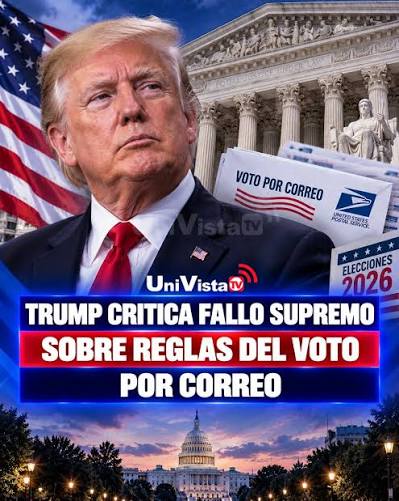
If you are one of the millions of voters who rely on the USPS to cast your ballot with peace of mind from home, you know perfectly well that every election cycle comes with a tidal wave of debates, distrust, and disputes over ballot security. The truth is that, for the working class, younger adults, and families with complex schedules, mail-in voting is not a technical luxury; it is the fundamental tool that guarantees their active participation in American democracy.
However, the recent offensive pushed by the Donald Trump administration to impose drastic federal restrictions, additional filters, and bureaucratic controls on the management of the Postal Service (USPS) has crashed against a solid wall of institutional and judicial containment. The federal directive intended to radically transform how mail-in ballots are handled, transported, and validated, but operational and legal resistance has ensured that the rules in effect for 2026 remain intact. How was this power struggle forged, what exact role did the USPS play, and why does this provisional victory protect your electoral rights? Let's break it down thoroughly.
The pulse of the postal and judicial brake (Snippet Bait): Amid an intense legal and administrative dispute, the Postal Service (USPS) and federal courts halted the Trump administration's directives aimed at restricting mail-in voting, ensuring that the traditional 2026 electoral rules and deadlines will remain in effect. The refusal to implement improvised federal filters avoids logistical collapse and protects the right to vote for millions of voters across the country.
What did Trump want to change?
The measure originated in an executive order signed by Trump on March 31, 2026. The document ordered the USPS to initiate a process to establish new requirements for ballots sent by mail.
Among other things, it contemplated the use of unique barcodes on envelopes and the creation of state lists of people authorized to receive ballots by mail. The goal stated by the White House was to strengthen citizenship verification and election security.
The anatomy of the conflict: Why did mail-in voting become the epicenter of the dispute?
To understand the magnitude of this confrontation, it is necessary to analyze the technical and political background surrounding the postal delivery system during elections in the United States.
1. The attempt to transform the USPS into an electoral arbiter
The White House proposal sought to force the Postal Service to implement a cross-verification system with federal databases before delivering or processing electoral ballots sent by citizens.
- Overreach of functions: Constitutional law specialists and postal unions warned immediately that the USPS is a logistics and mail delivery service agency, not an electoral arbitration or control body. Assigning it the task of filtering ballots under political criteria would have paralyzed the national postal chain.
- The uncomfortable truth: States are the only ones empowered by the Constitution to administer elections. Pretending to impose a last-minute centralized federal control sought, in practice, to hinder access to mail-in voting in key districts, generating an effect of voter suppression.
2. The institutional response and the maintenance of operational order
Faced with cross-pressure from lawsuits filed by attorneys general from various states and civil rights organizations, the judicial system and the internal structure of the USPS itself halted the implementation of the changes.
- Certainty for local election officials: Maintaining the 2026 rules means that counties and state election boards can continue operating with the same proven protocols for signature verification, envelope traceability, and reception in secure drop boxes, avoiding administrative chaos.
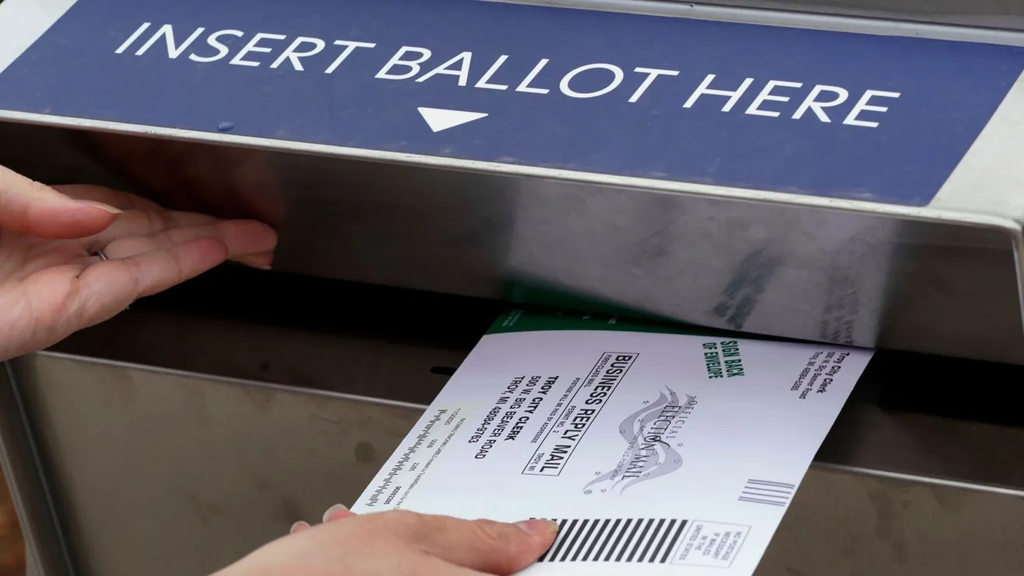
Table: X-ray of the electoral pulse — The federal plan versus the maintenance of rules
To visualize precisely what was avoided with this institutional brake, we contrast the scenarios:
| Analysis Axis | Plan Intended by the Administration | Current Reality (2026 Rules) |
| USPS Role | Eligibility filter and federal validation of mail-in ballots. | Neutral logistics operation focused on fast and secure mail delivery. |
| Electoral Regulations | Modification by executive decree of deadlines and envelope requirements. | Full validity of traditional state laws and deadlines established for 2026. |
| Impact on the Voter | Mass confusion, possible arbitrary rejections, and logistical delays. | Stability, operational confidence, and protection of suffrage rights. |
Practical guide: How to ensure your mail-in vote is counted in 2026?
Although traditional rules remain in effect thanks to this institutional brake, voters must adopt a proactive role to ensure the success of their civic participation. Follow these foolproof steps:
1. Confirm your data on your county's electoral portal: Verify your registration and updated mailing address.
Elections are organized strictly at the local level. Log in ahead of time to the official website of your state or county election supervisor to corroborate that your current mailing address matches exactly with voter registration records.
2. Do not leave mailing for the last minute: Request and return your mail-in ballot following the deadlines.
As soon as election offices open the request period, ask for your mail-in ballot. Upon receiving it, complete it by rigorously following the signature and date instructions, and preferably use official secure drop boxes or send it by mail at least 10 days before the official deadline.
3. Where to get objective information about electoral processes: Consult official sources and avoid falling for misinformation.
Political disputes surrounding voting will continue to generate alarmist headlines. To verify what is myth and what is reality regarding procedures in your locality, consult direct notices from the U.S. Election Assistance Commission or coverage from the Associated Press.
The truth is that the strength of a democracy is measured by its ability to protect the fundamental right to vote against situational pressures. For our Hispanic community, maintaining clear and stable rules is the key to ensuring that every voice is heard at the polls.
For now, this means that states will be able to continue using their current procedures for mail-in voting during the November 3 midterm elections.
Image: ElHispanoParaTodos/PRESS