

Salario mínimo a $15 y nuevas leyes: Así cambia el bolsillo en Florida este octubre
Translated with AI from the original article in Spanish. Leer la noticia original en español

If you work full-time in Florida and feel like your paychecks evaporate before the month ends in the face of runaway rent and grocery hikes, the truth is that official numbers have reflected an unsustainable financial suffocation for years. Living in the sun paradise stopped being an accessible economic dream and turned into a daily test of endurance where working-class wages barely managed to stay afloat against inflation.
This is where the most anticipated and debated economic milestone of recent years comes into play: the gradual escalation of the minimum wage to reach the coveted $15-per-hour goal, combined with the simultaneous activation of a package of state regulations that alter everything from traffic rules to tenant rights. But watch out, because in the real economy, doubling or raising minimums by legal mandate never comes without side effects on prices and hiring. How will this raise be applied, which sectors will feel the highest impact, and what other laws come into play this October? Let's break it down thoroughly.
El pulso del ajuste salarial (Snippet Bait): El salario mínimo en Florida alcanzará formalmente la marca de los 15 dólares por hora, cumpliendo con la enmienda constitucional aprobada por los votantes. Este incremento histórico, que entra en vigor de forma escalonada junto a un nuevo paquete de leyes estatales en octubre, busca aliviar la presión inflacionaria sobre los trabajadores, aunque plantea profundos retos de adaptación para los pequeños negocios y la estabilidad de los precios minoristas.
El incremento salarial entrará en vigor el 30 de septiembre de 2026; al día siguiente comenzarán a regir medidas sobre alquileres, tránsito, seguridad y controles administrativos.
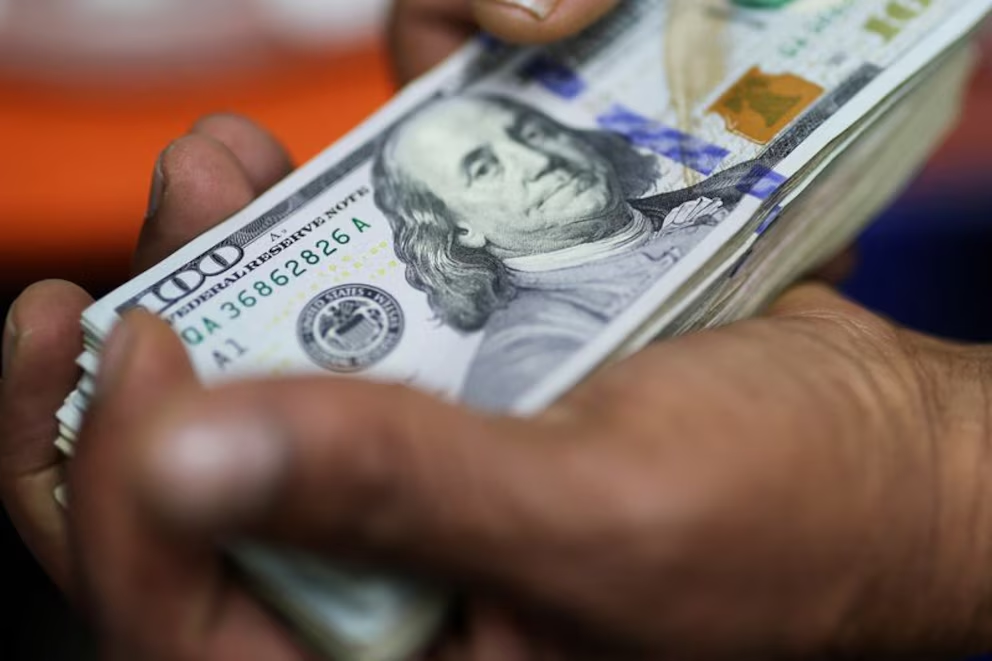
The Anatomy of the Wage Increase: How Did We Get to $15 and Who Benefits?
To understand the background of this economic measure, we must remember that the hike is not a sudden legislative whim, but rather the result of a constitutional mandate overwhelmingly backed at the ballot box by Florida citizens.
1. The Progressive Escalation Against Inflationary Reality
For years, Florida kept a stagnant minimum wage well below the real needs of a family in metropolitan areas as costly as Miami, Orlando, Tampa, or West Palm Beach.
- The amendment's design: The approved schedule established annual increases of one dollar per hour until reaching the $15 threshold. However, the economic irony lies in the fact that by the time the monetary goal finally materializes, the cost of living—driven by housing and insurance prices—has raised the poverty line even faster.
- The uncomfortable truth: Small business owners, especially in the hospitality, services, and independent retail sectors, warn that absorbing this increase in their payrolls without raising their product prices for the public is a practically impossible mission. Many face the dilemma of automating processes, cutting hours, or passing the cost on to the consumer.
2. The Impact on Tipped Employees
A crucial aspect of the wage adjustment in Florida is the way it affects waiters, servers, and service sector workers who depend on tips.
- The direct base wage: With the new structure, the base wage that employers are required to pay tipped workers also experiences a proportional increase, ensuring that the total received always meets the new established legal minimum.
- The fiscal and labor challenge: For the Hispanic workforce, which makes up a massive percentage of the service industry in South Florida, this adjustment represents a direct relief to their fixed income, although it demands greater rigor in tax reporting and the internal accounting of establishments.
Table: Radiography of the Wage Adjustment — The Impact by Productive Sector
To precisely visualize how the effects of this new economic reality are distributed, we contrast the key sectors:
| Economic Sector | Impact of the $15 Minimum Wage | Main Challenge or Opportunity |
| Hospitality and Restaurants | Massive increase in payroll and staff costs. | Risk of menu price adjustments and reduction of operational staff. |
| Retail | Direct competition to retain talent against large chains. | Greater stability in retaining customer service employees. |
| Small Businesses (SMEs) | Extreme financial pressure on initial working capital. | Need to optimize productivity per hour worked. |
Practical Guide: How to Prepare for the New Wage Reality and October's Laws
Whether you are an employee, an independent worker, or a small business owner in Florida, the entry into force of these changes requires rigorous financial planning. Follow these foolproof steps:
1. Make sure your employer complies with the new minimum: Check your pay stubs starting from the application date.
If you work under an hourly wage scheme, carefully review your pay stubs issued after the measure takes effect. Confirm that the hourly rate reflected exactly meets the new mandatory $15. In case of discrepancies, contact the human resources department or seek labor counseling.
2. Anticipate price increases in local services and businesses: Adjust your family budget against the inflationary movement.
Given that businesses will absorb the payroll increase by raising their rates, expect a generalized rise in local services, restaurants, and consumer goods. Review your monthly expenses and prioritize emergency savings to cushion the impact.
3. Where to get objective information about labor regulations: Consult official sources and consult with accredited professionals.
To avoid falling into confusion about which industries are exempt or how tips are calculated under state law, go directly to the official portals of the Florida Department of Economic Opportunity or consult news updates on Associated Press.
Among the rules that will indeed take effect is HB 1293, which creates the crime of fraudulent entry into a residence. The legislation contemplates penalties for those who take possession of a home through false identities, adulterated financial statements, or the deliberate impersonation of another person.
The conduct will be considered a third-degree felony. Likewise, the owner will be able to issue a notice for the occupant to vacate the unit in seven days. However, the law requires that fraudulent intent exist and does not enable an immediate physical eviction without the corresponding judicial procedure, the outlet specified.
Accidents Without Injuries Must Be Reported Starting at USD 2,000 in Damages
 Florida raises the property damage threshold from $500 to $2,000 to immediately report traffic accidents without injuries (Illustrative Image Infobae)
SB 488 modifies several traffic and vehicle rules. One of the provisions raises the material damage threshold from USD 500 to USD 2,000, starting from which an accident must be immediately reported to the authorities.
Crashes that leave people injured or deceased will remain subject to the duty to report regardless of the value of the damages, the outlet clarified. The rule will also require valid identification under REAL ID standards or a current U.S. passport to request vehicle records individually.
Those who use a foreign passport must also present a current Form I-94. Florida residents who are on active military service will be exempted from maintaining a permanent domicile within the state, as the measure establishes.
The legislation will also allow decorative license plate frames as long as they do not cover the number or the validation sticker. On the other hand, the Department of Highway Safety and Motor Vehicles will be able to send certain notices by email, while those addresses will be protected from public disclosure until a review scheduled for 2031.
New Penalties Reach No-Contact Orders, Drugs, and Animal Abuse
HB 397 typifies the deliberate breach of a no-contact order, imposed as a condition of pretrial release after an arrest for a violent crime. The first offense will be a first-degree misdemeanor, and repeat offenses can lead to a third-degree felony.
With probable cause, the police will be able to arrest the accused person without an arrest warrant. The person will remain detained until their first appearance, an instance in which a judge must prioritize the safety of the victim and the public when deciding on bail or preventive detention, the outlet indicated.
Another rule toughens penalties for trafficking xylazine, a veterinary tranquilizer that has been detected in illicit drug mixtures. The sale, manufacture, or possession with intent to distribute certain presentations can be punished as a first-degree felony, with minimum penalties varying according to the amount involved.
HB 559, in turn, will penalize adults who induce minors to commit aggravated animal cruelty, fights, or sexual acts with animals. The rule mandates psychological evaluations for minors involved in animal abuse cases and provides for the creation of a public database managed by the Florida Department of Law Enforcement.
In Broward, HB 4039 will require an independent study before approving a physical expansion of the Monarch Hill landfill. The analysis must evaluate potential environmental, health, and community effects, in addition to including a public hearing near the site.
The truth is that no macroeconomic change happens in a vacuum. For our Hispanic community in Florida, understanding how the minimum wage and new state regulations interact is fundamental to making better financial decisions and protecting family well-being.
Image: ElHispanoParaTodos/PRESS