

New 2026 Energy Efficiency Standards: What Changes and How They Affect Your Wallet
Translated with AI from the original article in Spanish. Leer la noticia original en español
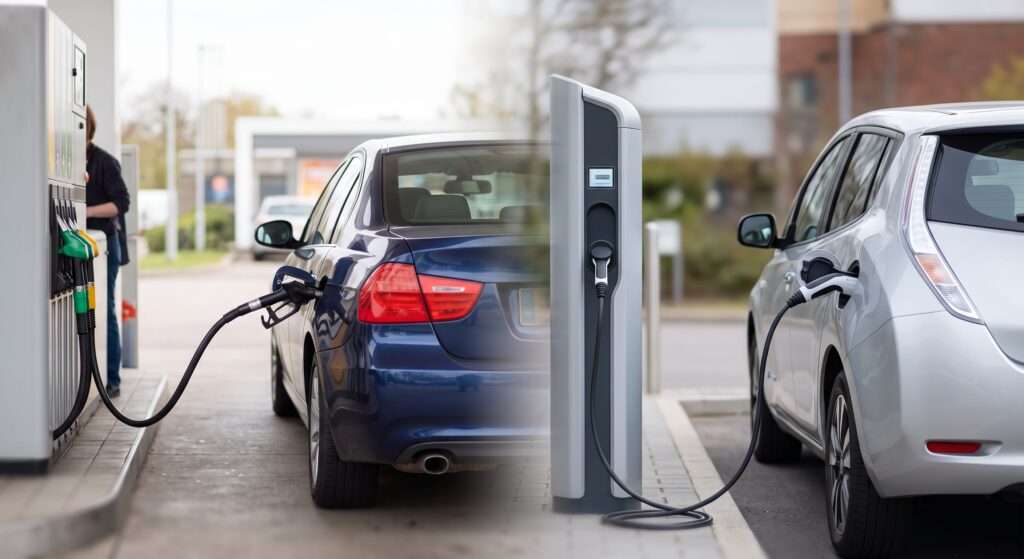
Discover what the drastic reduction in fuel economy standards approved by the Department of Transportation entails, its pros, cons, and economic impact.
The United States Department of Transportation has formalized a drastic reduction in fuel efficiency standards for vehicles, officially reversing the climate requirements established by the Joe Biden administration.
The new regulation sets the fleet average requirement at 34.9 miles per gallon (mpg) for model year 2031, an unprecedented drop from the previous target of 50.4 mpg.
This initiative eliminates the regulatory mandate that accelerated the transition to electric vehicles, canceling penalties and returning full flexibility to automakers to prioritize mass production of traditional internal combustion engine vehicles.
Impact on the Consumer's Wallet
The relaxation of these standards presents a dual financial scenario for drivers:
- Reduction in initial purchase price: By eliminating pressures to develop costly technologies and scrapping the regulatory credits program, the government projects an estimated direct savings of $1,300 on average for consumers when purchasing a new vehicle at the dealership.
- Increase in long-term fuel spending: Since new vehicles on the market will require lower fuel economy (34.9 mpg maximum versus the more than 50 mpg that were planned), drivers will have to visit gas stations more frequently. This increases the car's weekly operating costs over its entire useful life, diluting the initial savings.
Benefits and Drawbacks of the Initiative
Benefits (Pros)
- Lower entry prices: They ease the economic burden on the final consumer at the time of purchase of midsize and family gasoline vehicles, in a market where car prices have experienced inflationary peaks.
- Boost to traditional manufacturing: The initiative comes with an environment conducive to investment in gasoline automotive plants, which projects to secure and create direct jobs in historic industrial corridors such as Michigan, Ohio, Indiana, and South Carolina.
- Commercial neutrality: It ends what authorities called artificial incentives that forced the purchase of electric vehicles, allowing strictly natural market demand to dictate production volumes.
Drawbacks (Cons)
- Environmental setback: The measure represents a significant retreat from U.S. climate goals, guaranteeing a drastic and sustained increase in greenhouse gas emissions from the country's largest source of pollution: transportation.
- Economic dependence on crude oil: By promoting a much less efficient vehicle fleet, American family budgets are left more exposed to international shocks and global gasoline price volatility.
- Long-term competitive risk: While markets like Europe and Asia aggressively accelerate their electric mobility policies, halting innovation incentives in the U.S. threatens to leave the national automotive industry technologically behind in the coming decades.