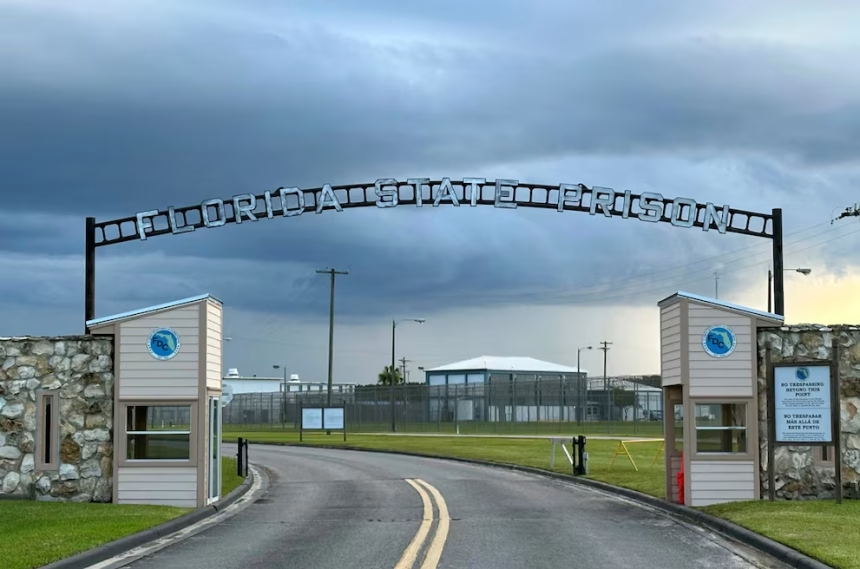
If you follow criminal justice policy in the United States closely, you may have noticed that the landscape of the death penalty has shifted dramatically over the past two years. While much of the country debates abolition or imposes indefinite moratoriums, Florida has decided to pick up the pace. The scheduled execution of inmate William Francis Silvia, the 13th this year, is not an isolated event; it is the final gear in a state strategy aimed at clearing “death row” at a speed not seen in decades.
The truth is, for the Ron DeSantis administration, the application of the death penalty has become a cornerstone of its “law and order” policy. But at what operational and ethical cost? With 19 executions in 2025 (a modern historical record for the state) and a trajectory aimed at surpassing that figure in 2026, Florida has left traditionally punitive states like Texas or Alabama behind. Let’s get to the point.

The Pulse of Capital Punishment (Snippet Bait): Florida has solidified its position as the state with the highest number of executions in the United States, tallying 13 cases so far in 2026 and accounting for more than half of the 22 total executions nationwide. With two more processes scheduled for September, the state is on track to break its own modern record set just last year, under a state policy of judicial speed in long-standing cases.
The Anatomy of the Record: Why Does Florida Execute More Than Anyone Else?
To understand why the Sunshine State is now the undisputed leader in applying the death penalty, we must look beyond political ideology and examine the procedural machinery the state has designed.
1. The Strategy to “Unclog” Death Row
The Florida Department of Corrections (FDC) has received clear instructions: process cases that have been on appeal for decades.
- Long-standing cases: Most of those executed in 2026 are not recent criminals. They are individuals whose crimes date back to the 1970s, 1980s, and 1990s. The state has managed to navigate the bureaucratic mazes that kept these cases in legal limbo, signing death warrants with aggressive frequency.
- Logistical efficiency: In July 2026, Florida executed two inmates on the same day, becoming the first state in nearly a decade to carry out a “double execution.” This sends a clear message of operational capacity: the state has the will and resources to execute sentences without delay.
2. The National Contrast: Florida vs. the Rest of the Union
While Florida accelerates, the rest of the nation is hitting the brakes or remaining silent.
- The exception to the rule: Historically, Texas was the state that led executions in the U.S. However, in the 2025-2026 cycle, Florida has far surpassed the numbers of Texas, Alabama, and Oklahoma, states that traditionally shared the top spots in statistics from the Death Penalty Information Center (DPIC).
- Politics or justice? Critics argue that this pace is a political marketing tool for Governor DeSantis. Supporters contend it is simply the belated fulfillment of justice for victims who have waited decades for closure.
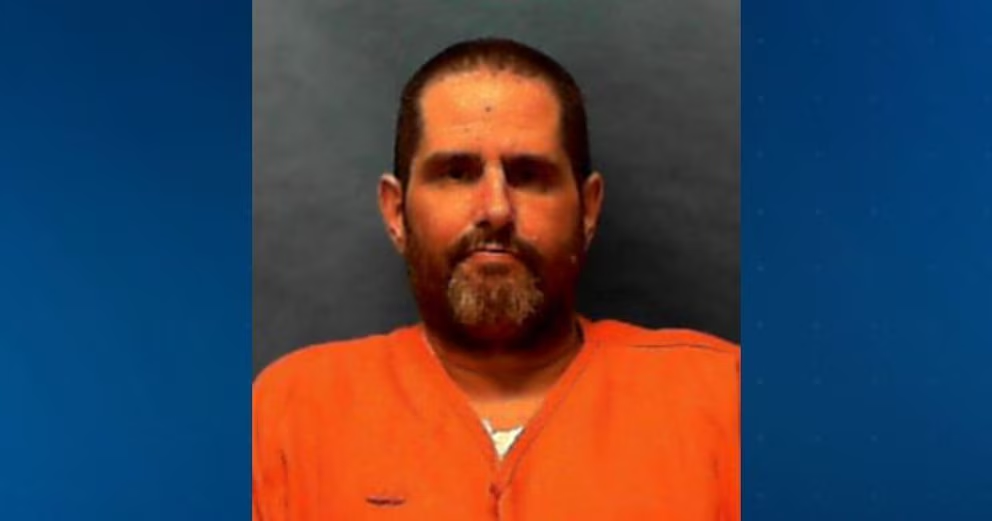
Table: Comparative Executions in the U.S. (2026)
To visualize how Florida compares to other punitive states this year, we present consolidated data as of mid-August 2026.

| State | Executions in 2026 (as of August 18) | State Trend |
| Florida | 13 | Very High (Accelerated) |
| Texas | 4 | Moderate |
| Oklahoma | 2 | Stable |
| Alabama | 2 | Stable |
| Arizona | 1 | Low |
| NATIONAL TOTAL | 22 | Concentrated in 4 states |
(Note: Data based on reports from the Death Penalty Information Center and local media).
Practical Guide: How Is a Capital Punishment Case Handled in Florida?
The process that leads an inmate to the execution chamber in Florida is a tortuous legal path that lasts, on average, more than 20 years. Understanding it is key to grasping the current controversy.
1. Trial and Sentencing:The Two-Phase System.
It all begins with a trial where the jury must unanimously recommend (following recent legislative changes) the death penalty. If the jury is not unanimous, the judge cannot impose it.

2. Automatic Post-Conviction:The Appeals Labyrinth.
Every death sentence in Florida automatically triggers an appeal to the State Supreme Court. Subsequently, inmates begin decades of “post-conviction” motions alleging new evidence, trial errors, or ineffective defense. It is here that the state of Florida has decided to be stricter, limiting delays.
3. The Governor’s Authority:Signing the Order.
When all state and federal appeals are exhausted, the case lands on the Governor’s desk. The signing of the “Death Warrant” starts a countdown of approximately 3 to 6 weeks before the final date, at which point the prison system prepares the lethal injection protocol.
The truth is that Florida has redefined what it means to be a “pro-death penalty” state in the 21st century. Whether seen as an act of necessary justice or a measure of systemic cruelty, the fact is that the state has set a precedent that others may attempt to follow. For our community, this reality underscores the critical importance of understanding how the judicial system works in the state where we reside, as its decisions touch the very limits of life and public ethics.
Image: ElHispanoParaTodos/PRESS