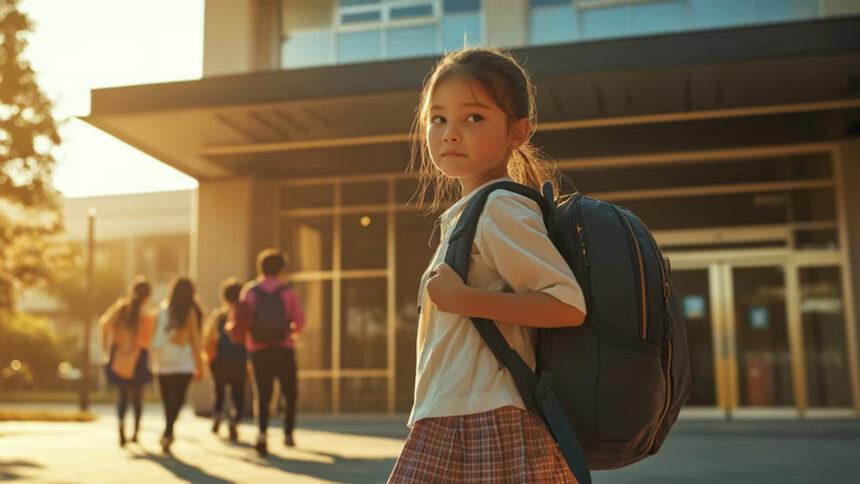
Florida Governor Ron DeSantis signed a series of laws in May 2025 that modify various aspects of the state’s education system. Among the key changes is the elimination of a 2023 mandate that required middle and high schools to delay their start times. The new provisions allow school districts to set their own schedules without state-imposed restrictions.
The repeal of the previous law was formalized through SB 296, which was unanimously approved by the Florida Senate and House of Representatives. According to the official record of the state Senate, the bill was presented to the governor for signature on May 15 and ratified on May 21, 2025. The law grants districts autonomy to organize their class schedules, revoking the requirement to start classes no earlier than 8:00 a.m. in middle schools and 8:30 a.m. in high schools.

In addition to SB 296, DeSantis signed six other education-related laws. These include updates on school safety, participation of homeschooled students in public school sports, notification protocols in cases of teacher arrests, walkability conditions to schools, requirements for school social workers, and criteria for evaluating recovery programs for students who dropped out.
What does the new SB 296 law establish about school start times?
Law SB 296 repeals the 2023 statute that required Florida high schools to start classes no earlier than 8:30 a.m. and middle schools no earlier than 8:00 a.m. This rule, promoted under the argument of improving student rest, faced criticism from some school districts due to logistical and budgetary challenges.
According to the legislative history available on flsenate.gov, the bill was approved by both state chambers without opposition and sent to Governor DeSantis, who signed it on May 21, 2025. With the new law in effect, school districts regain full authority to decide their start times.
The Florida Governor’s Office stated on its official website (flgov.com) that this reform aims to facilitate local management of school schedules and address specific community needs without imposing a single statewide standard.

What other education laws did DeSantis sign in May 2025?
In addition to SB 296, Governor DeSantis signed the following education laws:
- SB 1470: Introduces the seventh update to school safety protocols since the 2018 shooting at Marjory Stoneman Douglas High School in Parkland. The law’s text, available on the state Senate portal, establishes new measures for staff training and emergency management in schools.
- SB 248: Authorizes the participation of homeschooled students in public school sports. This law ensures these students can compete under the same requirements as those formally enrolled in the public system.
- SB 1374: Establishes the obligation for schools to notify families in cases of teacher or staff arrests, regardless of the type of crime or whether it is related to their school duties.
- HB 85: Expands the legal definition of “dangerous walking conditions” to school. The reform allows more students to qualify for free transportation provided by the district if they face risks on their daily route. The Florida House of Representatives provides the full text at myfloridahouse.gov.
- HB 809: Modifies the certification criteria for school social workers. The bill introduces new professional training requirements and regular updates.
- SB 1402: Revises the rules for evaluating and monitoring school recovery programs for students who dropped out. The law sets performance indicators and requires districts to submit periodic reports on the effectiveness of these initiatives.
All the mentioned legislation is listed as enacted in the official legislative management system of the Florida Senate and the Governor’s Office.

How does the new legislation affect Florida’s public and private schools?
The implementation of the new laws primarily affects the state’s public schools. However, some provisions may also impact private institutions in areas such as safety and notification. For example, updates in SB 1470 regarding emergency procedures could influence standards that private schools adopt voluntarily or through agreements with local authorities.

Regarding SB 296, the autonomy restored to public school districts allows them to adapt schedules based on each community’s conditions. This could lead to significant time differences between counties, a situation that had been reduced under the 2023 law, now repealed.
The other bills signed, such as HB 809 on social worker certification and HB 85 on walkability, are also aimed at public entities but may serve as a model for practices voluntarily adopted by private schools.
Where can you find the complete texts of Florida’s 2025 education laws?
The complete documents for each law, including official versions, technical summaries, and impact analyses, are available on the portals of the Florida Senate and the Florida House of Representatives. These platforms provide free access to citizens, journalists, and officials interested in reviewing the legislation passed in each session.
The Florida Governor’s Office also publishes press releases confirming the signing of each law and its effective date. Additionally, the official social media accounts of Governor Ron DeSantis contain summarized announcements about the major reforms signed in May 2025.
Image: Infobae